


- 18 September, 2026
- 19
- 0
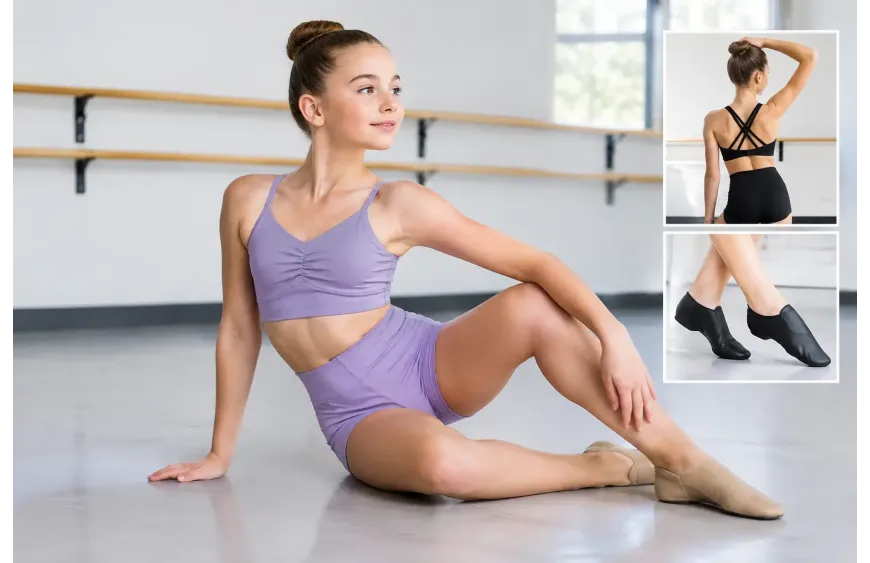
A young dancer can tell quickly when an outfit is working against them. A skirt that catches during a turn, pants that slide at the waist, or shoes with the wrong amount of flexibility can pull focus away from the movement they have worked hard to learn. The most useful youth dancewear trends are not just about appearance. They combine personality with a secure fit, easy movement, and the right level of polish for class, practice, performance, or competition.
For parents, the goal is rarely to buy a whole new wardrobe every season. It is to choose a few dependable pieces that let a dancer feel comfortable, look appropriate for their discipline, and grow in confidence. For youth dancers, especially those moving from recreational classes into showcases or DanceSport events, dancewear often becomes part of how they understand their own progress.
Youth Dancewear Trends Worth Watching
The strongest direction in youth dancewear is purposeful versatility. Dancers and families are choosing pieces that can move between weekly lessons, practice sessions, studio rehearsals, and less formal performances with a simple change of layer or accessory. A fitted black top, comfortable dance pants, a practice skirt, and proper dance shoes can create several outfits without becoming overly costume-like.
Color is still important, particularly for Latin, salsa, bachata, and jazz-inspired practice looks. Bright pink, royal blue, red, emerald, and rich purple give young dancers a chance to express themselves. At the same time, black remains a practical foundation because it coordinates easily, hides the effects of a busy practice session, and usually meets more conservative studio or event expectations.
The best approach depends on where the dancer will wear the item. A vivid bodysuit may be ideal for a class or showcase, while a competition may have specific age-group rules about color, decoration, cut, and embellishment. Families should always confirm the requirements of the studio, organizer, or governing body before selecting a competition outfit.
Practicewear is becoming more polished
Practice clothing no longer has to mean oversized gym clothes. Youth dancers are leaning toward fitted, movement-friendly basics that allow instructors and partners to see posture, leg lines, footwork, and body placement. For girls, that may mean a leotard or bodysuit with a Latin practice skirt, dance leggings, or comfortable shorts. For boys, well-fitting dance pants and a breathable shirt or dance top create a neater, more functional alternative to loose athletic wear.
This does not mean every practice look needs to be formal. A younger beginner may feel much more at ease in soft leggings and a simple top. As training becomes more focused, closer-fitting clothing can be helpful because it gives both the dancer and teacher clearer visual feedback. The right choice should feel supportive, never restrictive.
Layers are part of the outfit
Warm-up wear has become an essential part of youth dancewear, particularly in Canada, where dancers may travel to class or competitions in cooler weather. Zip-up jackets, wrap tops, lightweight sweaters, warm-up pants, and leg warmers help dancers stay comfortable before they are ready to perform.
Layers also give young dancers some control over their routine. They can arrive covered up, warm up comfortably, then remove an outer layer when it is time to practice or take the floor. Look for warm-up pieces that are easy to put on and remove without disturbing hair, makeup, or a carefully styled costume.
Choosing Trend-Led Dancewear Without Sacrificing Fit
A trend is only useful if the garment lets a dancer move correctly. Youth bodies grow quickly, so it can be tempting to size up significantly and hope an item lasts longer. That approach often creates more problems than it solves. Excess fabric can interfere with turns, obscure alignment, and make a dancer feel untidy or self-conscious.
A little growing room is reasonable when the waistband, shoulder straps, and torso still sit securely. Dancewear should stay in place through raised arms, bends, spins, and quick direction changes. It should not pinch at the shoulders, dig into the waist, or require constant pulling and adjusting.
When trying on youth dancewear, check four things:
- The dancer can lift both arms, stretch, and squat comfortably.
- Waistbands and straps stay in place during turns and movement.
- Hems do not catch under shoes or interfere with footwork.
- The fabric is opaque and supportive under normal studio or stage lighting.
These details matter more than a label size. Sizing can vary between styles, and a dancer with a longer torso, fuller hips, narrow shoulders, or a rapidly changing foot size may need a different fit than expected. A proper size chart and knowledgeable fitting guidance are especially helpful when choosing bodysuits, fitted pants, ballroom skirts, and youth dance shoes.
The Right Look Changes by Dance Style
Youth dancewear is not one category. A garment that makes sense for ballet may be impractical for Latin, and a polished ballroom practice outfit will look different from a gymnastics class set.
For ballet, clean lines are usually the priority. A well-fitted leotard, tights, skirt if permitted, and correctly fitted ballet shoes help maintain the traditional, disciplined appearance many studios expect. Decorative details can be fun, but they should not distract from placement or violate dress-code rules.
For Latin and rhythm styles, dancers often need more freedom through the hips and legs. Practice skirts, dance shorts, bodysuits, fitted tops, and flexible pants are popular because they show movement while staying secure. Fringe and sparkle have a place in performance and competition looks, but should be selected with care for the dancer's age category and event rules.
For ballroom, standard, and smooth, youth dancers may need clothing that supports a more refined frame and clear movement across the floor. Dresses and skirts should allow comfortable stride length, while boys' shirts and pants should permit a full frame without pulling across the back or shoulders. A youth dancer preparing for partnered work also benefits from clothing without sharp hardware, loose ties, or bulky details that could inconvenience a partner.
For social dance classes, the need is often simpler: breathable clothing, secure footwear, and an outfit that makes the dancer want to participate. A polished practice outfit can build confidence, but it does not need to look like a competition costume.
Shoes Are Setting the Pace
One of the most meaningful youth dancewear trends is a growing awareness that dance shoes are not merely accessories. Proper shoes affect balance, turns, comfort, and the ability to feel the floor. A dancer who practices in running shoes may find that thick rubber soles grip too much for turns, while everyday shoes may not provide the flexibility or stability needed for their dance style.
For Latin and ballroom youth dancers, a dedicated dance shoe with a secure fit and an appropriate heel height can help them develop correct technique. Younger dancers and beginners often need lower, stable heel options. As skill level, age, and studio expectations change, shoe needs may change too. Heel height should never be chosen only because it looks advanced.
Ballet shoes need a close, comfortable fit that allows the foot to articulate without painful pressure. Gymnastics footwear and bare-foot training needs are different again. The important point is to choose for the discipline, not just for appearance. A shoe that is beautiful but slips at the heel or squeezes the toes is not a good performance shoe.
Because children’s feet grow, it is worth checking fit regularly rather than assuming last season’s shoes are still suitable. Watch for curled toes, rubbing, loose heel counters, worn soles, or a dancer who starts avoiding certain movements. Those small signs often point to a fit issue before it becomes a bigger distraction.
Let Personality Show at the Right Moment
Youth dancers should be able to enjoy their dancewear. A favorite color, a twirl-friendly skirt, a subtle shimmer, or a coordinated hair accessory can make getting ready for class feel special. The key is matching the level of detail to the occasion.
For everyday lessons, durable, washable pieces usually earn their place in the dance bag. For performances, showcases, and competitions, more distinctive garments can help a dancer feel prepared and present. Keeping those roles separate can also extend the life of special costumes and reduce stress when an important event approaches.
At Dancewear Champions, families can find youth options across practicewear, performance apparel, accessories, and discipline-specific shoes, with personal guidance available for dancers who need help narrowing down the right fit. The most successful choice is the one that lets a young dancer stop thinking about their outfit and start enjoying the next count of music.
Related Products
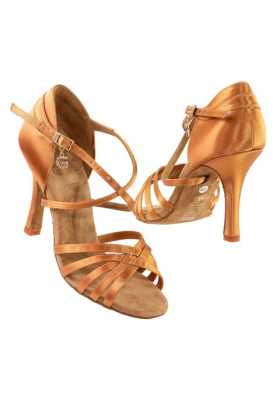
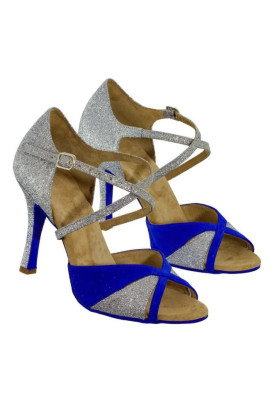
Galex - Emily - Heel - Slim 4-9 cm
$199.75US

Sale
Latin Skirt 11 Frontera Leo
$323.00US $289.00US
Latin Dress 03
$297.50US

Latin Dress 18 Blue
$297.50US

Latin Dress 13 Grey
$212.50US
Latin Dress 60
$339.15US