- 12 September, 2026
- 15
- 0
A slip during a turn can feel alarming, especially when your timing is right and your feet are not. Understanding why dance shoes slip starts with one useful distinction: dance shoes are designed to glide in a controlled way. They should let you pivot, rotate, and travel without your feet sticking to the floor. Uncontrolled sliding, where the shoe shoots out from under you or will not hold a stable step, is a different problem.
For ballroom, Latin, salsa, bachata, and social dancers, traction is never just about the shoe. It is the relationship between the sole, the floor, the condition of the sole, and the movement you are making. A shoe that feels beautifully responsive in a clean studio can feel unpredictable at a community hall, restaurant dance floor, or competition venue.
Why Dance Shoes Slip: The Main Causes
The most common cause is a sole that is too smooth for the floor beneath it. Many ballroom and Latin shoes have suede soles because suede creates balanced friction on a typical wood dance floor. It provides enough grip to push from the standing foot while still allowing pivots and spins. But suede changes with use. It can become packed down, dusty, oily, or worn flat.
A new shoe can also feel slippery at first. Fresh suede often has a compressed surface from storage and shipping. Until the nap is lifted with a proper shoe brush, it may not engage with the floor as consistently as it should. This is normal, but it is worth addressing before a busy practice session or performance.
Floor conditions matter just as much. Dance floors collect dust, spilled drinks, cleaning residue, wax, and traces of oil from street shoes. A polished floor may look ideal but be unexpectedly slick. On the other hand, a floor with too much grip can make turns difficult and place extra twisting pressure on the knees and ankles. The goal is controlled movement, not maximum traction.
Your shoe style may also be the mismatch. A smooth leather sole, a heavily worn suede sole, and a rubber outdoor sole all behave differently. Rubber is useful for walking outside and can suit certain practice needs, but it may grip too aggressively for ballroom turns. A street shoe with a flat, hard sole can slide too easily on one surface and catch abruptly on another. Proper dance shoes are built around the movement demands of a specific dance category.
Check the Sole Before You Blame Your Technique
Before changing your footwork, take a close look at the bottom of your shoes. If the suede appears shiny, hard, flat, or darkened with dirt, it likely needs attention. A sole that no longer has visible texture cannot create the same predictable connection with the floor.
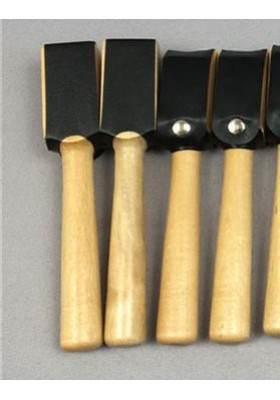
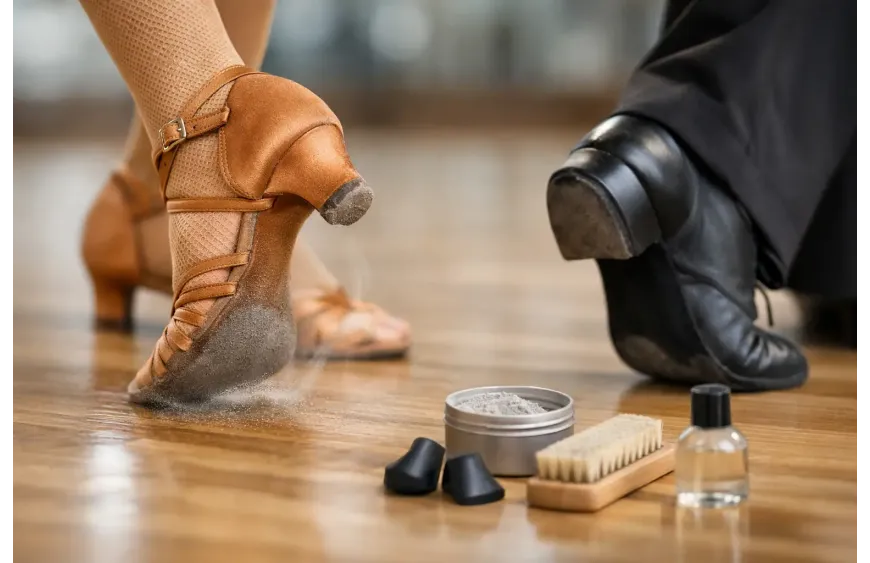
Brush suede soles regularly with a dance shoe brush. Use firm, short strokes across the sole to raise the nap, focusing on the ball of the foot and heel where contact is greatest. Brushing removes embedded dust and restores texture. Do this lightly before practice when needed, rather than waiting until the shoe feels dangerously slick.
Be careful not to overdo it. Aggressive brushing every day can wear down suede faster. If you dance several times a week, inspect the sole often and brush when it looks compressed or contaminated. If the sole is worn very thin or smooth even after brushing, it may need professional resoling or replacement.
Do not wear suede-soled dance shoes outdoors. Pavement, parking lots, wet sidewalks, and grit can quickly damage the sole and carry debris onto the dance floor. Bring your dance shoes in a shoe bag and change once you arrive. This small habit extends shoe life and keeps the floor contact more consistent.
Watch for Product Buildup
Shoe-care products can help in the right situation, but they are not a cure for every slippery floor. Applying adhesive or grip products without identifying the cause can create uneven traction. That is often worse than a shoe that is simply a little slick.
Avoid household cleaners, oils, or improvised treatments on suede soles. They can harden the material, leave residue, or damage the finish of the shoe. If there is obvious sticky residue on the sole, start by brushing it out. For a more serious issue, ask a dance shoe specialist before applying anything to the sole.
The Floor Can Change From Song to Song
Dancers often notice slipping only at certain venues. That is not imagination. A floor’s condition can change throughout the evening as more people walk across it, humidity shifts, drinks are spilled nearby, or cleaning products dry unevenly.
At a social dance, test the floor before you dance full-out. Take a few small weight changes, side steps, and gentle pivots near the edge of the floor. This gives you time to notice whether the surface is slick, sticky, or inconsistent. If one section feels unsafe, adjust your floorcraft and avoid placing major turns there.
If you are preparing for a showcase or competition, bring a shoe brush and inspect your soles before taking the floor. Competition and event floors may be well maintained, but they are still shared by many dancers. A quick check is more useful than discovering a traction problem halfway through a routine.
Technique Can Make a Slip Feel Worse
Even properly fitted dance shoes cannot compensate for every movement habit. Slipping often feels more dramatic when weight is placed too far forward or back, when a dancer rushes a transfer, or when the supporting leg is not stable before rotation begins.
For turns, aim to arrive over the standing foot before asking that foot to pivot. Keep the knee soft rather than locked, and allow the body to rotate as a unit instead of twisting against a planted foot. In Latin and rhythm dances, a sharply placed ball-of-foot action can feel secure on a good floor, but it becomes risky if the surface is dusty or the sole is flattened.
Heel height can contribute too. A higher heel changes your balance point and can make a slick floor feel more demanding, particularly for newer dancers. If you are building confidence, a lower practice heel or a stable social dance shoe may be a better choice than starting with a high, narrow competition heel. The best option depends on your dance style, experience, foot strength, and how often you dance.
Fit Still Matters When Shoes Feel Slippery
A shoe that is too large can create a sensation of slipping even when the sole is fine. If your foot shifts inside the shoe, you lose the secure connection needed for clean weight changes. Loose straps, an unstable heel cup, or extra length at the toe can all make the floor feel less predictable.
Conversely, a shoe that is too tight may prevent your foot from articulating naturally. You may grip with your toes, shorten your stride, or avoid fully transferring weight. That can interfere with balance and make pivots less controlled.
A properly fitted ballroom or Latin shoe should hold the foot securely without painful pressure. The fit should suit the shape of your forefoot, heel, arch, and toes, not simply match your usual street-shoe size. Different brands and shoe categories can fit quite differently, which is why personal fitting guidance is especially valuable for first-time buyers and dancers changing styles.
When It Is Time to Replace or Resole
Soles do not last forever. Frequent dancers may wear through the ball of the foot or heel well before the upper looks tired. Once suede is thin, smooth, or unevenly worn, brushing may offer only a temporary improvement. You may notice that one foot grips differently from the other, or that turns feel inconsistent despite a clean floor.
Consider replacement or resoling when the sole has lost its usable texture, the heel tip is worn down, the shoe no longer supports the foot securely, or the upper has stretched beyond a reliable fit. A worn heel tip is particularly worth addressing promptly because it can affect both balance and the shoe’s stability.
If you are unsure whether the problem is the shoe, the floor, or your fit, bring the shoes to a knowledgeable dancewear retailer for an assessment. At Dancewear Champions, dancers can receive practical guidance on shoe fit, sole condition, and selecting a style suited to ballroom, Latin, social dancing, teaching, or practice.
The most useful habit is simple: treat traction as part of your dance preparation. Keep dance shoes off outdoor surfaces, brush suede when it becomes compressed, test unfamiliar floors, and pay attention to changes in fit. A shoe that gives you the right amount of controlled glide lets you focus less on catching yourself and more on the music, your partner, and the movement you came to enjoy.
Tags shoe bag, shoe brush