- 25 October, 2026
- 23
- 0

The right dance shoe changes more than your outfit. It affects how easily you turn, how secure you feel on the floor, and whether you can finish a long class, social, or competition day comfortably. If you are asking where to buy International Dance Shoes (IDS) in Canada, start with a specialist dancewear retailer that understands the difference between a Latin heel, a ballroom court shoe, and a practice shoe that can handle weekly training.
International Dance Shoes is a well-known choice among dancers because its footwear is designed for the specific demands of ballroom and Latin movement. However, finding the right model matters just as much as finding the right brand. A shoe that looks beautiful but does not match your dance style, foot shape, or level can quickly become a frustrating purchase.
Where to buy International Dance Shoes in Canada
The most dependable place to purchase IDS shoes in Canada is through a dedicated ballroom and Latin dancewear store with knowledgeable fitting support. General shoe stores rarely carry the right heel heights, suede soles, closed-toe standard styles, or flexible Latin constructions that dancers need. They are also less likely to help you compare models based on actual dance use.
Dancewear Champions serves Canadian dancers online and offers personal shopping and shoe-fitting support in Thornhill, Ontario. That combination is useful whether you are ordering your first pair from another province or would prefer to try styles with guidance in the Toronto and GTA area. A specialist retailer can help you narrow the selection before you choose a size, heel, width, or silhouette.
Online ordering can be an excellent option when you already know your preferred IDS style and sizing. Look for clear product details, size charts, photos that show the heel and toe shape, and categories separated by Latin, ballroom, social, teaching, and practice use. If you are between sizes or trying a dance-specific shoe for the first time, personal fit advice is especially valuable.
Choose IDS shoes by the way you dance
International Dance Shoes are not one single type of shoe. The best pair depends on what you dance most often and where you wear it.
Latin and rhythm shoes
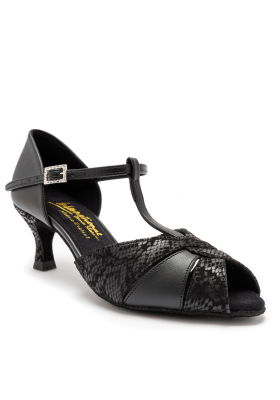
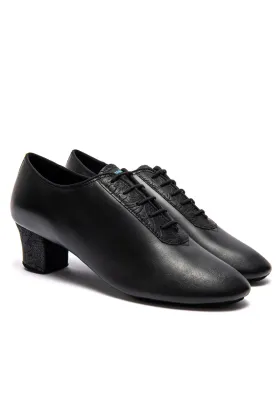
Latin shoes are made for movement through the ball of the foot, pointed lines, quick weight changes, and close contact with the floor. Ladies' Latin sandals often feature an open toe, straps across the forefoot, and a flexible suede sole. Men commonly choose a sleek Latin shoe with a lower profile and flexibility through the front of the foot.
Heel height deserves careful thought. A higher heel can create a longer leg line and suit experienced dancers who are comfortable balancing over the ball of the foot. A lower heel may be the better choice for a newer dancer, a long social event, or anyone building ankle strength and confidence. There is no benefit to choosing a heel that prevents you from using proper foot pressure or dancing comfortably.
For salsa, bachata, and other social Latin styles, some dancers prefer a lower, more stable heel than they would wear for a formal competition. The best option depends on the floor, your technique, and how many hours you expect to dance.
Ballroom, standard, and smooth shoes
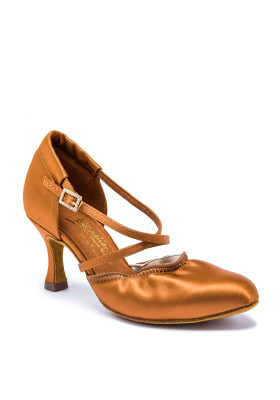
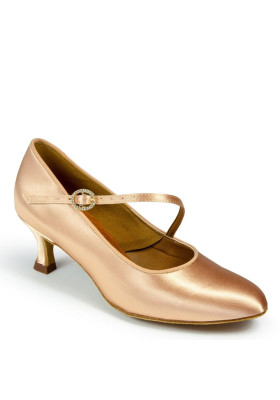
Ballroom and standard shoes support a different type of movement. Ladies often choose a closed-toe court shoe or a style designed for a secure, elegant line in hold. Men typically need a traditional ballroom shoe with a smooth, supportive fit and the correct sole for gliding and controlled rotation.
American smooth dancers may use closed-toe shoes for partnered work but need enough flexibility for open choreography. If you dance both standard and smooth, explain that when choosing your shoe. One versatile pair can work well for some dancers, but dedicated competitors may prefer separate styles for each discipline.
A closed-toe shoe should feel secure without crushing the toes. Since ballroom shoes need to stay connected to the foot during backward steps, pivots, and sway, a loose fit can compromise both comfort and control.
Practice, teaching, and social dance shoes
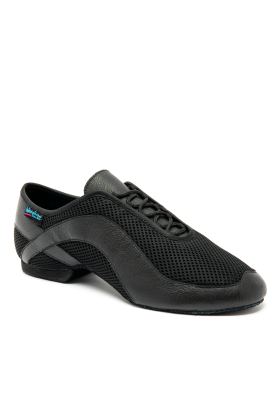
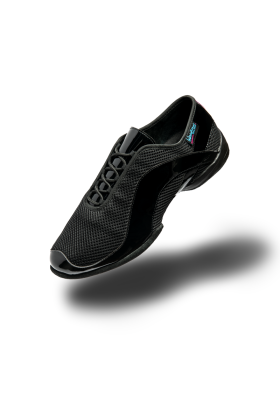
Practice shoes are often the smartest first purchase for dancers attending regular lessons. They offer a more supportive, wearable feel than a competition sandal while still giving you the suede sole and movement needed for ballroom or Latin technique. Many dancers keep a practice pair even after purchasing dressier shoes for showcases and competitions.
Teaching shoes also need to balance polish with comfort. Instructors and dance hosts may spend many hours standing, demonstrating, and dancing with different partners. A moderate heel, stable fit, and dependable construction are often more practical than an especially high or delicate style.
For social dancers, think honestly about your routine. If you attend one class each week, you may prioritize versatility. If you go dancing several nights a week, it can make sense to reserve a dedicated pair for the dance floor and avoid wearing them outdoors. Suede soles are designed for indoor dance floors and can wear down quickly on pavement, rough concrete, or wet surfaces.
Getting the fit right before you buy
Dance shoes should feel more fitted than everyday shoes, but they should not be painful. Soft dance materials can adapt to the foot with wear, especially across the forefoot, so a shoe that starts out very loose may become too loose after a few dances. At the same time, do not assume discomfort is something you must tolerate for the sake of a sleek look.
When trying on IDS shoes, pay attention to heel security, toe placement, arch support, and how the straps or vamp hold your foot. In an open-toe Latin sandal, your toes should sit close to the edge without extending far beyond it. In a closed-toe ballroom shoe, your toes should not be curled or pressed hard against the front.
Your dominant foot, foot width, bunions, high instep, and personal sensitivity all affect fit. This is why two dancers who wear the same street-shoe size may prefer different IDS sizes or models. If one foot is slightly larger, fit the larger foot first. A knowledgeable retailer can suggest options that may suit wider feet, narrower heels, or dancers who need more coverage and stability.
It also helps to try shoes at a time when your feet are not unusually swollen or fatigued. Bring the type of hosiery, socks, or foot accessories you would normally wear. Then test the shoes with small steps, rises, turns, and weight changes rather than judging them only while standing still.
What to check when shopping online in Canada
Buying dance shoes online is convenient, but the details matter. Confirm whether the style is designed for ladies, men, youth, Latin, ballroom, or practice use. Review the heel height carefully, since a shoe can look similar in photos while feeling completely different on the floor.
Before placing an order, compare your foot measurement with the retailer's sizing guidance instead of relying only on your regular shoe size. Dance shoe sizing can vary by brand, last, material, and style. If you have owned IDS shoes before, note the size and model that worked, but still check the fit information for the new design.
Consider the shoe's purpose as well as its appearance. A sparkling sandal may be right for a showcase, while a plain satin or leather practice shoe may get much more use each week. If you are buying for a child or youth dancer, leave only the amount of room recommended for safe dancing. Oversized shoes make it harder to point, balance, and move with control.
Protect your investment on and off the floor
A good pair of International Dance Shoes can last well when treated as dance footwear rather than street footwear. Carry them to the studio or venue in a dance bag, and put them on once you are indoors. Brush the suede soles as needed to maintain traction and remove compacted dirt.
Keep shoes away from excessive moisture and allow them to air out after use. If you rotate between a practice pair and a performance pair, each pair gets time to dry and maintain its shape. This is particularly helpful for dancers who train often or attend multi-day events.
The best IDS shoe is the one that lets you focus on timing, connection, posture, and the enjoyment of dancing - not on a slipping heel, aching toes, or an uncertain turn. Choose the style that suits your real dance life, ask for fit guidance when you need it, and give yourself time to get comfortable before your next important event.
Tags international dance shoes canada, buy international dance shoes toronto, UK ballroom shoes canada, latin dance shoes canada, ballroom dance shoes thornhill
Related Products
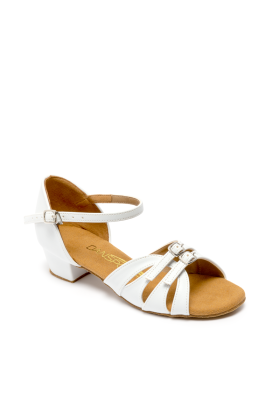
IDS - Dansport - Girls - 1.25"
$153.00US
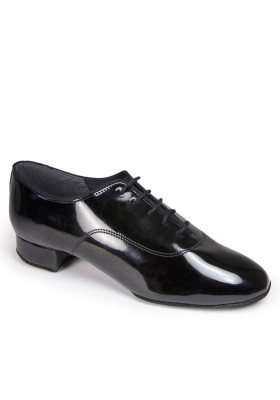
IDS - Contra Pro - Black Patent - 1 inch
$227.80US

Sale
IDS - JAZZ - AIRMESH/BLACK
$168.30US $142.80US
Sale
IDS - TEMPO - AIRMESH/BLACK PATENT
$194.65US $170.00US

Sale
IDS - Flavia - Tan Satin - 2.5 Heel - Slim
$210.80US $198.90US