


- 18 September, 2026
- 18
- 0
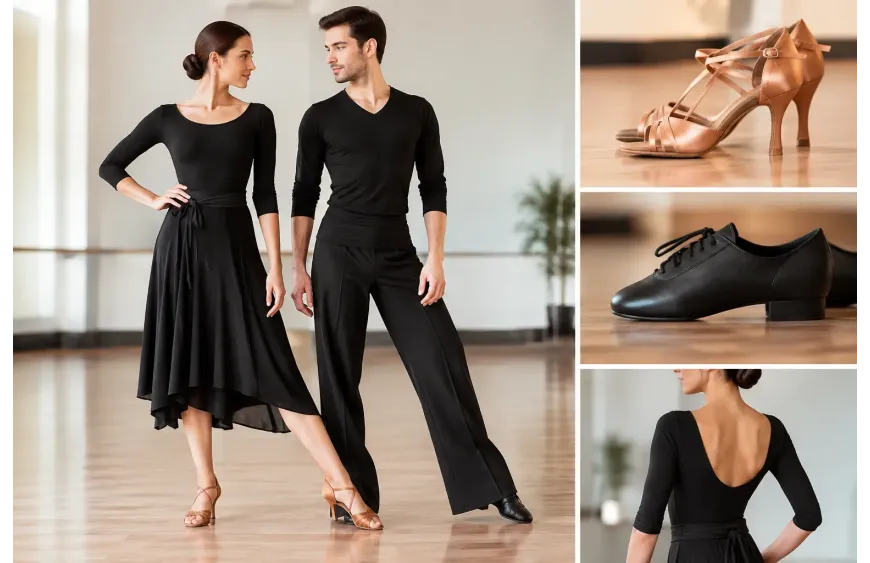
The first turn across a ballroom floor tells you more than a mirror ever will. If your shoes grip, your hem catches, or your waistband distracts you, it is hard to focus on timing and partnership. Knowing what to wear ballroom class helps you arrive ready to move, learn, and enjoy the social side of dance without overthinking your outfit.
For most beginners, the goal is simple: wear clothing that moves comfortably, stays in place, and suits the type of class you are taking. You do not need a competition gown or a fully styled Latin look for a first lesson. You do need footwear that allows you to pivot safely and clothing that lets an instructor see your posture, footwork, and line.
What to Wear to Ballroom Class: Start With Movement
Ballroom lessons ask your body to do more than walk to music. You may take long backward steps, rotate through the standing leg, lift your arms into frame, or practice quick weight changes. Choose pieces with enough stretch to accommodate those movements without needing constant adjustment.
For women, a fitted top with dance pants, leggings, a practice skirt, or a simple dance dress is a dependable starting point. A skirt can be especially useful for ballroom styles because it gives you a sense of movement and helps you get used to managing fabric as you turn. Look for a length that stays clear of your feet. A flowing midi skirt may feel elegant, but it can become a tripping hazard if it is too long or wide for your current level.
For men, a comfortable fitted T-shirt, polo, or button-front practice shirt with flexible dance pants works well. Pants should allow a full stride and knee bend without pulling at the seat or thigh. Avoid extremely loose sweatpants that hide your leg action or drag under your heel. For Latin classes, a more fitted shirt can make it easier to see body placement and rhythm movement, but comfort still comes first.
Dancewear does not need to be restrictive to look polished. The best practice clothing follows your body closely enough that you can check alignment, while leaving enough room to breathe, stretch, and raise your arms comfortably.
Choose breathable layers for the studio
Studios can feel cool at the beginning of class and warm once dancing starts. A lightweight wrap, zip jacket, warm-up top, or cardigan is practical for arrival and breaks. Remove bulky layers before working with a partner, especially in frame-based ballroom classes, where excess fabric around the shoulders and arms can interfere with connection.
If you are attending after work, you can often transition easily with a compact change of clothing. Many dancers keep a practice top, dance pants or skirt, and dance shoes in a dedicated bag so they are not trying to make office shoes or restrictive clothing work on the floor.
Your Shoes Matter More Than Your Outfit
The right dance shoe is the most useful purchase you can make for ballroom class. Street shoes are designed for sidewalks, not turns. Rubber soles can grip suddenly, which puts unwanted torque on the knees and ankles. Running shoes may feel cushioned, but their thick soles make it difficult to feel the floor and can slow down foot placement.
A ballroom or social dance shoe has a sole designed to glide and pivot with control. For many dancers, suede soles provide the right balance: enough traction for stability and enough slide for turning. They also need regular brushing to maintain their performance, especially in busy studios.
Beginners often do best in a closed-toe practice shoe, a low-heeled ballroom shoe, or a supportive social dance shoe. These styles provide more coverage and stability while you learn basic steps. If you are drawn to Latin, a low, secure heel can help you become familiar with weight placement without making balance the main challenge of every lesson.
Heel height is personal. A higher heel can create a longer leg line and is common in Latin dance, but it changes your balance and can fatigue the feet quickly. There is no prize for starting higher than you can control. A lower heel is often the smarter choice for weekly classes, social dancing, and long practice sessions.
For men, ballroom shoes or Latin shoes should fit securely through the heel and midfoot, with enough room at the toes to articulate the foot. A shoe that slips at the heel can affect both comfort and technique. Avoid wearing a shoe that is overly roomy in the hope of adding thick socks later. Dance shoes should feel supportive from the start.
Match the shoe to the style when you can
Ballroom is a broad category, and footwear changes with the dance. Standard ballroom and American smooth dancers often prefer shoes that support longer traveling steps and a clean heel lead. Latin dancers typically need a more flexible shoe that supports sharper foot articulation and faster weight changes. Social dancers may prioritize all-evening comfort, while teachers often need a durable practice shoe for hours on the floor.
If your class combines waltz, foxtrot, cha-cha, rumba, and swing, do not worry about owning a separate pair for every dance right away. One well-fitted, versatile practice or social dance shoe is enough for many new dancers. As your interests become more specific, you can choose shoes that better suit ballroom, Latin, American smooth, or competition use.
Dress for the Kind of Ballroom Class You Are Taking
A beginner group class usually has the most relaxed dress expectations. Clean, flexible practice clothes and proper dance shoes are appropriate. You may see dancers in leggings, skirts, trousers, polos, dance tops, and simple dresses. The shared priority is movement, not formality.
Private lessons and regular practice sessions often call for the same approach, though more experienced dancers may choose fitted practicewear that reflects their preferred style. In a Latin-focused class, a bodysuit with a skirt, fitted dance top, or slim pants can make fast hip and leg action easier to see. In a standard ballroom class, a comfortable dress or skirt that moves around the knees can help you experience the shape of the dance without needing formal ballroom attire.
Showcases, medal exams, and competitions are different settings. They may have dress codes, costume rules, age-specific requirements, or expectations related to the event level. That is the time to consider competition dresses, tailored menswear, performance costumes, rhinestones, and accessories. For a weekly class, save the elaborate details for later and focus first on fit, function, and confidence.
Details That Can Make Class Easier
A few small choices can prevent distractions during your lesson. Keep jewelry minimal, especially long necklaces, dangling earrings, large rings, and bracelets that may catch on a partner or costume. Secure long hair so it does not fall across your face during turns. If you wear glasses, make sure they fit securely before practicing spins.
Bring a small bag with the essentials. Four items are especially useful:
- Dance shoes, kept separate from outdoor footwear
- A water bottle for longer classes or social dances
- A small towel or spare top if you tend to warm up quickly
- A shoe brush for suede soles, particularly if you dance often
Avoid heavy fragrance. Ballroom is a partner activity, and close connection is part of the technique. Fresh, comfortable clothing and light personal care are more considerate than a strong scent that stays in the room after you leave.
What Not to Wear to Ballroom Class
The issue is rarely looking too casual. The bigger concern is wearing something that makes movement unsafe or uncomfortable. Very long skirts, loose scarves, oversized hoodies, flip-flops, platform shoes, and footwear with sticky outdoor soles can all get in the way.
Jeans are possible for a casual introductory class if they have substantial stretch, but they are not ideal for most dancers. They can limit hip movement, make kneeling or lunging uncomfortable, and become hot during a longer session. Likewise, bare feet and socks may seem convenient, but they do not offer the support or controlled glide needed for partner dancing.
Children and youth dancers need the same freedom of movement, with an extra focus on secure fit. Clothing should allow an instructor and parent to see posture and leg placement without being overly complicated. Youth dance shoes should fit well at the heel and ankle, with room for normal toe movement but no excess length that affects balance.
Find a Fit That Lets You Focus on Dancing
Dancewear should help you forget about dancewear once the music starts. If you keep pulling at a neckline, stepping on a hem, or bracing for your shoes to slide off, the item is not doing its job. A proper fit gives you the confidence to work on technique rather than manage your outfit.
For dancers in the Toronto and GTA area, Dancewear Champions can provide personal guidance on ballroom, Latin, social, and practice shoe fit, along with clothing options for adults, youth dancers, and a range of body types. Trying on shoes with knowledgeable fitting support can be especially helpful when you are deciding between heel heights, toe shapes, and practice versus performance styles.
Your first ballroom outfit does not have to be dramatic. Start with clothes that let you stretch, shoes that let you turn, and a fit that feels secure. The polished look comes naturally when you can stand tall, move freely, and pay attention to the person dancing beside you.
Tags what to wear, ballroom class, ballroom wear, latin wear
Related Products
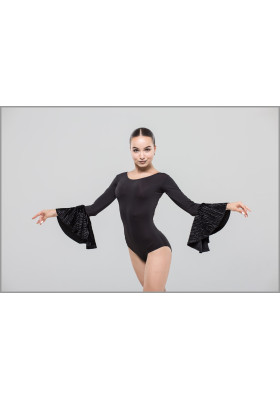
Leotard-35
$72.25US
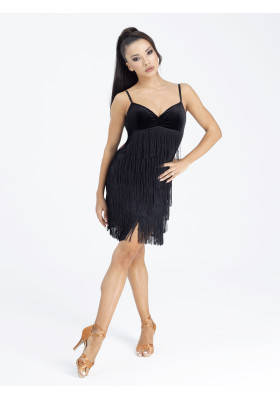
Latin Dress 14
$280.50US
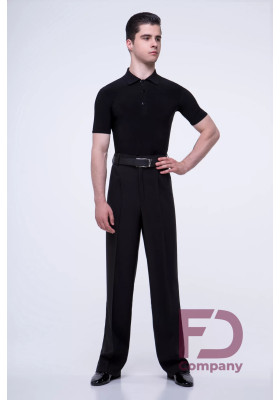
Men Latin / Ballroom Pants 02
$170.00US
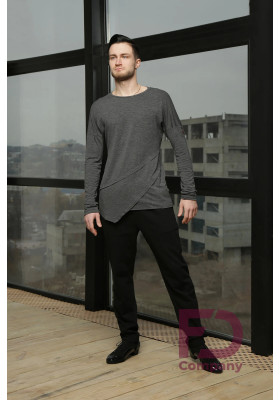
Shirt 01
$98.60US
Sale
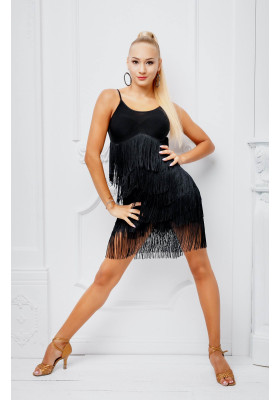
Latin Dress 40
$212.50US $144.50US
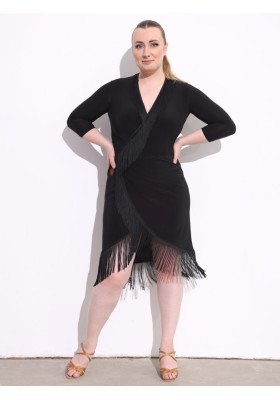
Latin Dress 28
$255.00US

Leotard-95 Black
$136.00US

Shirt 03 neck jumper
$102.00US