- 10 August, 2026
- 220
- 0
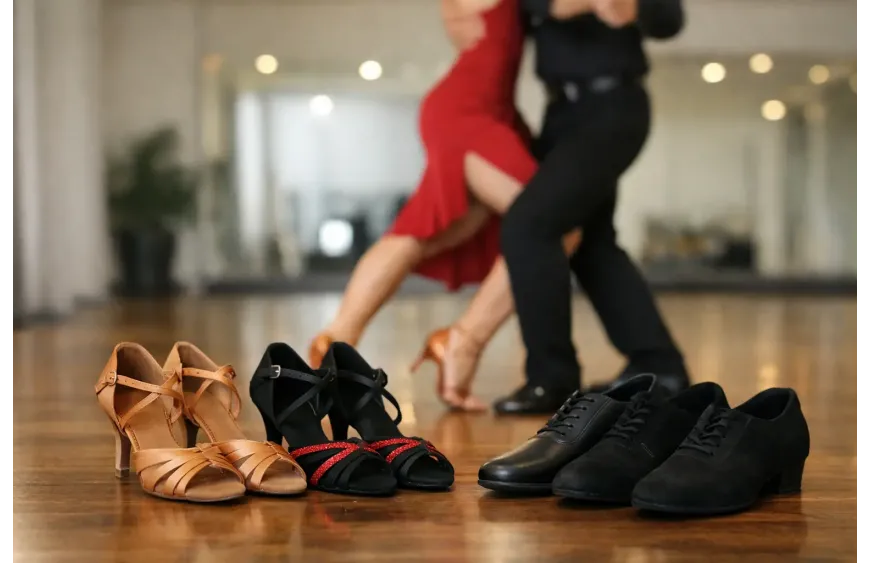
Your first salsa class can make almost any shoe feel acceptable. Then the music picks up, you try a turn, and your sneaker grips the floor while the rest of you keeps moving. The right salsa shoes for beginners are not about looking advanced. They help you pivot more easily, feel the floor, and focus on timing and connection instead of fighting your footwear.
For new dancers, the best choice is usually a comfortable, secure shoe with a dance sole and a heel height that matches your balance. There is no single correct salsa shoe for everyone. Your class setting, experience level, foot shape, and whether you are dancing socially or training regularly all matter.
Why salsa shoes feel different from regular shoes
Salsa uses quick weight changes, turns, cross-body movement, and plenty of pivots. Street shoes are designed for sidewalks, gyms, or daily support. Their rubber soles can grip too strongly on a studio or dance floor, putting extra twist through the knees and making turns feel abrupt.
Dance shoes typically use a suede or specialized dance sole. This gives you controlled glide: enough traction to feel stable, but enough freedom to turn without forcing the movement. That difference can make a beginner feel less stuck and more confident after only a few classes.
A proper dance shoe also holds the foot closer than a typical casual shoe. It should move with your foot rather than lag behind it. This is especially helpful when you begin practicing faster turns, traveling combinations, or partner work.
There is one practical trade-off. Suede soles are made for indoor dance floors, not wet pavement, salt, or rough outdoor surfaces. Bring your dance shoes in a shoe bag and change when you arrive. If you need one pair for dancing and everyday errands, a social dance shoe with a more durable sole may be the better fit, though it will not turn quite like suede.
Salsa shoes for beginners: Start with fit
Fit matters more than appearance, brand, or heel height. A shoe that is too loose can slide at the heel and make you feel unstable. One that is too tight can cause toe pressure, numbness, and a reluctance to put full weight onto the foot.
A dance shoe should feel snug and secure from the beginning, particularly across the ball of the foot and heel. It should not pinch. Many dance shoes soften slightly with wear, especially leather styles, so buying a pair that already feels roomy can lead to slipping later.
Try both shoes on and walk, rise onto the balls of your feet, and make a gentle turning motion. Notice whether your heel lifts, your toes curl to hold the shoe, or a strap presses into one spot. Those are useful signs that a different width, size, or style may suit you better.
Sizing can differ from your everyday shoe size. Open-toe Latin styles often fit more closely than sneakers, while closed-toe practice shoes can feel more familiar. Always use the specific shoe size chart where available, and remember that foot width is as relevant as length. A knowledgeable fitting can be particularly useful if one foot is larger, you have a high instep, or you regularly struggle with heel slip.
Choose a heel you can actually dance in
For many women starting salsa, a low to medium heel is the practical place to begin. A heel around 1.5 to 2.5 inches gives a Latin look and helps you become accustomed to dancing slightly forward over the ball of the foot, without asking too much of your balance.
A flared heel generally offers a broader base and can feel steadier for new dancers than a narrow heel. A slimmer heel may look elegant, but it asks for more ankle control, particularly during fast turns or when the floor is crowded. Higher heels can come later if you enjoy them and can keep your weight centered comfortably.
For men, Latin dance shoes usually have a modest raised heel and a flexible suede sole. The heel supports Latin posture and movement while remaining stable for leads, directional changes, and turns. Beginners who are used to flat sneakers may notice the difference immediately, but a properly fitted men’s Latin shoe should feel secure rather than precarious.
If heels are not comfortable for you, do not assume you have to wear them to salsa. Low-heeled social dance shoes, practice shoes, and certain dance sneakers can be good starting points. The key is selecting a shoe designed to turn on an indoor floor, rather than a regular athletic shoe with a sticky outsole.
Open-toe, closed-toe, or practice shoe?
Open-toe Latin sandals are a popular choice for salsa because they are light, flexible, and visually suited to the dance. They allow the foot to point naturally and work well for social dancing, classes, and Latin practice. Look for straps that keep the forefoot secure without digging in.
Closed-toe Latin shoes offer more coverage and can feel more protected in a busy class or social dance venue. Some beginners prefer them if they are concerned about accidental steps, have sensitive toes, or simply like the feeling of a more enclosed shoe. They can also be a strong option during colder Canadian months when you are traveling to and from class.
Practice shoes are often the most versatile answer for dancers who want comfort first. They commonly have a lower heel, supportive upper, and flexible sole. They may not have the dressy look of a strappy sandal, but they are excellent for weekly lessons, longer training sessions, and building technique without distracting discomfort.
The best style depends on where you will wear it most. Choose a dressier Latin sandal if your goal is social salsa nights and you are comfortable in a small heel. Choose a practice shoe if you are attending regular classes and want all-purpose comfort. A closed-toe shoe may be the right middle ground if security and coverage are your priorities.
Details that make a real difference
When comparing beginner salsa shoes, look beyond color. Small design features can change how the shoe performs over a full evening of dancing.
- Adjustable straps help accommodate different foot widths and can prevent the foot from sliding forward.
- A secure ankle strap or heel cup improves stability and reduces the urge to grip with your toes.
- Flexible construction lets the foot articulate naturally through weight changes and pointed lines.
- A cushioned insole can make longer classes and social dances more comfortable, especially while your feet adapt.
An ankle strap is often reassuring for beginners, but it should not be pulled so tightly that it limits circulation. Similarly, extra padding can be welcome, yet a very thick sole may reduce your connection to the floor. There is always a balance between comfort, flexibility, and the feedback you need to improve.
What to avoid for your first pair
Avoid learning salsa in flip-flops, loose slides, heavy boots, or running shoes with deeply textured rubber soles. These styles can catch, slip off, or make turning difficult. Bare feet may feel easy at home, but they do not offer protection in a shared studio or social venue.
It is also wise to avoid buying a high heel solely because it looks like a competition shoe. Competition footwear is designed for dancers who have already developed strength, placement, and control. Your first pair should make you want to stay for the last song, not make you count down until you can sit down.
Do not expect dance shoes to fix every technical challenge, either. They support movement, but balance still comes from posture, core engagement, and patient practice. If a shoe feels uncomfortable after a brief try-on, it is unlikely to become a favorite once you add an hour of dancing.
Care for dance soles and your feet
Suede soles need occasional brushing to remove packed-in dirt and restore their grip. A dance shoe brush is useful, especially if the sole begins to feel overly smooth or slippery. Keep shoes dry, store them in a breathable bag, and avoid wearing them outside.
For your feet, bring blister protection to your first few classes if you are breaking in a new pair. Give yourself time to adapt to heel height and a closer fit. If you experience sharp pain, ongoing numbness, or significant rubbing, stop and reassess the fit rather than trying to push through it.
A first pair of salsa shoes is a practical piece of dance equipment, but it is also a small commitment to your new hobby. When your shoes fit well, turning feels easier, your feet feel more secure, and you are free to pay attention to the part that brought you to class in the first place: the music, the movement, and the people sharing the floor with you. For dancers in Toronto and the GTA, a personal fitting at Dancewear Champions can make that first choice much less intimidating.
Tags salsa shoes, Bachata shoes, salsa Dance shoes, Bachata Dance shoes,
Related Products
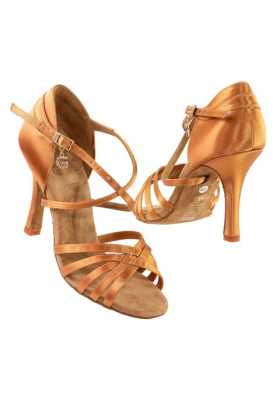
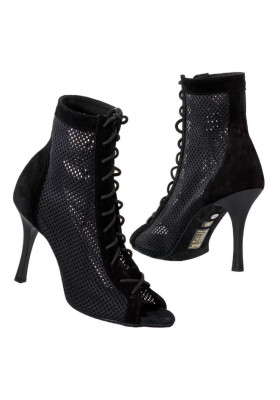
Galex - Victoria - Slim Heel
$199.75US
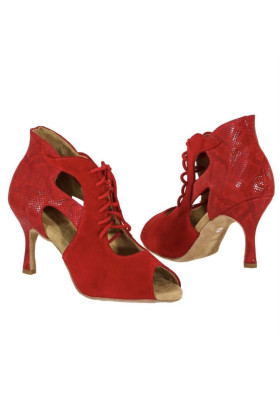
Galex - Zarina - Slim Heel
$199.75US
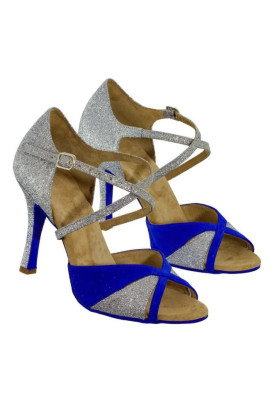
Galex - Emily - Heel - Slim 4-9 cm
$199.75US
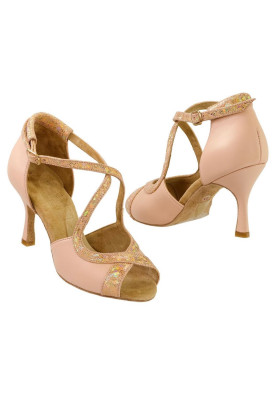
Galex - Light Pink- Heel - Slim 4-9 cm
$199.75US