


- 18 October, 2026
- 15
- 0
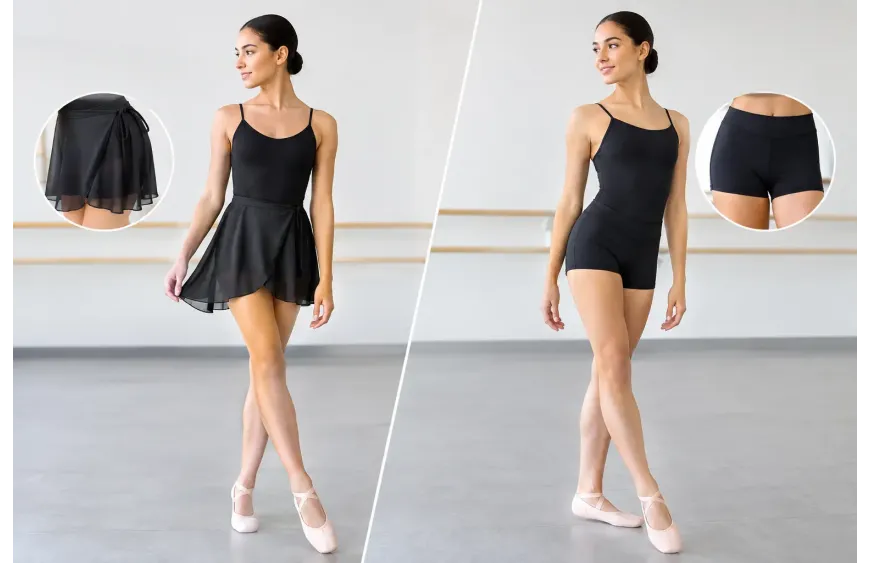
A quick turn in front of the studio mirror can answer more than a size chart. When deciding on a practice skirt versus dance shorts, the best choice is the one that lets you concentrate on timing, posture, and connection instead of adjusting your outfit between figures. Both are useful practice layers, but they create a different feeling in motion and suit different dancers, dance styles, and training goals.
For ballroom, Latin, salsa, bachata, social dance, and teaching, your practicewear should move with you while giving you appropriate coverage and confidence. The right option is rarely about a fixed rule. It is about how you train, what you are rehearsing, and what helps you show up consistently.
Practice Skirt Versus Dance Shorts: The Key Difference
A practice skirt adds shape, swing, and the visual line of a skirt or dress without requiring full competition attire. It may be fitted through the hips, flared at the hem, layered, fringed, or designed with a wrap-style panel. Many dancers wear one over briefs, leggings, or built-in shorts, depending on the garment.
Dance shorts are a closer-fitting bottom designed for unrestricted movement. They range from short fitted styles to longer bike-short cuts, high-waist designs, and styles with a wider leg. They can be worn alone with a dance top or bodysuit, under a skirt, or beneath a dress for extra security.
The practical distinction is simple: a skirt gives you visible movement and a more traditionally dancewear-focused silhouette, while shorts provide a streamlined base layer with minimal distraction. Neither is automatically more professional or more comfortable. Fit and context matter more.
When a Practice Skirt Makes Sense
A skirt is especially useful when you want to see the effect of movement below the waist. In Latin and rhythm styles, a fitted skirt with fringe, ruffles, or a soft flare can help a dancer understand how hip action, weight changes, and turns read visually. It is not a substitute for technique, of course, but it can make the results of clean movement easier to notice.
For ballroom and American smooth practice, a longer flowing skirt can help you become familiar with managing fabric during traveling patterns, pivots, and turns. Dancers preparing for a showcase or competition sometimes prefer this extra visual reference, particularly when they will perform in a skirted costume or gown. A practice skirt can also help a dancer feel more dressed for the role they are rehearsing, which is a genuine confidence benefit.
Skirts are often a popular choice for social dance nights, studio group classes, and teaching. They offer an easy transition from practicewear to a polished, dance-appropriate outfit. If you are moving from work to a lesson or a social, a simple black practice skirt paired with a supportive top may feel more versatile than athletic shorts.
There are trade-offs. A skirt with too much volume can catch on a partner's hand, obscure leg placement, or feel warm during a long practice session. Very short skirts can also make some dancers self-conscious during spins, dips, or floor work. Look for secure waistbands, adequate coverage, and fabric that returns to shape after repeated movement.
Skirt Length and Shape Change the Experience
A short, fitted Latin skirt offers a very different experience from a knee-length ballroom practice skirt. Shorter styles tend to suit quicker movement and can make foot placement easier to see. A longer or more flared skirt creates more visual flow but needs enough clearance for natural strides and turns.
If you are unsure, begin with a shape that reflects your main dance style rather than buying the most dramatic design. A clean practice skirt in a stretch fabric is often more useful week after week than a highly decorated piece reserved for occasional rehearsals.
When Dance Shorts Are the Better Choice
Dance shorts are a dependable option for drills, conditioning, private lessons, and any session where you want your movement visible without fabric moving around your legs. They are particularly practical for working on turnout, knee tracking, foot articulation, lifts, stretches, and repeated choreography.
For beginner dancers, shorts can remove one decision from getting dressed for class. Pair them with a fitted top, bodysuit, or practice blouse, add the appropriate dance shoes, and you have a functional outfit that works across many training situations. They are also useful for youth dancers who need secure coverage for active classes and rehearsals.
High-waist dance shorts can feel supportive through the midsection and stay in place during spins. Longer fitted shorts may be preferred by dancers who want more thigh coverage or who attend longer classes. A shorter cut can feel cooler and less restrictive, but only if the leg openings stay put and do not ride up as you move.
Shorts are also valuable beneath skirts and dresses. This combination gives dancers the polished line of a skirt with the confidence of a secure underlayer. For many Latin dancers, that is the most practical answer rather than choosing one category exclusively.
The limitation of shorts is visual. They do not create the same sense of movement as a skirt, so they may not help when rehearsing costume presentation or evaluating how dance action reads to an audience. Some dancers also simply feel more comfortable in a skirted silhouette for partnered dance. Comfort includes how you feel, not just how the garment stretches.
Choose Based on Your Dance Session
Think about what you need from the next two hours of practice. For technique drills, solo choreography, fitness training, or a hot studio, dance shorts are often the easier choice. For partnered ballroom work, Latin styling, social dancing, or rehearsing for a performance, a practice skirt may better match the occasion.
Your instructor's expectations matter, too. Some studios request close-fitting apparel so teachers can see alignment. Others are relaxed as long as clothing allows safe movement. If you are joining a new class, choose a simple, secure option first and adjust once you understand the studio environment.
For a competition-focused dancer, keeping both options in your dance bag is practical. Shorts handle warm-ups, early rounds of practice, and conditioning. A skirt can be added when you need to rehearse presentation, skirt management, or the full visual character of a routine.
Fit Matters More Than the Label
A beautiful skirt that twists at the waistband will become a distraction. Shorts that pinch at the thighs or slide down during a rumba walk will do the same. Before committing to a style, test the movements you actually use: squat, lunge, lift one knee, rotate through the hips, take a long step, and turn.
Look for stretch fabrics that recover well, flat seams that do not rub, and waistbands that sit securely without digging in. For skirts, check whether the built-in brief or underlayer gives enough coverage for your comfort level. For shorts, check the inseam and leg opening. A longer inseam is not inherently better, but it can be more stable for some body shapes and activities.
Inclusive sizing is worth prioritizing because proper fit affects both comfort and confidence. Dancers should not have to choose between a waistband that fits and enough room through the hips or thighs. When possible, use the garment's size chart and consider personal fit guidance, especially for a first purchase in an unfamiliar brand.
Build a Practice Outfit That Works Hard
Your bottom layer is only one part of the outfit. A fitted top or bodysuit lets an instructor see your upper-body placement. A lightweight warm-up layer is helpful before class and between runs. Most importantly, wear dance shoes appropriate to your style rather than relying on street shoes that can grip, slide, or strain your joints unpredictably.
Color can be functional, too. Black shorts or a neutral skirt coordinate easily with multiple tops and stay useful across lessons, rehearsals, and social events. If you enjoy bolder color or texture, save it for the pieces that make you feel energized without making movement harder to assess.
A good practice wardrobe does not need to be large. One reliable pair of dance shorts, one versatile practice skirt, supportive tops, and the right shoes can cover a surprising range of classes. As your dancing develops, you can add styles that better reflect your preferred discipline and performance goals.
The best choice is the one you forget you are wearing once the music starts. If you need help narrowing down the fit, length, or silhouette that suits your training, Dancewear Champions can help you choose practicewear that supports the way you actually dance.
Related Products

Ballet Girls Costume Dress 14
$85.00US

Ballet Girls Leotard 11
$55.25US

Ballet Girls Leotard Dress 10
$38.25US

Ballet Skirt
$12.75US
Ballet Warm-UP 01
$21.25US