


- 24 August, 2026
- 137
- 0
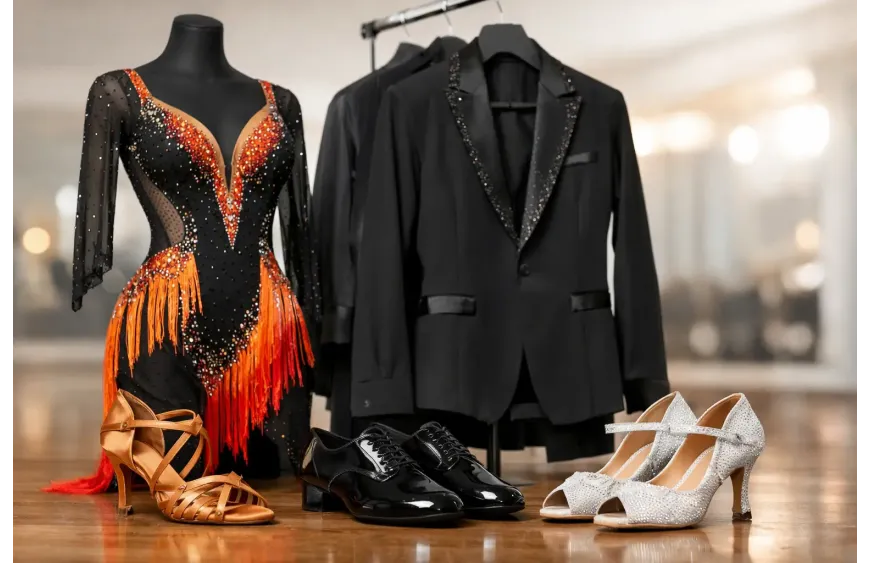
A costume can look spectacular under studio lighting and still become a distraction the moment you take a full stride, settle into a frame, or hit a fast Latin spin. Whether you are shopping for a performance competition outfit, Latin costumes, plus-size dance costumes, ballroom costumes, performance competition dance costumes, or men’s dance suits, the right choice begins with how the garment performs on your body - not only how it looks on a hanger.
Competition and showcase clothing has a job to do. It needs to support your movement, suit your dance category, complement your partner when applicable, and help you feel prepared when attention turns toward the floor. Start with the dance, then consider fit, coverage, color, trim, and the level of formality your event calls for.
Choose a Performance Competition Outfit by Dance Style
Ballroom and Latin costumes are both designed for performance, but they create very different visual lines. Wearing the wrong silhouette does not make you a less capable dancer, but it can work against the character and movement of the dance.
For Standard ballroom, including waltz, tango, foxtrot, quickstep, and Viennese waltz, gowns typically emphasize length, float, and continuous movement. Full skirts, chiffon layers, godets, draping, and carefully placed stones can create a larger visual effect as you travel around the floor. The bodice should remain secure through turns and changes of direction, while the skirt needs enough room to move without catching on your shoes or your partner.
Latin costumes are generally more fitted and rhythm-focused. Dresses, skirts, bodysuits, and coordinated separates may feature fringe, mesh, ruffles, asymmetrical hems, cutouts, or sparkle that highlights hip action and sharp body rhythm. A Latin costume should allow full range of motion through the torso and legs. Before committing to a shorter skirt or a dramatic fringe detail, practice your basic actions in it. If it rides up, twists, or blocks your leg line, it will likely become more noticeable under pressure.
American Smooth performers may need a wardrobe that bridges these two visual languages. A smooth dress often benefits from a flowing skirt for traveling figures, with a closer fit and enough freedom through the torso for open work. For social dancing, teaching, or a first showcase, a polished practice dress or skirt-and-top combination can be the more versatile choice.
Fit Comes Before Embellishment
Crystals, feathers, fringe, and bright colors are exciting, but fit is what gives a costume its confidence. A garment should sit comfortably at the shoulders, bust, waist, hips, and seat without requiring constant adjustment. It also needs to stay in place during the movements your dance actually demands.
Try a competition piece with the undergarments, dance shoes, and shapewear you expect to wear on the day. Raise your arms, rotate your torso, take a deep lunge, and move through a few turns. For partnered ballroom, recreate a closed hold. For Latin, test hip action, spins, and any movement that asks for a deep bend or high leg line. This is the fastest way to catch straps that slip, hems that pull, and bodices that shift.
A close fit is not the same as a restrictive fit. Dance fabrics often use stretch mesh, lycra, elastic panels, or flexible lining to create a sculpted appearance while allowing movement. If you are between sizes, your best choice depends on the garment’s stretch, construction, and where you need room. A fabric with minimal give may require a different size than a highly stretchable bodysuit. Checking the garment-specific size chart is more reliable than choosing based on your usual street-clothing size.
Plus-Size Dance Costumes Should Never Be an Afterthought
Plus-size dance costumes should offer the same movement, polish, and personality as any other performance look. The goal is not to hide the dancer. It is to choose construction that feels secure and puts attention where you want it.
Supportive bodices, wider straps, well-placed mesh, comfortable waistbands, and strategic draping can all make a meaningful difference. Some dancers prefer a dress with built-in coverage and a smooth, stable fit, while others feel most confident in a skirt, dance top, and bodywear combination that allows more flexibility in sizing. Neither option is more correct. The best choice is the one that lets you move freely without thinking about your clothing.
Color and decoration deserve the same consideration. A rich solid color can make a strong statement, while rhinestone details, fringe, and contrast panels can emphasize movement and shape. Avoid treating “flattering” as a one-rule formula. A dancer who loves vivid color, open shoulders, or a defined waistline should have options that reflect that preference.
Men’s Dance Suits Need Movement, Not Just Formality
Men’s dance suits are built for a different job than an everyday suit. In ballroom, a classic formal look may include trousers, a fitted shirt, vest, tie, tail-style pieces, or other category-appropriate attire. In Latin, the silhouette is often more streamlined, with fitted shirts, stretch trousers, and details that create a clean, dynamic line.
The key distinction is mobility. Dance trousers should allow comfortable steps, lunges, and rotations without pulling across the hips or thighs. Shirts need enough shoulder and back room for frame and arm styling. A garment that feels fine standing still may feel too tight once you are dancing full-out.
For men who are new to competitions or showcases, it is often smarter to begin with a versatile, well-fitting dance shirt and trousers rather than choosing an overly elaborate outfit immediately. You can build a more formal wardrobe as your event schedule, category, and personal style become clearer. Small details - a crisp collar, secure cuffs, correct trouser length, and shoes matched to the dance - make a noticeable difference.
Match Your Costume to the Event Level
Not every event requires the same degree of decoration. A practice session calls for comfortable teaching and practice wear. A social dance may invite a dressier look, but it still needs to be practical for a long evening. A showcase or competition usually gives dancers more room to use stage-ready elements such as rhinestones, fringe, feathers, dramatic skirts, or coordinated partner outfits.
For youth dancers, the event rules and age division should guide the final selection. Juvenile competition dresses and boys’ dancewear should be chosen with attention to permitted styling, secure fit, and comfort. Parents should also think ahead to quick changes, washability, and whether a garment can serve more than one event or season.
If you are competing as a couple, aim for coordination rather than an exact match. A ballroom gown with soft movement may pair beautifully with a men’s formal look in a complementary color family. For Latin, the visual relationship can be bolder, but both costumes should still allow each dancer’s movement to read clearly. Too many competing colors or details can make the partnership look visually busy.
Finish the Look With the Right Foundations
Costumes get the attention, but dance shoes and foundations determine whether the whole outfit works. Ballroom shoes, Latin shoes, and smooth shoes are designed with different movement patterns in mind. Heel height, sole flexibility, straps, stability, and fit all affect how confidently you can dance. Never leave shoe testing until the week of an event.
Bring the complete look together during a dress rehearsal. Wear your costume, shoes, accessories, and hairstyle as close to event-ready as possible. Check hemlines while moving, make sure jewelry does not catch, and confirm that any hair accessories stay secure through turns. Keep a small event kit with extra hairpins, clear straps if needed, garment tape, safety pins, and a shoe brush.
For dancers in Toronto, Thornhill, and across the GTA, personalized fit guidance can make the selection process far less stressful. Dancewear Champions can help dancers and families compare dancewear categories, review sizing, and choose apparel and footwear that make sense for the floor they are preparing to step onto.
A great performance look should feel like part of your dancing. When the fit is secure, the style suits the dance, and your shoes support every step, you are free to focus on the music, your partner, and the performance people came to see.
Tags performance competition outfit, latin costumes, plus size dance costumes, Ballroom costumes, performance competition dance costumes, men dance suits
Related Products

Sale
Performance Latin Dress 03
$1,700.00US $1,274.15US

Performance Ballroom Dress 02
$1,530.00US

Sale
Performance Latin Dress 07
$850.00US $424.15US

Sale
Performance Ballroom Dress 08
$2,975.00US $1,954.15US
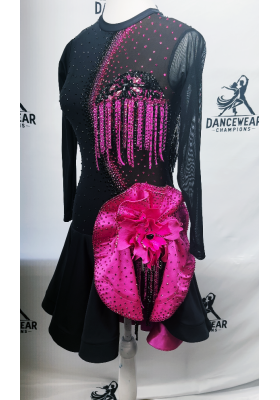
Performance Latin Dress 14
$1,530.00US
Sale
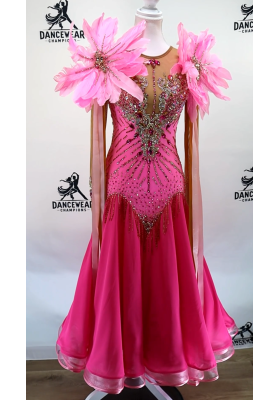
Performance Ballroom Dress 09
$1,700.00US $1,274.15US
Sale
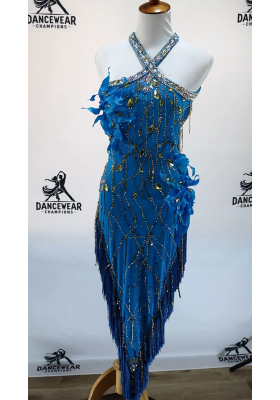
Performance Latin Dress 16
$1,275.00US $680.00US