


- 24 August, 2026
- 179
- 0
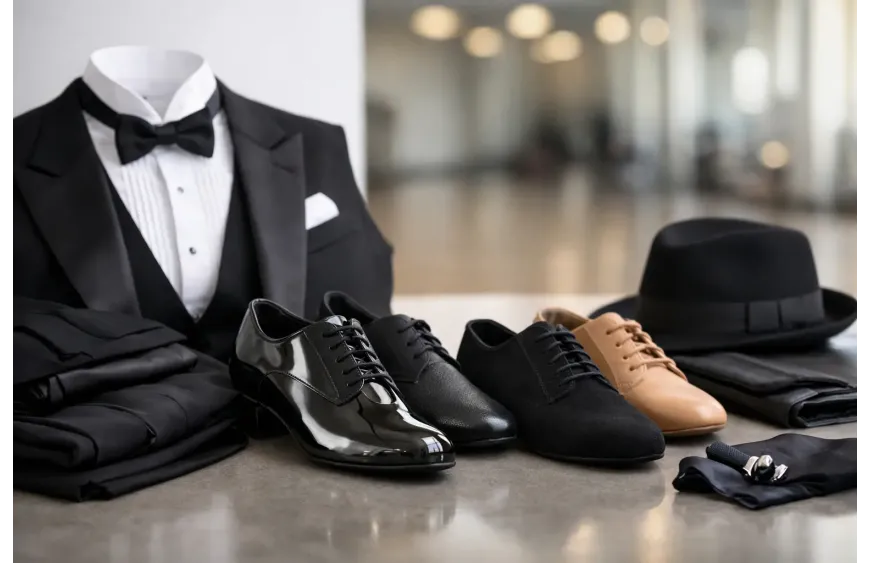
A shirt that pulls across the back, pants that catch at the knee, or shoes that slide off the heel can distract from every count. Whether you are looking for boys dancewear, men's dancing clothes, DanceSport shoes, dance pants, or competition pieces, the right choice starts with the dance you do and the way your body moves in it. Ballroom and Latin clothing may look polished, but its job is practical: it must support posture, movement, comfort, and a confident presentation from the first basic step to the final bow.
Start With the Dance, Not the Outfit
Men's dancewear is not one category. A social dancer who attends a weekly ballroom class needs something different from a competitor preparing a Latin final, and a young dancer needs room to grow without wearing clothing that looks or feels oversized. Begin by separating your primary use: practice, social dancing, teaching, showcase, or competition.
For practice, prioritize breathable stretch fabrics and clothing that lets an instructor see your alignment. A fitted shirt and proper dance pants make it easier to check body position, leg action, and foot placement. For social dancing, comfort over several hours matters just as much as appearance. Competition wear requires more deliberate choices, including a clean silhouette that fits the rules and character of the style.
A useful rule is that your clothes should move with you without demanding your attention. If you are tugging at a waistband, adjusting your cuffs, or worrying about a shirt coming untucked, the garment is working against your dancing.
Men’s Dancing Clothes for Ballroom and Latin
Ballroom and Latin have different visual and physical demands. Standard ballroom favors long, uninterrupted lines. Latin highlights rhythm, body action, and a sharper, closer-to-the-body silhouette. There is overlap in quality and fit, but the details make a difference.
Ballroom dress shirts and vests
A Men Ballroom Dress Shirt should allow comfortable arm elevation and rotation without pulling tightly at the chest or shoulders. Look for a tailored appearance with enough ease through the upper back to maintain a proper dance frame. For social or practice use, a stretch ballroom shirt can be a practical choice. For formal events and competition, a crisp dress shirt creates the clean lines associated with standard ballroom.
A men Ballroom Vest adds structure and formality, especially for showcases, events, and standard competition looks. The vest should sit flat across the torso, button without strain, and stay in place when you raise your arms. It should not be so loose that it hides your posture or so tight that it limits breathing. Pair it with trousers that sit securely at the waist, not low on the hips, to preserve a long, polished line.
Latin shirts and pants
A Men Latin Dress Shirt is typically more fitted and may use stretch mesh, knit fabric, sheen, texture, or detailing that suits the energy of cha-cha, rumba, samba, paso doble, and jive. The best fit follows the body while still allowing full ribcage movement, twisting, and expressive arm styling. A Latin shirt should enhance your lines, not feel like a costume you need to manage.
Latin dance pants are commonly slimmer through the leg than standard ballroom trousers, helping show leg action and creating a streamlined profile. That does not mean they should feel restrictive. Test a pair by sitting, taking a wide side step, bending your knees, and extending a leg behind you. If the fabric pulls sharply at the seat or inner thigh, try a different cut or size.
Ballroom dance pants often offer a straighter or more traditional shape. Their goal is to lengthen the leg and stay smooth through turns, walks, and rise and fall. A comfortable waistband, secure closure, and enough room for full strides are far more valuable than a trendy fit that limits movement.
How Dance Pants Should Fit
Dance pants are one of the hardest working pieces in a man's wardrobe. They must withstand repeated practice, allow movement in every direction, and still look tidy when you are standing with a partner. Fit them for dancing, not just for standing in front of a mirror.
The waistband should stay in place during a basic, a lunge, and a turn. The seat should not sag, but it also should not pull. Through the thigh, you need enough room to move without excess fabric bunching around the knee. The hem should work with your chosen shoes: too long can catch under the heel, while too short can interrupt the leg line.
Fabric also matters. Stretch blends are often excellent for regular practice, especially for dancers who move between ballroom, Latin, and social styles. More structured fabrics can look especially sharp for events. If you teach or dance several times a week, having more than one pair is sensible so each pair has time to air out and retain its shape.
Choosing Dance Shoes for Men
Dancesport shoes for men are performance equipment, not simply dress shoes with a smooth sole. They support controlled movement, make turning easier, and help you feel the floor. Proper dance shoes for men should feel secure at the heel, close through the midfoot, and comfortable enough at the toe box to avoid pressure or numbness.
A new dancer often assumes a looser shoe will be more comfortable. In dance footwear, excessive space can cause the foot to slide, reducing control and increasing the chance of rubbing. A close fit is usually correct, although sizing varies by manufacturer, width, and foot shape. Try shoes on with the socks you will actually wear, if any, and check the fit while taking steps rather than only while seated.
Ballroom, Latin, and social shoe differences
Men's ballroom shoes generally have a lower, broader heel and a design that supports smooth forward and backward movement. They are a strong choice for waltz, tango, foxtrot, quickstep, and American smooth. Men's Latin shoes often feature a more flexible construction and a higher heel, commonly suited to pronounced footwork and rhythm action.
For beginners, social dancers, and dancers taking multiple styles, a versatile practice or social shoe may be the right starting point. It can offer comfort and usable flexibility without requiring a highly specialized competition shoe. The trade-off is that it may not provide the exact profile or performance feel needed for serious DanceSport competition.
Suede soles are common because they offer controlled glide on suitable dance floors. They need brushing to remove compacted dirt and maintain traction. They are not designed for wet sidewalks, rough pavement, or everyday outdoor wear. Protecting your shoes between classes is a simple habit that helps preserve the sole and upper.
Boys Dancewear Should Support Growth and Confidence
For boys, the correct dancewear balances freedom of movement, durability, and an age-appropriate presentation. Young dancers often need clothing for class, rehearsals, showcases, and juvenile competitions, and one outfit rarely suits every setting. Start with comfortable practice basics that make it easy to move and easy for teachers to see posture and placement.
Boys' dance pants should have a secure waist and enough stretch for lunges, kicks, and long rehearsal days. Avoid buying several sizes too large with the idea that the child will grow into them. Extra length can be unsafe around the feet, and a loose fit can hide technique. A modest amount of growing room is useful, but the garment should fit correctly now.
For events, a neatly fitted shirt, appropriate trousers, and properly sized shoes help a young dancer feel prepared without making the clothing feel overly formal. If there are costume or competition requirements, confirm them early. Rules can vary by age group, event, and dance category.
Build a Dancewear Wardrobe in the Right Order
If you are purchasing your first pieces of dancewear for men, begin with shoes and one dependable practice outfit. Proper shoes make a noticeable difference in comfort and movement, while a quality shirt and dance pants will cover most classes and social events. Add a ballroom dress shirt, Latin shirt, vest, or competition-specific pieces as your schedule and goals become more defined.
For dancers in the Toronto and GTA area, an in-person fitting can be particularly helpful when you are uncertain about shoe width, heel height, trouser length, or the distinction between Latin and ballroom cuts. Dancewear Champions can help dancers and families compare options based on discipline, experience level, and intended use.
The best dancewear does not need to be complicated. It should fit securely, suit your style of dance, and let your technique take center stage.
Tags boys dancewear, men's dancing clothes, dancesport shoes, dancesport shoes for men, dance shoes for men, dance pants, men Ballroom Vest, Men Ballroom Dress Shirt, Men Latin Dress Shirt, latin dance pants, ballroom dance pants, dancewear for men, i love dance shop
Related Products
-280x400.webp "Boys Ballroom Vest 04")
Boys Ballroom Vest 04
$212.50US
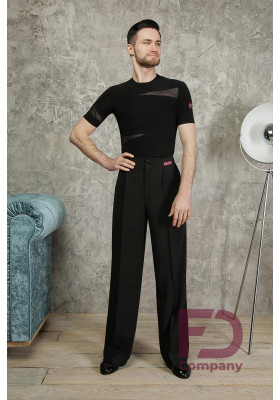
Men Ballroom Pants 09
$136.00US
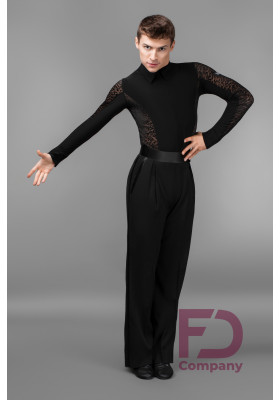
Men Latin Dress Shirt 06 Black
$123.25US
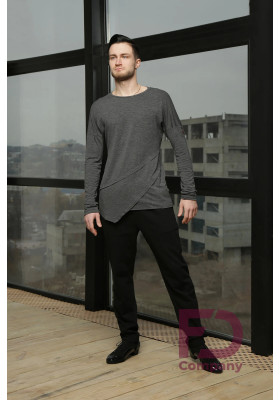
Shirt 01
$98.60US
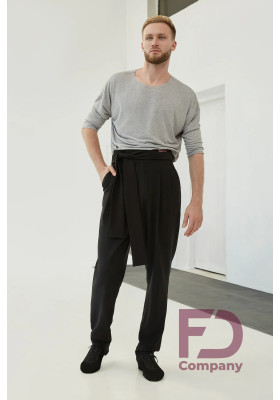
Men Latin Pants 03
$187.00US
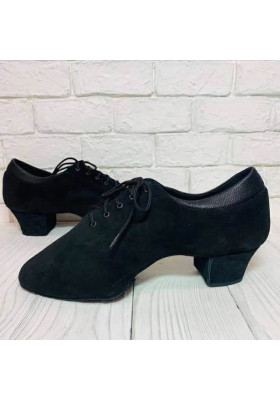
Galex - Black Nubuck - Heel 4cm
$212.50US
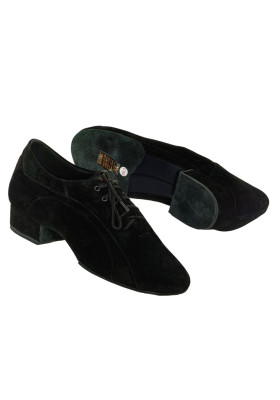
Galex - Black Nubuck - Heel 2cm
$212.50US
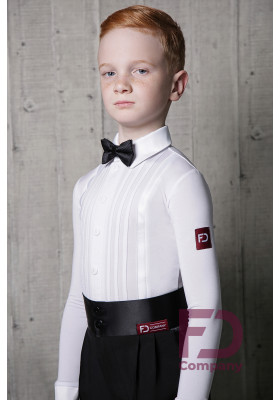
Men Ballroom Dress Shirt 08 White
$204.00US