


- 16 August, 2026
- 132
- 0
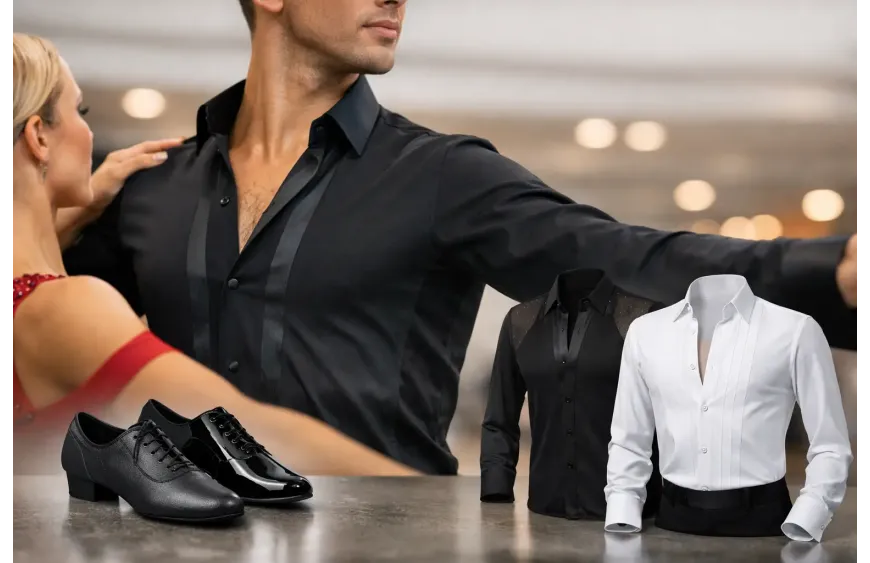
A shirt that looks sharp while standing still can become a distraction the moment you take hold. The best men's ballroom dance shirts keep their shape through rotation, allow a full frame, and help you feel appropriately dressed whether you are beginning social lessons or preparing for a DanceSport event.
For male dancers, the right shirt is not simply formalwear borrowed from another occasion. Ballroom movement asks for shoulder mobility, comfort at the waist, a clean silhouette, and fabric that stays presentable after a long class or multiple heats. The best choice depends on what you dance, where you dance, and how polished the occasion needs to be.
Start With the Dance Style and Setting
Ballroom is a broad category, and a shirt that works beautifully for a smooth foxtrot may not be the natural choice for a fast Latin routine. Before choosing color, collar, or trim, consider whether you need a practice shirt, a social-dance option, or a competition-ready garment.
For standard ballroom and American smooth, dancers often want a refined, uninterrupted line. A classic long-sleeve dance shirt in black, white, or another understated shade works well for lessons, socials, showcases, and many performance settings. The goal is to complement the partnership rather than pull attention away from it. A well-fitted shirt also makes it easier for an instructor or judge to see your posture, frame, and body action.
Latin and rhythm dancers can generally bring more personality to their shirt choice. A fitted stretch shirt, open neckline, subtle sheen, mesh panel, or carefully placed detail can suit cha-cha, rumba, samba, salsa, or bachata. That said, more decoration is not automatically better. For a newer dancer, a clean black Latin shirt with a flattering fit usually looks more intentional than a heavily embellished style that does not sit correctly.
At a casual social dance, comfort and polish matter more than costume-level detail. If you are attending a studio party, community dance, or regular practice night, choose a shirt that allows movement and feels breathable without appearing overly casual. Competition requirements can be more specific, particularly for youth divisions or formal standard events. Always check the rules for your event before selecting a shirt for the floor.
The Fit Details That Matter Most
A ballroom shirt should look tailored, but it should never restrict your dancing. The quickest way to test a shirt is to put it on, raise your arms as if creating your frame, rotate through your torso, and reach forward as though connecting with a partner. If the shoulders pull, the sleeves ride up sharply, or the shirt comes untucked immediately, the fit needs reconsidering.
Shoulder and Chest Mobility
Your shoulders need room to settle down and back without the shirt binding across the upper back. This is especially noticeable in standard ballroom, where maintaining a stable frame is central to the look and connection of the dance. Stretch fabrics and dance-specific cuts can provide useful freedom here, but the shirt should still lie flat rather than bunching at the chest or under the arms.
A shirt that is too large creates a different problem. Extra fabric can balloon during turns, obscure the body line, and make the overall outfit look less finished. Look for a close but comfortable shape through the chest and torso. If you prefer a relaxed fit, make sure there is still enough structure for the garment to look neat while moving.
Sleeve Length and Cuffs
Long sleeves are a dependable choice for ballroom, especially when you want a more formal appearance. The cuffs should reach the wrist without covering too much of the hand. Sleeves that are too short can look undersized in hold, while sleeves that are too long may bunch or interfere with your hands.
For Latin, short sleeves or fitted long sleeves can both work, depending on your personal style and the event. If you choose short sleeves, pay attention to the armhole. It should allow your arms to lift and move freely without gaping excessively or cutting into the underarm.
Length at the Waist
Ballroom shirts need enough length to stay in place through turns, dips, and arm actions. This is one reason a regular dress shirt is not always the easiest option for dance. A dance shirt may have a longer body, stretch content, or a cut designed to sit securely with dance pants.
Try the shirt with the pants and belt, if you will wear one, that you plan to use for dancing. The outfit needs to work as a system. A shirt that seems fine on its own may shift at the waist once you start moving across the floor.
Fabric Changes How You Feel on the Floor
Cotton blends can offer a familiar, crisp appearance, but pure cotton may feel restrictive or show perspiration more quickly during a busy practice. Stretch blends are popular because they move with the dancer and tend to recover their shape well. They are an excellent choice for regular classes, social events, and Latin styles where active body movement is part of the presentation.
For showcases and competition, performance fabrics can add a more elevated finish. Matte stretch fabrics create a clean, modern line, while satin, subtle shimmer, velvet, mesh, or textured details can add visual interest under lights. The trade-off is that statement fabrics require more careful coordination. Pair a detailed shirt with simple, properly fitted dance pants so the look remains balanced.
Breathability deserves just as much attention as appearance. A long practice session can be demanding, especially when the room is warm. If you tend to overheat, prioritize lightweight stretch fabric, comfortable seams, and a neckline that feels easy to wear. A shirt you can move in confidently will serve you better than one that looks impressive only for the first five minutes.
Choosing Color, Collar, and Detail
Black remains a versatile starting point for men’s dancewear. It works with most dance pants, photographs well, and suits practice, social dancing, and performance. White is traditional and elegant for formal ballroom, though it may require more frequent care. Deep jewel tones, rich burgundy, navy, and carefully selected metallic accents can be excellent options when you want more presence without losing sophistication.
The collar shapes the mood of the shirt. A traditional collar reads formal and polished. A band collar or V-neck often feels more contemporary and can work particularly well for Latin, salsa, or a showcase. Open-neck styles can be flattering, but they should remain secure enough to let you focus on your partner and choreography rather than adjusting your clothing.
Details such as rhinestones, contrast trim, mesh inserts, or sheen can be effective for competition and performance. They are less necessary for weekly lessons. Think about viewing distance: fine details may be nearly invisible from across a ballroom, while a strong fit and intentional silhouette are noticeable everywhere.
Pair the Shirt With the Right Dance Pants
A great shirt can lose its impact if it is paired with pants that restrict movement or break the line of the body. Ballroom dance pants are usually designed with a higher rise, a smoother front, and enough room for stride and rotation. For standard and smooth, a classic black trouser with a clean, elegant drape is a reliable choice. Latin pants are often more fitted and may feature stretch fabric to emphasize leg action.
Avoid jeans, cargo pants, and oversized casual trousers for most ballroom settings. They can limit movement, look bulky in partnership, and clash with the polished presentation of a proper dance shirt. Your shoes matter, too. Ballroom, Latin, social, and teaching shoes are built for different floor actions, so select footwear that matches the style you are dancing.
Practice Shirts and Performance Shirts Can Be Different
Many dancers benefit from having more than one shirt in their dance wardrobe. A simple, washable practice shirt takes the pressure off your eventwear and gives you an option for weekly classes. A more polished shirt can be reserved for socials, showcases, or competition days.
This approach also helps when you are still learning what feels best. You may discover that you prefer a higher collar for smooth dancing, more stretch through the shoulders, or a more fitted waist for Latin. Your needs can change as your technique, confidence, and dance schedule grow.
Get Help When Fit Is Uncertain
Sizing varies by brand, fabric, and cut, so do not rely only on your usual shirt size. Check measurements carefully, especially across the chest, waist, shoulders, and sleeve length. If you are between sizes, the best choice depends on the fabric’s stretch and whether alterations are practical.
For Toronto and GTA dancers, personalized fitting can be especially helpful when you need a shirt for an upcoming event or are building your first proper dance outfit. Dancewear Champions can help match a shirt with suitable pants, shoes, and the level of formality your dancing calls for.
Choose a shirt that lets your technique show, supports the way you move, and makes you want to step onto the floor again. When your clothing feels right, it is easier to concentrate on the music, your partner, and the pleasure of dancing.
Tags Men ballroom dance shirts, Men ballroom dance pants, Men ballroom dance vest, men competition dancewear, men dancewear
Related Products
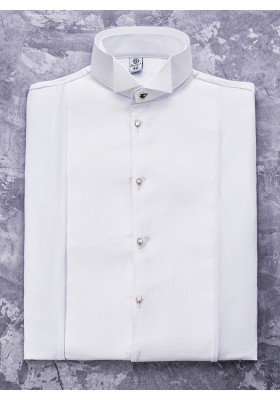
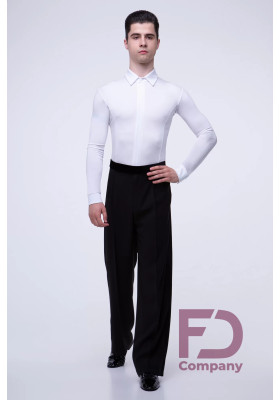
Men Ballroom Dress Shirt 06 White
$195.50US
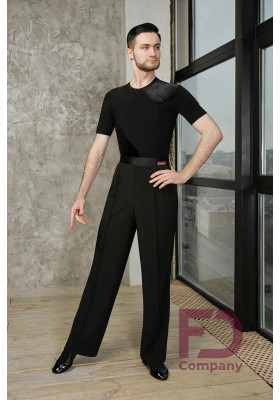
Men Ballroom Pants 07
$178.50US
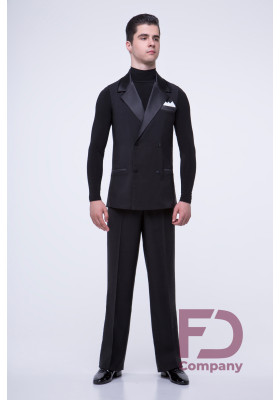
Men Ballroom Vest 04
$212.50US
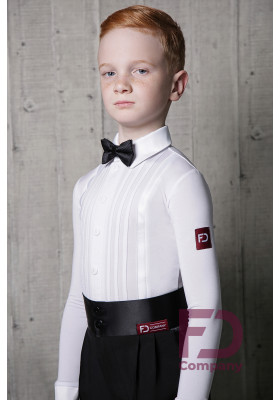
Men Ballroom Dress Shirt 08 White
$204.00US