


- 09 October, 2026
- 13
- 0
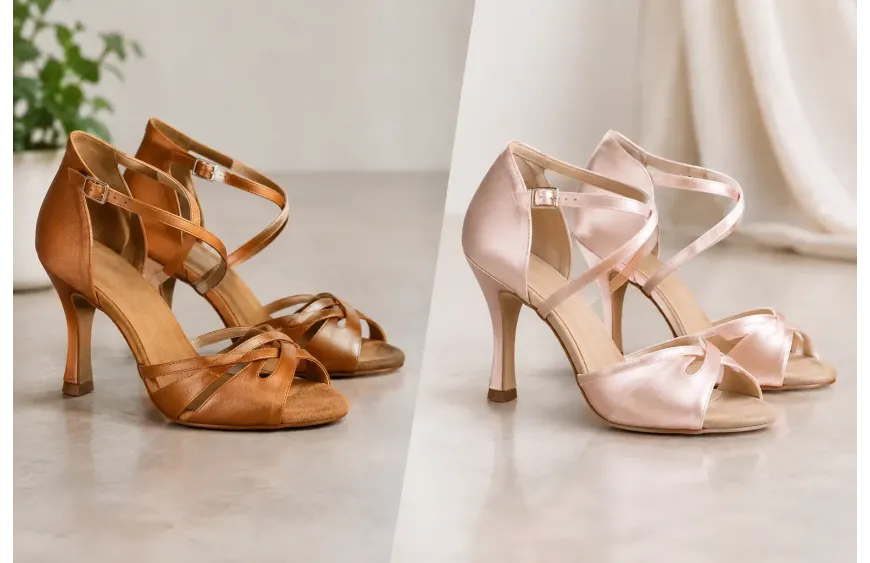
A shoe can feel perfect in a dance pose and completely wrong after an hour of turns, walks, and repeated weight changes. When choosing leather versus satin dance shoes, the best option is not simply the one that looks best in the mirror. Your dance style, how often you wear the shoes, your foot shape, and whether you are practicing, social dancing, teaching, or competing all matter.
Leather and satin are both established choices in ballroom and Latin footwear. They simply solve different problems. Leather generally favors longevity, support, and everyday versatility. Satin delivers a polished performance finish and is often preferred when presentation is part of the goal. Knowing the trade-offs helps you buy a shoe you will reach for, rather than one that stays in its box.
Leather Versus Satin Dance Shoes: The Main Difference
The material refers primarily to the shoe upper - the part that wraps around the foot. Both leather and satin dance shoes may have a suede outsole, which provides the controlled glide and grip dancers need on a suitable ballroom floor. Do not confuse an upper material with the sole material when comparing shoes.
Leather is a natural material that usually softens and adapts to the foot with wear. A quality leather shoe can feel structured at first, then become increasingly personalized as it breaks in. It tends to offer a more practical, understated appearance, especially in black, tan, or neutral shades.
Satin has a smooth, light-catching surface that creates a more formal look. It is common in ladies’ ballroom and Latin shoes, particularly styles selected for performances, showcases, and competitions. Satin can also be dyed to coordinate with a costume, although dyeing results depend on the shoe construction and dye used.
Neither material is automatically better. The right choice comes down to the job the shoe needs to do.
Choose Leather for Practice, Teaching, and Frequent Wear
Leather dance shoes are often the sensible first choice for dancers who attend regular classes, social dances, or long practice sessions. They are also popular with teachers who spend many hours on their feet and need footwear that looks professional without requiring delicate care.
A more forgiving fit over time
Leather usually has more capacity to mold to the foot than satin. This can be particularly helpful for dancers with a slightly wider forefoot, a prominent bunion area, or feet that swell during extended sessions. It should still fit correctly from the start. A shoe that is painfully tight will not become a good fit simply because it is leather.
For closed-toe ballroom shoes, leather can provide reassuring structure through the upper. For men’s standard and Latin shoes, it is a classic choice because it offers durability and a clean, refined line. Ladies may also appreciate leather practice shoes, teaching shoes, and lower-heel social styles when comfort and repeat wear are the priorities.
Better prepared for everyday use
Practice takes a toll on dance shoes. Repeated pressure through the ball of the foot, brushing feet during partner work, and trips in and out of the studio all leave their mark. Leather tends to handle this kind of regular use well when cared for properly.
Scuffs can still happen, particularly on light-colored shoes, but leather is generally easier to maintain than satin. Wiping away surface dust, allowing shoes to air out after use, and using appropriate leather care products can help preserve the upper. Keep leather shoes away from extreme heat, which can dry and stiffen the material.
When leather may not be your favorite
Leather can feel warmer and more substantial than satin. Some dancers who prefer a very lightweight, barely-there Latin sandal may find satin or another soft upper more appealing. Leather also has a less costume-ready finish, which may matter when you are dressing for a formal showcase or competition.
Choose Satin When Finish and Stage Presence Matter
Satin dance shoes are made for moments when the overall look is part of the performance. Under ballroom lighting, satin creates a soft sheen that complements dresses, competition costumes, and formal dancewear without appearing overly flashy.
A refined option for ballroom and Latin events
For ladies dancing ballroom, satin pumps and closed-toe styles can create an elegant, continuous line from the leg to the foot. In Latin, satin sandals are a favorite for dancers who want a delicate, polished look with their rhinestones, dresses, or coordinated accessories.
Satin is especially worth considering for competitions, showcases, weddings, formal social events, and photos. If you are building an outfit around a particular color story, a dyeable satin shoe may offer more flexibility than leather. Always plan ahead if color matching is essential, since dyeing can alter the feel and appearance of the fabric.
A lighter visual feel, with more careful handling
Satin can look wonderfully refined, but it is not as forgiving of dirt, moisture, or abrasion. A dropped drink, a wet sidewalk, or a crowded social dance floor can leave stains or snags that are difficult to remove. Even careful dancers may notice marks around the toe box, straps, and sides after repeated wear.
That does not mean satin is fragile or unsuitable for dancing. It means it deserves to be treated as occasion-focused footwear. Store satin shoes in a shoe bag, avoid wearing them outdoors, and put them on after makeup and body products have fully settled. If a spot appears, test any cleaning method on an inconspicuous area first rather than saturating the fabric.
Fit considerations with satin
Satin does not usually stretch and conform in the same way leather does. It may relax slightly with wear, but dancers should expect less adjustment. The fit should be secure across the forefoot and heel from the beginning, with no pinching or excessive pressure on the toes.
This matters in open-toe Latin shoes. Your toes should sit comfortably within the front straps rather than pushing far over the edge. A secure fit gives you better control during walks, swivels, and spins, while reducing the chance of the foot sliding forward.
Match the Material to Your Dance Style
The kind of dancing you do can make the decision much easier. Standard ballroom dancers often value the structure and durability of leather, especially for regular lessons and practice. A satin ballroom shoe may be the more suitable choice for a competition or formal event where visual finish matters.
Latin and salsa dancers have more flexibility. Leather sandals can be excellent for classes, social dancing, and practice because they are dependable and easier to maintain. Satin sandals can elevate a showcase or competition look, provided the fit is precise and the shoe is reserved for cleaner, more controlled settings.
For American smooth, consider how often you alternate between closed and open work, as well as the formality of your event. For social dancing, a lower heel and a material that tolerates frequent wear may serve you better than a shoe chosen only for appearance. Youth dancers and parents buying first dance shoes should usually prioritize fit, stability, and appropriate heel height before choosing between a satin and leather finish.
Fit Matters More Than Material
A beautiful shoe cannot compensate for poor fit. Whether you select leather or satin, your heel should feel held in place without rubbing, the arch should align naturally with your foot, and the straps or vamp should support rather than squeeze. Your toes need room to work, but the shoe should not allow the foot to slide around.
Try dance shoes on as you would wear them: with the correct hosiery, socks, or bare feet, depending on the style. Walk, rise onto the ball of the foot, and check your balance. If possible, mimic a small dance action. A shoe can feel comfortable standing still yet reveal a loose heel or compressed toe box as soon as you move.
Heel choice is equally important. A higher heel changes your weight placement and can create a longer leg line, but it also demands greater ankle strength and control. Beginners, returning dancers, and anyone dancing for several hours may be happier starting with a lower, stable heel. The material should support your purpose, not distract from it.
Make Each Pair Last Longer
Both materials benefit from good habits. Use a suede brush on suede dance soles to maintain consistent traction, and avoid wearing dance shoes outside, where pavement can quickly damage the sole. Let shoes air dry after dancing rather than leaving them in a closed bag or car.
Leather pairs may become your dependable workhorses, while satin pairs can stay fresh for special occasions. Many committed dancers eventually keep both: leather for lessons, practice, and regular social dancing, plus satin for events where a finished performance look matters.
If you are choosing your first pair or cannot decide between two fits, personalized fitting guidance can save a great deal of trial and error. Dancewear Champions can help dancers in the Toronto area compare heel heights, widths, straps, and materials in person. Choose the shoe that supports the way you actually dance most often - then let the finish reflect the occasion.
Tags satin dance shoes, leather dance shoes, Latin dance shoes, practice dance shoes, and social dance shoes, dancing needs.
Related Products
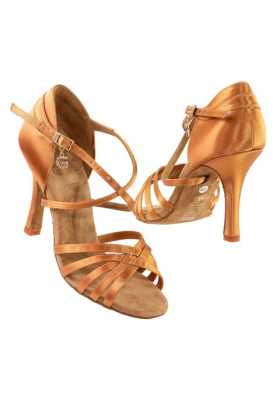

Galex - Black - Slim Heel
$233.75US

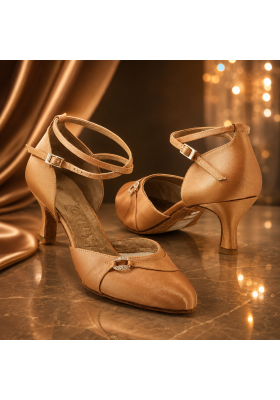
Galex - American Smooth
$212.50US
