


- 17 October, 2026
- 15
- 0
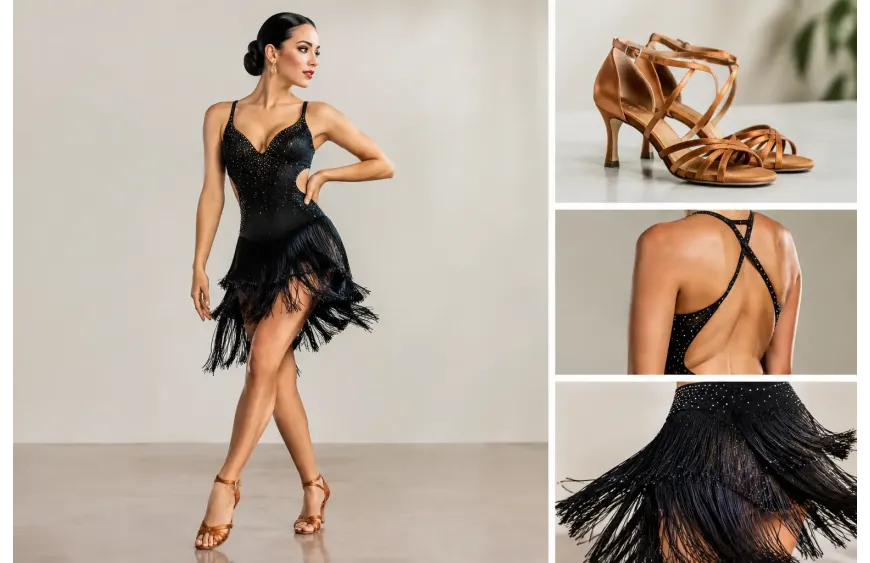
A Latin routine can change direction in a beat, drop into grounded Cuban motion, then finish with a sharp line under bright lights. Your clothing has to keep up without pulling, slipping, overheating, or distracting you from your partner. The right Latin performance wardrobe essentials are not simply about sparkle. They create freedom of movement, a secure fit, and a polished presentation that lets your dancing take center stage.
Whether you are preparing for your first salsa showcase, a social Latin night, a DanceSport competition, or a youth event, start with the requirements of the occasion. Practice clothing should be durable and easy to move in. Performance and competition attire needs more finish, more security, and closer attention to rules. The best wardrobe is one that supports both your current level and the way you actually dance.
Start With Movement, Then Choose the Look
Latin dancewear should follow the body without restricting it. Rumba walks, cha-cha locks, jive kicks, and samba action all expose clothing that is too stiff, too loose, or poorly placed. Before choosing color, fringe, rhinestones, or dramatic mesh, check that a garment allows you to twist through the torso, raise your arms, extend your legs, and settle into your hip action comfortably.
For women and girls, fitted dresses, skirts with bodysuits, dance tops, and Latin pants are practical starting points. A well-cut bodysuit is especially useful because it stays in place through turns and arm styling. A skirt may add movement and personality, but it should have enough stretch and a secure waistband so it does not shift during spins or fast footwork.
For men and boys, a fitted Latin shirt or dance top paired with proper dance pants gives a clean, intentional silhouette. Latin styling usually benefits from clothes that sit closer to the body than standard ballroom attire. That does not mean uncomfortable or overly tight. The goal is to show line and movement while leaving room to breathe, rotate, and dance full-out.
Fit is personal. Some dancers prefer a sleek, minimal look; others feel most confident in fringe, draping, or a fuller skirt. Try a few basic dance actions when assessing a garment. If you keep adjusting straps, tugging a hem, or worrying about coverage, it is not ready for the floor.
Latin Performance Wardrobe Essentials for Every Dancer
A complete wardrobe does not need to begin with a competition costume. A few dependable pieces can cover lessons, practice, social dancing, and early performances while making it easy to add specialized items later.
Proper Latin shoes come first
Dance shoes affect balance, foot articulation, turns, and the way a dancer connects to the floor. Latin shoes are designed for flexibility and controlled movement, with a sole that differs from a street shoe. They should feel secure through the arch and heel without pinching toes or forcing the foot into an unstable position.
Ladies often choose a sandal-style Latin shoe with straps that hold the forefoot in place. The heel height should match both skill level and comfort. A lower or broader heel can be a smart choice for a newer dancer, long social dance events, or anyone building confidence. A higher heel can create a longer leg line, but only when the dancer can maintain balance and use it safely.
Men's Latin shoes are typically flexible, close-fitting, and shaped to support fast weight changes. A dedicated Latin shoe is different from a ballroom standard shoe, which is generally built for a flatter, more gliding action. Children and youth dancers also need shoes chosen for their specific event requirements and growing feet, not simply a smaller version of an adult style.
Bring the socks, hosiery, or foot protection you plan to wear when trying shoes. A proper fit should feel supportive at the start, not like a shoe that needs to be painfully broken in. Shoe brushes, heel protectors where appropriate, and a dance bag help keep a performance pair ready for the next event.
A secure base layer prevents distractions
The pieces under a costume matter as much as the visible layer. Dance briefs, supportive undergarments, dance tights, and a well-fitted bodysuit can improve coverage and comfort without adding bulk. Choose underlayers that stay smooth under fitted fabric and allow the garment above to move naturally.
For costumes with open backs, mesh panels, deep necklines, or high leg lines, test the entire outfit in motion at home. Check it from the front, side, and back under bright lighting. What looks secure while standing can behave differently during a spin, dip, or high-energy jive sequence.
Youth dancers benefit from especially thoughtful coverage. Parents should look for garments that are comfortable, age-appropriate, and suitable for the rules of the event. When in doubt, a secure bodysuit or coordinated base layer gives a young dancer the confidence to focus on technique rather than costume worries.
Practice pieces build a useful wardrobe
A performance outfit should not be your only Latin outfit. Regular practice calls for clothing that can handle repeat wear and washing while showing the teacher or coach what your body is doing. Fitted tops, bodysuits, leggings, dance skirts, practice dresses, and Latin pants are all useful depending on the dancer and dance setting.
For a lesson or practice session, choose breathable stretch fabrics and layers you can remove as you warm up. A warm-up jacket, wrap, or loose top is helpful before class, but avoid bulky clothing once you need to see posture, rib placement, and leg action clearly. Social dancers may prefer a more relaxed version of the same formula: a movement-friendly top, a secure bottom, and proper dance shoes.
Having separate practice and performance clothing also protects your costume. Rhinestones, fringe, delicate mesh, and specialty finishes need more careful handling than everyday dancewear. Save those details for occasions where they can do their job.
Choose Details That Read Well on the Floor
Latin performancewear is expressive, but every detail should earn its place. Fringe can emphasize rhythm and hip action. Flowing fabric can add shape during turns. Rhinestones and reflective accents can catch stage lighting. Bright colors may stand out beautifully against a dark floor, while black can look striking when the cut, fabric, and finish are strong.
The trade-off is control. Heavy decoration can weigh down a garment, loose fringe can tangle, and oversized accessories can become uncomfortable during fast choreography. Test accessories with your full routine, including partner work. If an earring catches your hair or a bracelet strikes your partner's hand, choose a simpler option.
Hair accessories should also be secure rather than merely decorative. A polished bun, ponytail, or styled look can frame the face and survive movement when supported by reliable pins, elastics, and hair products. Pack extras for performance day. Small items are easy to overlook until one goes missing right before you step on the floor.
Match Your Wardrobe to the Occasion
There is no single correct Latin outfit because the right choice depends on where and why you are dancing. A salsa social, a studio showcase, a Latin competition, and a youth DanceSport event may all call for different levels of formality and different garment details.
For social dancing, comfort and durability usually lead. You may dance for several hours, so breathable fabric, stable shoes, and a look that feels like you are still yourself matter more than elaborate decoration. For a showcase, coordinate your clothing with the choreography and music without sacrificing movement. For competition, review event regulations well before the date, particularly for juvenile and youth categories. Rules can affect acceptable fabric, embellishment, cut, and accessories.
Partner coordination can be effective, but matching does not have to mean identical. A shared color accent, complementary texture, or coordinated level of formality often looks more refined than two outfits competing for attention. Most importantly, both dancers should be able to move comfortably and confidently.
Prepare a Performance-Day Kit
Performance confidence often comes down to small preparations. Keep your shoes, outfit, underlayers, hair accessories, and any required touch-up items together in a dedicated dance bag. Add safety pins, fashion tape if appropriate for your garment, spare straps or closures, a small sewing kit, extra hosiery, and a shoe brush.
Try on the full outfit before event day, including shoes and accessories. Move through your biggest steps, turns, arm lines, and partner connections. This rehearsal identifies rubbing shoes, sliding straps, hems that catch, and accessories that need adjustment while there is still time to solve the problem.
A great Latin wardrobe should make you feel prepared, not precious. Build it gradually around correct shoes, secure dancewear, and pieces that fit your body and your goals. If you need help comparing fit, heel options, or performance-ready styles, Dancewear Champions can help dancers and families choose with more confidence before the music starts.
Tags Latin dance, Latin performance wardrobe essentials, Latin shoes
Related Products
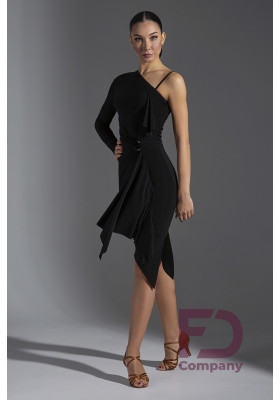
Latin Dress 48
$187.00US
Sale
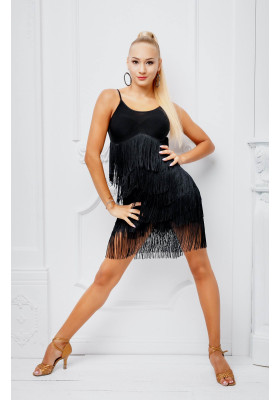
Latin Dress 40
$212.50US $144.50US
Sale
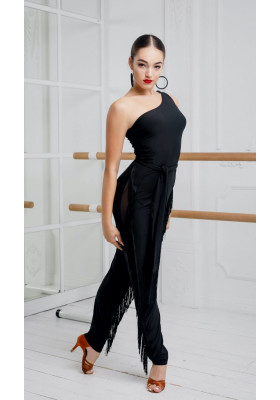
Latin Dress 37 Black
$233.75US $118.15US

Sale
Latin Dress 01 Trigone
$340.00US $297.50US

Sale
Latin Dress 35 Black
$255.00US $126.65US