- 12 August, 2026
- 343
- 0
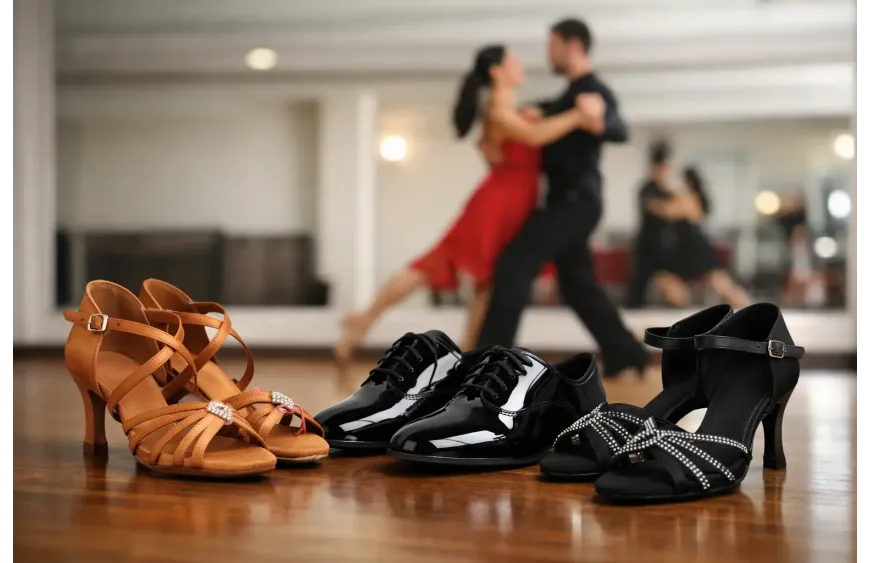
A turn that feels effortless in the studio can feel sticky, unstable, or painful in the wrong footwear. Proper latin dance shoes are designed to let the foot point, articulate, pivot, and stay connected to a partner while giving the dancer a polished line. Whether you are attending your first salsa class, building confidence in bachata, or preparing for a Latin competition, the right pair changes how dancing feels from the first basic step.
What Makes Latin Dance Shoes Different?
Latin shoes are built for movement in rhythm dances such as cha-cha, rumba, samba, jive, salsa, and bachata. Their defining feature is usually a suede sole. Suede provides controlled glide on a proper dance floor, allowing the foot to pivot without the grip and strain created by most street shoes. It also gives enough traction for a dancer to push from the floor with confidence.
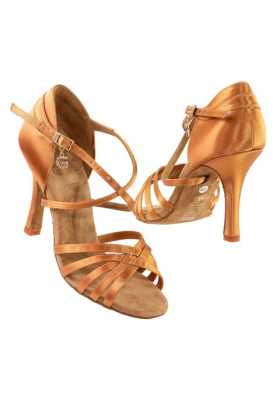
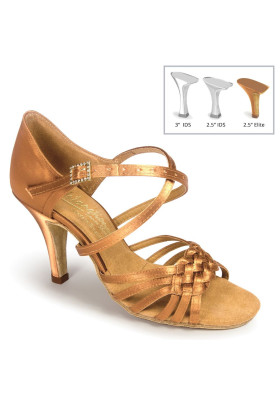
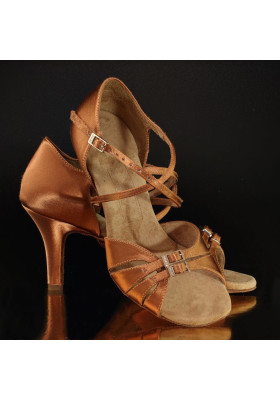
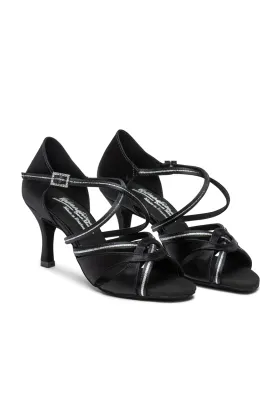
Ladies' Latin styles are often open-toe sandals with straps across the forefoot and ankle. The open design shows a pointed toe and makes it easier to create a clean foot line. Men's Latin shoes are commonly low-profile lace-up styles with a close fit, flexible construction, and a heel that supports Latin posture and weight placement. Youth shoes may use secure straps, lower heels, and competition-appropriate designs suited to developing dancers.
The flexibility that makes these shoes beautiful is also why fit matters so much. A Latin shoe should feel more like a supportive extension of the foot than a loose dress shoe. It is not intended for outdoor wear, long walks, or pavement between venues.
Choosing Latin Dance Shoes for Your Dance Style
The best choice depends on where and how you dance. A shoe that feels perfect for a weekly social may not be the right choice for a full day of competition, and a beginner often needs a different starting point than an experienced performer.
Salsa and bachata
For salsa and bachata, many dancers prefer a flexible sandal or shoe that makes quick directional changes easy. A secure ankle strap is especially useful when you are learning spins or dancing in a crowded social setting. If you are new to heels, start with a lower, broader heel rather than choosing height for appearance alone. Stability helps you relax into the music, which is far more valuable than struggling to balance all evening.
Salsa floors can vary greatly. A suede sole works beautifully on a clean wood floor, while a worn, dusty, or unusually textured venue may feel different. Bring a shoe brush and check the sole before dancing. If the suede becomes packed down, the shoe can lose the controlled grip that makes it perform well.
Ballroom Latin and competition dance
Competitive Latin dancing asks a great deal of footwear. The shoe must support fast weight changes, sharp turns, pointed feet, and long practice or event days. Ladies often choose a close-fitting sandal with a heel height they can control consistently. Men generally benefit from a secure lace-up Latin shoe that keeps the foot aligned while allowing the ball of the foot to work freely.
Competition shoes should complement the costume and rules of the event, but performance comes first. A shoe that slips at the heel, pinches the toes, or shifts during a spin will distract from technique. Dancers who compete regularly may keep more than one pair: a reliable practice pair and a cleaner pair reserved for performances.
Practice, teaching, and social dance
A teaching or practice shoe can be a smart choice when you spend several hours on the floor. These styles often offer more coverage, cushioning, or a lower heel while still maintaining a dance-friendly sole. They are particularly useful for instructors, social dancers, and anyone returning to dance after time away.
A practice shoe is not less serious than a competition sandal. It simply answers a different need. If your feet are fatigued after class, a supportive practice style may help you train more consistently while you build the strength and technique for a higher or more minimal shoe.
How Latin Dance Shoes Should Fit
Dance shoes should fit snugly, but they should not create sharp pain, numbness, or cramping. Because many dance materials soften and give with wear, a shoe that begins too roomy can become unstable quickly. At the same time, forcing the foot into an undersized shoe will not produce a better line. It will only limit movement.
For open-toe ladies' shoes, the toes should sit near the edge without hanging over it. The forefoot straps should hold the foot in place without digging in. Check that the ankle strap lies flat and that the heel cup does not slip when you rise onto the ball of the foot. Take a few small steps, point your foot, and test a controlled turn if space allows.
For closed men's Latin shoes, the heel should feel secure, the laces should let you adjust the instep, and the toes should have enough room to spread naturally as you shift weight. A shoe that feels fine while seated can reveal pressure points after several minutes of dancing, so always assess fit while standing and moving.
Feet can swell later in the day, particularly after work or exercise. If possible, try shoes when your feet are at a realistic dancing size. Wear the type of hosiery, socks, or foot protection you plan to use in class. Small details can change the fit substantially.
Heel Height Is a Technique Choice
A higher heel can lengthen the leg visually and encourage the elevated posture associated with Latin dance. It also moves the body’s weight forward, which can be helpful when a dancer has the technique and ankle strength to use it well. It is not automatically better.
Beginners usually progress faster in a heel that feels stable. A lower heel allows you to focus on rhythm, foot placement, and partnership instead of guarding against a wobble. Wider heels offer more surface contact, while slimmer heels create a more delicate look but demand greater control. Your height, foot strength, dance experience, and the amount of time you spend on the floor all matter.
If you are moving up in heel height, do it gradually. Practice at home or in a short class before wearing a new height for a social or showcase. The goal is to make the shoe disappear from your attention, not to make every step feel like a test.
Details That Make a Real Difference
When comparing styles, look beyond color and sparkle. The right construction will be felt in every class.
- A suede outsole supports smooth pivots and is intended for indoor dance floors.
- Adjustable straps help accommodate changes in the forefoot and create a more secure fit.
- A well-shaped heel cup reduces slipping and helps the shoe move with the foot.
- Flexible uppers allow pointed feet and natural articulation without feeling loose.
- Cushioned insoles can add comfort during long practice sessions or social events.
Material also affects the experience. Satin offers a classic competition look and can often be customized for a costume, while leather may feel durable and mold gradually to the foot. Flesh-toned styles can create a long leg line, while black or darker shades offer versatility for practice and social wear. The best option is the one that suits your intended use and feels dependable under pressure.
Care for the Sole, and It Will Care for Your Dancing
Suede soles need occasional attention. Brush the sole with a dance shoe brush to lift the nap and remove dirt, especially when the shoe begins to feel slick. Keep your shoes in a bag rather than tossing them loose into a dance bag, where the suede can collect debris or catch on accessories.
Avoid wearing Latin shoes outside. Concrete, asphalt, moisture, and salt can quickly damage the sole and shorten the life of the shoe. Change into them at the studio or venue, then change out before leaving. If you dance frequently, rotating between two pairs can help each pair dry fully and maintain its shape.
Get Help Before You Commit
Shoe sizing varies by style, material, and brand, so the number printed on the box is only a starting point. If you are unsure about heel height, width, toe shape, or whether a practice shoe would serve you better than a sandal, personal fit guidance is worthwhile. Local dancers can arrange an in-person fitting with Dancewear Champions in Thornhill to compare styles while standing, walking, and moving as they would on the dance floor.
Your first pair does not need to solve every future dance need. Choose a pair that makes you feel stable enough to practice, comfortable enough to stay for the next song, and confident enough to take the floor. As your technique grows, your ideal Latin shoe may change with it.
Tags Latin dance shoes, women Latin dance shoes, salsa dance shoes, bachata dance shoes, dancing shoes
Related Products
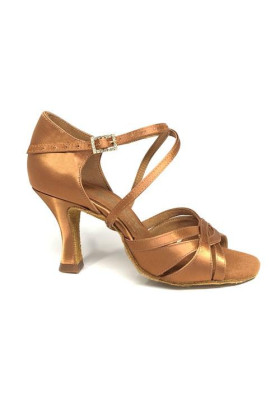
IDS - Mia - Tan Satin - 2.5" heel
$207.40US
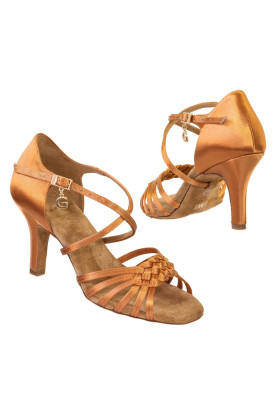
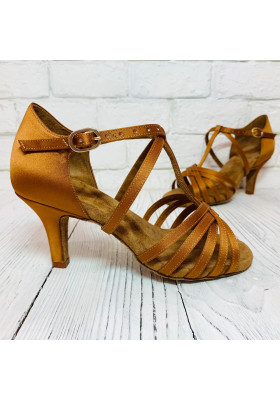
Galex - Emma-T-Bar - Tan-Satin
$202.30US