


- 20 September, 2026
- 12
- 0
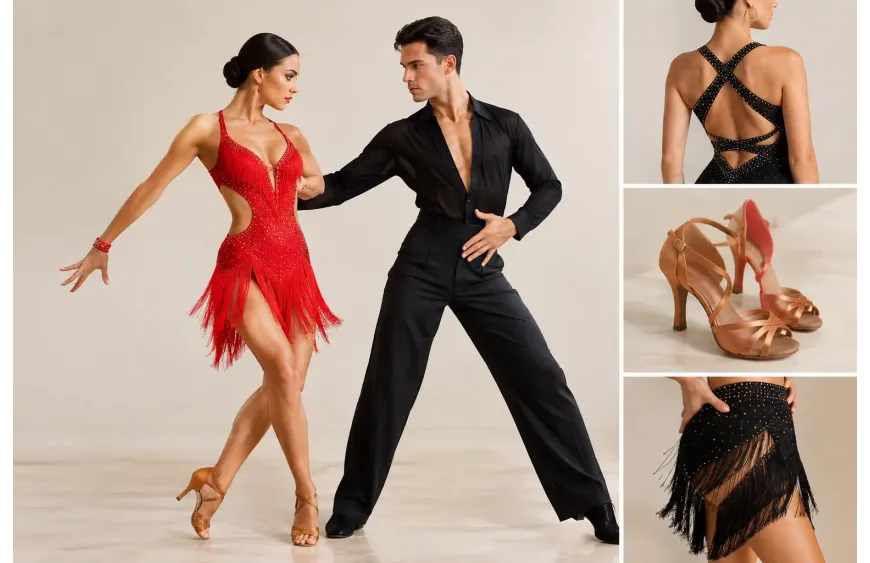
A sharp Latin outfit can change how a dancer feels before the first count begins. The right Latin apparel is not simply about sparkle or style. It needs to support quick weight changes, hip action, turns, arm lines, and the confidence to move without adjusting your clothing between figures.
For a first social dance class, that may mean a breathable top and flexible pants or skirt. For a showcase or DanceSport competition, it may mean a garment designed to create movement, emphasize rhythm, and look polished under bright lights. The best choice depends on where you dance, how often you dance, and what you need your clothing to do.
What Makes Latin Apparel Different?
Latin dancewear is built for motion that is often fast, grounded, and expressive. Cha-cha, rumba, samba, jive, salsa, bachata, and related styles ask dancers to move through the torso and hips while maintaining clear lines through the legs, feet, and arms. Clothing that is too stiff, loose, heavy, or slippery can get in the way.
A well-chosen Latin outfit usually has stretch, a secure fit, and visual movement. Fringe, layered skirts, asymmetrical hems, mesh panels, rhinestones, and open-back details are common because they respond to the dancer's body and help movement read from a distance. Those details are not required for every setting, though. A comfortable practice outfit is often the better choice for a weekly class or long rehearsal.
Fit matters as much as design. A garment should stay in place when you raise your arms, rotate through the ribs, sit into a Latin walk, or complete a spin. If you constantly tug at a neckline, waistband, or hem, the piece is not working hard enough for you.
Choose for the Dance Setting First
The most useful way to shop for Latin dance clothing is to start with the setting rather than the trend. Practice, social dancing, performances, and competitions each call for a slightly different level of detail and formality.
Practice and Teaching
Practice wear should make movement easy and allow instructors or partners to see your body placement. For women, fitted tops, bodysuits, leggings, practice skirts, and dance pants are practical choices. A skirt can help you see and feel Latin action, while pants may feel more comfortable for drills, private lessons, or a full evening of dancing.
For men, a fitted dance shirt or T-shirt with stretch dance pants creates a clean line without restricting the upper body. Avoid overly baggy shirts or regular street jeans. Loose fabric can hide technique, while denim often limits movement and becomes uncomfortable quickly.
Teaching and practice apparel should be durable enough for repeated wear and washing. This is where breathable fabrics and reliable construction matter more than elaborate decoration. Many dancers build a small rotation of quality basics rather than relying on one outfit for every class.
Social Dancing
Social Latin dancing gives you more freedom to show personality, but comfort still leads. A flattering skirt, dress, or dance pant can feel festive without being overly formal. Men may choose a polished shirt with Latin pants, depending on the venue and their preferred level of dress.
Consider the practical details. Will you be dancing for several hours? Is the room warm? Does the fabric breathe? Can you move confidently with a partner? A dramatic sleeve or very full skirt may look wonderful, but it can become distracting in a crowded social setting.
It also helps to choose layers for travel and warm-up. A light wrap, warm-up top, or dance jacket keeps muscles warm before you begin and gives you an easy option between dances.
Showcases and Performances
For a performance, your Latin apparel needs to project. Stage lighting can wash out pale colors and subtle textures, so color contrast, stones, fringe, and shaped silhouettes can make a difference. The goal is not to wear the most decoration possible. It is to select details that support the choreography and suit the dancer.
Fringe creates visible rhythm in cha-cha and jive. Flowing fabric can complement rumba or bolero. A sleek, close-fitting design may suit a sharper salsa number. Test the full outfit during rehearsal, including spins, dips, floor work, and lifts if they are part of the routine. A costume that photographs beautifully but twists during a turn needs adjustment before performance day.
Competition
Competition-ready Latin attire adds another consideration: rules. Dress codes can vary by age group, category, and event, particularly for juvenile and youth dancers. A garment that is suitable for an adult open event may not be permitted in a younger category.
Parents and youth dancers should check event requirements before selecting competition clothing. Focus on secure construction, appropriate coverage, and a fit that lets the dancer perform freely. Juvenile competition dresses should be age-appropriate while still giving the dancer a polished, confident presentation.
For adult competitors, a Latin dress or coordinated shirt-and-pant look should support the character of the dance without overwhelming the dancer's proportions or movement. A knowledgeable dancewear specialist can be especially helpful when selecting a first competition outfit or checking fit before an event.
Finding the Right Fit and Fabric
The most beautiful outfit is not the right one if it limits your dancing. When trying on Latin clothing, move in it. Lift both arms, rotate your torso, take a few walks, bend your knees, and turn. Pay attention to where the garment pulls, shifts, or gaps.
Stretch fabrics with recovery are particularly useful because they move with the body and return to shape. Mesh can offer breathability and visual interest, while lining may provide coverage and help a garment sit smoothly. Fringe and stones add impact, but they also add weight and require more care. That trade-off may be worthwhile for a showcase or competition, but less practical for a regular Tuesday night class.
Sizing should be based on measurements, not just the size you typically wear in everyday clothing. Dancewear sizing can vary between brands and garment types. A fitted bodysuit, high-waisted skirt, and Latin pant may each fit differently even within the same label. Use size charts carefully, and ask for guidance if you fall between sizes or need a more inclusive fit option.
Build a Latin Dance Wardrobe That Works
You do not need a closet full of costumes to be prepared. Most dancers benefit from a practical foundation that can grow with their schedule and goals. Start with dependable practice pieces, then add a social outfit or performance look when the occasion calls for it.
A functional wardrobe often includes fitted tops or shirts, dance pants or leggings, a skirt or dress option, warm-up layers, and garments suited to your preferred dance environment. Dancers who perform regularly may also want a dedicated costume bag, garment cover, hair accessories, and care items for stones, shoes, and fabrics.
Footwear belongs in the same conversation. Latin shoes are designed to help with foot articulation, connection to the floor, and the controlled turns common in these styles. Your outfit and shoes should work together. A polished Latin dress paired with shoes that pinch, slide, or lack support will not feel complete on the floor.
Details That Help You Dance With Confidence
Small choices can make a major difference. Choose undergarments that remain invisible and secure under your costume. Bring backup items such as clear straps, fashion tape, spare hair pins, or a simple cover-up for travel. If you wear a new piece to an event, rehearse in it first rather than saving it for the day of the performance.
Care also protects your investment. Hang dresses and skirts carefully, keep fringed or stoned pieces from catching on rough surfaces, and follow fabric-care instructions. Allow shoes and clothing to air out after dancing, especially after long practice sessions or competitions.
For dancers in Toronto and the GTA who prefer to assess movement and fit in person, Dancewear Champions can provide the kind of one-to-one guidance that is difficult to get from a label alone. A proper fitting helps you distinguish between a garment that looks good standing still and one that truly performs.
Your Latin apparel should let your technique, musicality, and personality come through. Choose the pieces that stay comfortable through the final song, move when you move, and leave you free to focus on the dance rather than the outfit.
Tags Latin apparel, Latin practice wear, showcases wear, competition dresses, men latin dancewear, women latin dancewear, latin skirt, latin leotard, latin pants. latin bodysuits