


- 05 October, 2026
- 11
- 0
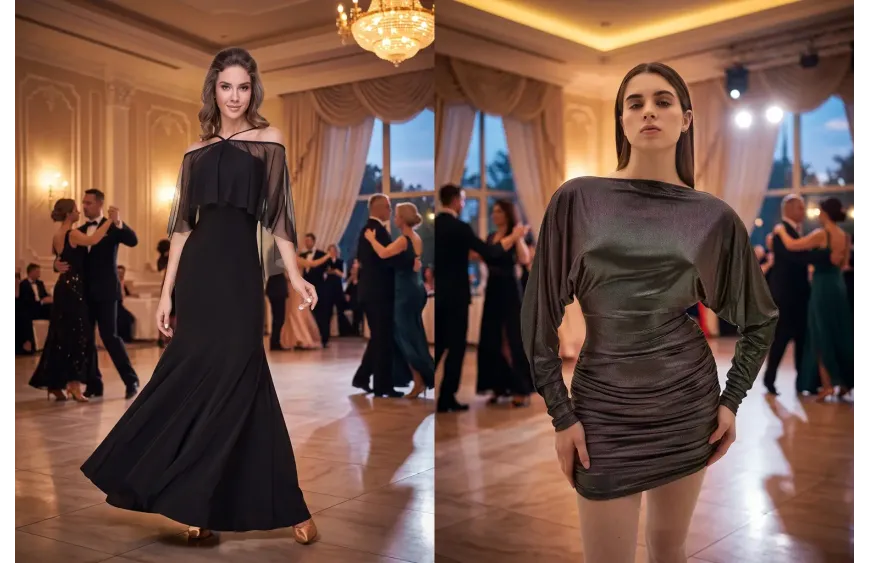
A costume can look striking under studio lights and still become a distraction the moment the music starts. A skirt that catches at the knee, a bodysuit that shifts through a turn, or a sleeve that limits a frame can pull focus from the dancing. The best performance costumes support the movement first, then add the color, sparkle, and silhouette that make a dancer memorable.
For ballroom, Latin, salsa, ballet, gymnastics, and showcase dancing, the right choice depends on more than personal taste. Your dance style, event requirements, partner connection, comfort level, and the distance between you and the audience all matter. A garment that works beautifully for a Latin routine may not provide the line or volume needed for a standard ballroom number.
What Performance Costumes Must Do on the Floor
A true dance costume is designed to be seen in motion. It should follow the body without pulling, stay in place through repeated movement, and create a clear visual effect when a dancer spins, extends, or changes direction. That is different from simply wearing formal clothing to dance.
Fit is the starting point. A costume should feel secure at the shoulders, bust, waist, and hips without compressing the torso or restricting the breath. Dancers need to lift their arms, rotate through the back, take full steps, and maintain posture. If you cannot comfortably do those things during a fitting, the garment is unlikely to feel better after several rounds on the floor.
Fabric matters just as much. Stretch fabrics can offer useful recovery for Latin, rhythm, salsa, and active showcase choreography. Mesh panels may add coverage while preserving a light appearance. Flowing chiffon can create beautiful movement for ballroom, smooth, lyrical, or ballet-inspired pieces, but it needs to be placed carefully so it does not interfere with footwork or a partner connection.
Details should be considered from a dancer's viewpoint, not only a mirror's viewpoint. Fringe, rhinestones, feathers, appliqués, and drapes all create impact, yet every detail adds weight or movement of its own. A fringed Latin dress can emphasize hip action, while too much fringe around the arms may make clean lines harder to see. The goal is purposeful decoration, not decoration everywhere.
Match the Costume to Your Dance Style
Latin, Rhythm, Salsa, and Bachata
Latin and rhythm costumes often favor body-conscious shapes, stretch, and lively details that react to fast footwork and rhythmic action. Short skirts, asymmetrical hems, fringe, open-back designs, and strategic mesh can all suit the energy of the style. The costume should allow clear leg action and free movement through the hips and rib cage.
For social salsa or bachata performances, comfort may take priority over heavy embellishment. You may be dancing in a warmer room, moving close to a partner, or performing several routines in one night. A secure bodysuit with a lightweight skirt overlay can offer a polished look without feeling overbuilt.
Men's Latin costumes typically need a close but flexible fit through the torso and sleeves. A shirt that is too loose can hide body action, while one that is too tight can restrict the back and shoulders. Stretch shirts, fitted dance pants, and carefully selected accents usually provide a sharper result than standard dresswear.
Ballroom and American Smooth
Ballroom and smooth costumes use movement differently. A full skirt, floats, chiffon drapes, or soft layers can make a rise-and-fall action look larger and more elegant from across the room. The dress should move when you turn, but it should not twist around the body or catch under the heel.
Think about the frame before choosing sleeves, floats, or shoulder embellishment. These areas need to complement the arms and upper body without tangling in a partner's hand or obscuring the connection. For dancers who are new to standard or smooth, a simpler gown or practice-to-performance dress can be easier to manage than dramatic floats.
Men's ballroom attire should create long, clean lines while allowing a full frame. Properly fitted dance pants are especially important because ballroom movement includes long strides, lowering actions, and repeated turns. A waistband that shifts or fabric that binds at the thigh can change how confidently a dancer moves.
Ballet, Gymnastics, and Youth Performances
For ballet and youth dance, performance wear must balance presentation with dependable coverage and age-appropriate design. Leotards, skirts, tutus, unitards, and costume pieces should fit securely enough for jumps, extensions, and floor work. Check that straps stay in place and that the dancer can move from plié to arabesque without needing adjustments.
Parents should allow time for a full movement check at home before performance day. Have the dancer raise both arms, bend, jump lightly, sit, and rehearse the largest movement in the routine. This is also the time to confirm that tights, underlayers, hair accessories, and shoes work together comfortably.
Choose Color and Detail for the Venue
The same costume can look very different under natural light, studio lighting, and competition spotlights. Deep colors often read well from a distance, while pale shades may need contrast, layering, or embellishment to remain visible. Black can be elegant and versatile, but a black costume against a dark stage may benefit from sparkle, mesh contrast, or a bright accessory.
Consider the music and choreography before selecting a color. A romantic waltz, a sharp cha-cha, and a theatrical showcase do not need to look alike. Color can support the feeling of a routine, but it should not become a costume concept that fights the dance.
Crystals and reflective trim can bring a garment to life under lights. They are most effective when they emphasize shape: along a neckline, through the waist, down one side of a skirt, or around a back detail. Dense embellishment can be beautiful for competition, but it also requires more care and may not be necessary for every recital, social performance, or first showcase.
Check Rules Before You Fall in Love With a Look
Competition and studio requirements may limit colors, cutouts, fabric effects, embellishment, or skirt length, particularly for juvenile and junior dancers. Categories can also have different expectations based on age group and discipline. A costume that is appropriate for an adult showcase may not meet youth competition rules.
Read the event information early, and ask a teacher or organizer when a rule is unclear. This step is especially useful when ordering a costume for a first DanceSport event. It is easier to refine a look before alterations or accessories are added than to make a last-minute replacement.
For partnered dancing, coordinate rather than match exactly. A couple's outfits should look intentional together, but identical colors or too many competing details can flatten the overall picture. Often, one dancer's costume can carry the stronger color while the other uses a complementary tone or a quieter accent.
Get the Fit Right Before the Event
Performance costumes should be tried on with the undergarments, dance shoes, and accessories you expect to wear. Heel height changes posture and hem length, while a different bra or bodysuit can alter the fit of a neckline or back. If you wear ballroom shoes, Latin sandals, ballet slippers, or jazz shoes, use the correct pair for every fitting.
Move through a short rehearsal in the costume. Practice a turn, a lunge, a high arm line, a partnered hold, and any floor-level choreography. Notice whether the hem catches, the neckline stays secure, and the fabric returns to place after movement. Small discomforts become much larger after a full day of travel, warm-up, waiting, and performance.
Alterations can make a good costume feel custom, but they should preserve stretch and movement. Avoid taking in a garment so tightly that seams strain when you breathe or lift your arms. If a costume needs substantial changes, professional guidance can help you decide whether the piece is the right starting point.
Plan for Care, Backup, and Confidence
Costumes perform best when they are treated as specialized garments. Hang them properly, transport them in a garment bag, and keep embellishments away from rough surfaces. Allow the garment to air out after use, and follow its care instructions rather than assuming it can be washed like everyday clothing.
For an important event, bring practical backups: extra tights, a spare hair accessory, fashion tape if appropriate for the garment, and a small repair kit for loose hooks or stones. These are not glamorous details, but they can protect a dancer's calm when the schedule is busy.
The right costume should make you feel prepared before the first count begins. Whether you are choosing a first showcase outfit, a juvenile competition dress, or a statement look for ballroom or Latin competition, start with movement and fit. At Dancewear Champions, knowledgeable guidance can help Toronto-area dancers and families find performance-ready pieces that suit the routine, the rules, and the person wearing them.
Tags performance costumes, Latin costumes, Rhythm costumes, Salsa costumes, Bachata costumes, Ballroom costumes, American Smooth costumes
Related Products

Sale
Latin Performance Dress 06
$680.00US $339.15US

Performance Ballroom Dress 04
$1,530.00US

Sale
Performance Latin Dress 03
$1,700.00US $1,274.15US

Performance Ballroom Dress 06
$1,274.15US

Sale
Performance Ballroom Dress 08
$2,975.00US $1,954.15US
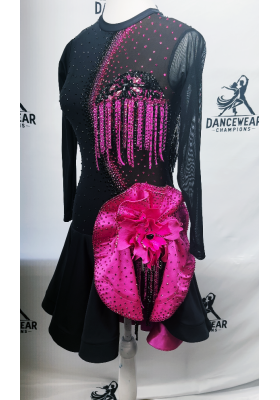
Performance Latin Dress 14
$1,530.00US
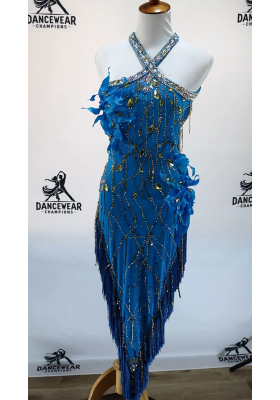
Sale
Performance Latin Dress 16
$1,275.00US $680.00US