- 10 November, 2026
- 11
- 0
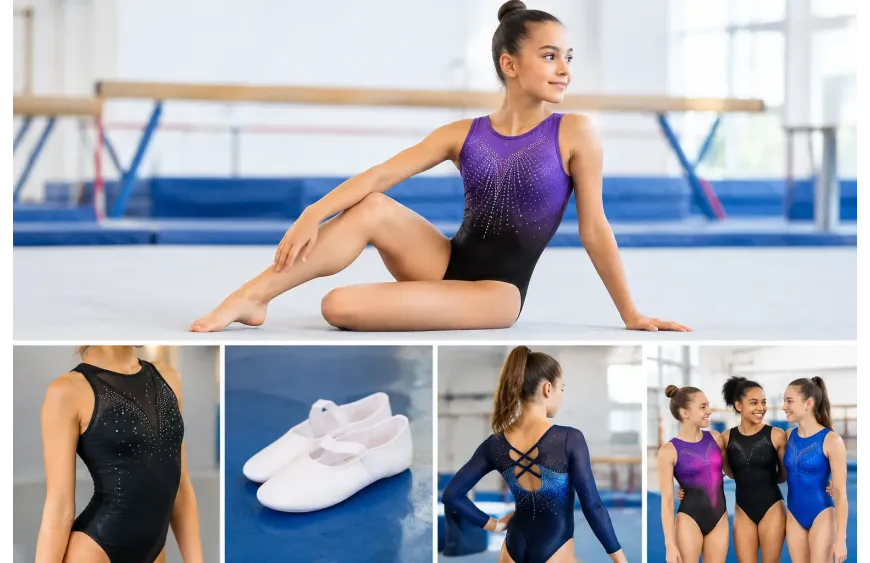
A gymnast should be thinking about hand placement, body position, and the next skill - not pulling at a waistband or adjusting a shoulder strap. This gymnastics apparel guide focuses on the clothing details that make practice more comfortable, movement more secure, and meet preparation far less stressful for gymnasts and parents.
The right garment is not simply one that looks good on the rack. It needs to stay close to the body during inversions, allow a full range of motion through the shoulders and hips, and stand up to repeated stretching, washing, and active training. What works best can also depend on the gymnast's age, program, gym rules, and whether they are dressing for a recreational class, regular practice, or a competition.
Start With the Right Training Leotard
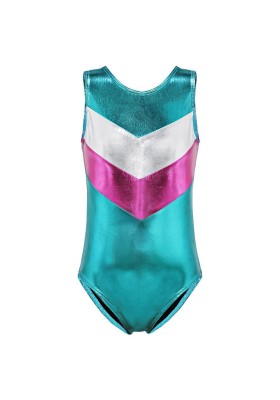
For most girls and young gymnasts, a fitted leotard is the foundation of practice apparel. It gives coaches a clear view of body lines and alignment, while reducing the loose fabric that can catch, shift, or become distracting on bars, beam, floor, and vault. A well-fitted leotard should lie smoothly across the torso without digging into the shoulders or riding up through the leg openings.
Sleeve length is largely a matter of comfort and gym expectations. Tank and cap-sleeve leotards are popular for everyday classes because they feel light and unrestricted. Long-sleeve styles offer more coverage and can feel especially comfortable in a cooler gym, though some gymnasts prefer them mainly for competition. A gymnast who dislikes the feel of a sleeve should not be forced into one for practice unless the program requires it.
Boys typically train in a fitted gymnastics top or singlet with athletic shorts, depending on their level and the gym's dress code. The same principles apply: clothing should allow the coach to see form, stay put during skills, and never be baggy enough to interfere with equipment or spotting.
Fit Matters More Than the Size on the Tag
Gymnastics apparel should be snug, but it should not restrict breathing, pinch at the shoulders, or leave deep marks after a short wear. Children often outgrow leotards quickly, so it can be tempting to size up. Too much extra room, however, can cause gaping at the neckline, loose straps, bunching at the waist, and discomfort during tumbling.
A better approach is to use the garment's size chart and measure the gymnast's torso as well as chest, waist, and hip areas where requested. Torso length is particularly useful for leotards. A gymnast with a longer torso may need a different size than their usual streetwear size suggests.
Have the gymnast raise both arms overhead, bend forward, squat, and do a few light jumps when trying on a leotard. The neckline should remain secure, the straps should stay in place, and the leg openings should not shift uncomfortably. If the garment fits everywhere except one area, another cut or brand may be a better solution than simply going up or down a size.
Choosing Fabrics for Real Gym Time
Most gymnastics leotards are made with stretch fabrics that combine a close fit with flexibility. Shiny performance fabrics can be a favorite for their color and visual impact, while matte fabrics offer a more understated practice look. Both can work well, provided the material recovers its shape and feels comfortable against the skin.
For high-frequency training, prioritize fabric that moves easily and feels breathable. A gymnast who trains several days each week benefits from having multiple leotards in rotation, so no single garment is worn before it has been properly washed and dried. This also gives young athletes a practical choice when they want a fresh option for each class.
Seams deserve attention too. Flat, smooth seams tend to feel better during long practices, especially around the shoulders and leg openings. Decorative details can be fun, but heavily raised embellishments are usually better saved for less demanding wear or competition apparel. Comfort should come first when a gymnast is working through drills, conditioning, and repeated skills.
Gymnastics Apparel Guide: Practice Versus Competition
Practice clothing and competition clothing have different jobs. A practice leotard needs to be dependable, easy to care for, and comfortable enough for frequent wear. It can reflect the gymnast's personality with bright prints, sporty color blocking, or a favorite silhouette, as long as it meets gym guidelines.
Competition apparel is more specific. Many teams have a designated leotard, and athletes may be required to wear it exactly as instructed, including the approved hairstyle, warm-up pieces, and any team accessories. Competition leotards are often more detailed, with special fabrics, mesh panels, crystals, or distinctive design elements that read clearly under meet lighting.
Before ordering for a meet, confirm requirements with the coach. Ask whether the garment is team-issued, whether a matching warm-up is needed, and whether there are rules about shorts, jackets, jewelry, or hair accessories. This small check prevents last-minute disappointment and ensures the gymnast arrives feeling prepared rather than different from the rest of the team.
Add Layers Without Adding Distractions
A gym can feel cool during arrival, warm-up, or waiting between rotations. Fitted warm-up jackets, athletic pants, leggings, and shorts give gymnasts useful coverage before practice begins. These pieces should be removed when the coach asks, especially before working on equipment where loose drawstrings, wide legs, or oversized tops can be unsafe.
For younger gymnasts, easy on-and-off layers make a noticeable difference. Choose a jacket that can be zipped or removed without help and bottoms that fit comfortably over a leotard. Avoid complicated fastenings that create a scramble when class starts.
Shorts can be a personal preference for practice. Some gymnasts feel more confident wearing fitted athletic shorts over a leotard, while others prefer the unrestricted feel of the leotard alone. If shorts are permitted, select a close-fitting style with a secure waistband and no loose pockets or hardware.
What to Pack in a Gym Bag
A well-organized gym bag keeps small issues from becoming practice interruptions. Along with the day's leotard and appropriate layers, pack a labeled water bottle, hair elastics, a brush, and any grips, wrist supports, tape, or other coach-approved equipment. A spare hair tie and an extra leotard are especially useful for younger athletes, unexpected spills, or longer training days.
Keep grips and accessories in a separate pouch so they do not disappear to the bottom of the bag. Wet clothing should be taken out promptly after practice rather than left enclosed with shoes and gear. This simple habit helps garments stay fresher and protects the rest of the bag's contents.
Care That Helps Apparel Last
Gymnastics fabrics work hard, and careful laundering helps preserve stretch, color, and decorative finishes. Turn leotards inside out before washing, use cool water and a gentle cycle when the care label allows, and avoid rough items such as towels, zippers, or hook-and-loop closures in the same load. Harsh bleach and high heat can damage elastic fibers and dull specialty fabrics.
Air drying is usually the safest choice. Avoid wringing out a leotard, which can distort the fabric and seams. If a competition garment has crystals or delicate mesh, give it even more care: wash only when needed, follow its specific instructions, and store it flat or hung carefully away from snagging surfaces.
Build a Rotation That Works for Your Family
The ideal number of leotards depends on training frequency and laundry routines. A once-a-week recreational gymnast may do well with a small rotation, while a competitive athlete training multiple days needs more options to keep every practice comfortable and hygienic. There is no need to buy everything at once. Start with the required basics, then add pieces as schedules, preferences, and growth patterns become clearer.
For families in the Toronto and GTA area who want help comparing cuts, sizing, or practice and meet options, Dancewear Champions offers the kind of personal fit guidance that can make the first purchase feel much less uncertain. The best apparel is the one a gymnast can put on, forget about, and wear with confidence when it is time to train.
Tags gymnastics apparel, leotards, shorts, warm-ups