- 16 November, 2026
- 11
- 0
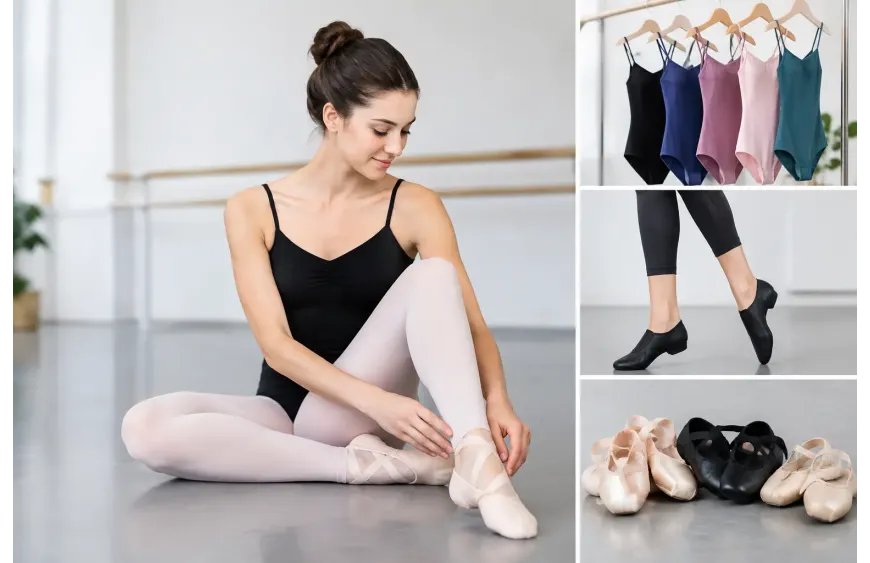
A dance shoe can look polished on the shelf and still be the wrong choice once you start a natural turn, a rumba walk, or an hour of teaching. The same is true of a dress that photographs beautifully but restricts your back movement, or practice pants that slide at the waist. A useful dancewear brands comparison is not about finding one label that suits everyone. It is about understanding which product strengths matter for your dance style, level, body, and weekly routine.
For dancers in ballroom, Latin, salsa, bachata, ballet, gymnastics, and social dance, the best choice is usually the item that disappears once you begin moving. You should notice your dancing, not a rubbing strap, twisting seam, slipping hem, or unstable heel.
Start a Dancewear Brands Comparison With Your Discipline
Dance disciplines ask different things from clothing and footwear. Comparing brands without separating categories can lead to frustrating results, especially for newer dancers who assume all dancewear is interchangeable.
Latin and rhythm dancers generally need close-fitting apparel that stays in place through quick weight changes, rotation, and expressive body action. A Latin skirt or dress may prioritize stretch, movement, and visual impact, while a ballroom gown needs a different kind of freedom: a secure bodice, comfortable arm mobility, and a skirt that travels smoothly through turns without becoming heavy or difficult to manage.
American smooth sits between those needs. Dancers often need garments that create a long line while allowing open work and larger arm movements. For social dancers, the priorities may be simpler: clothing that is comfortable, breathable, easy to care for, and appropriate for a full evening on the floor.
Footwear deserves the same discipline-specific attention. Latin shoes are designed to support articulation through the foot and a more compact, responsive connection with the floor. Standard or ballroom shoes are usually selected for stability, clean lines, and comfortable movement around the floor. Practice shoes can offer more coverage and support for long sessions, while social dance shoes may emphasize versatility for dancers attending classes, events, and casual dance nights.
A brand can be excellent in one category without being the best match for every category. Compare like with like: Latin shoes against Latin shoes, juvenile competition dresses against juvenile competition dresses, and teaching or practice wear against other practice-focused options.
Compare Fit Before Style
Style gets attention first, but fit determines whether dancewear earns a place in your bag. This is especially true when shopping online, where a familiar clothing size does not always translate to dancewear sizing.
Look at how a garment is intended to fit. Some performance pieces are designed for a sleek, body-conscious silhouette. Others are cut with more room for layering, warm-up, or all-day teaching. Stretch content matters, but stretch does not solve every fit issue. A fabric can be flexible and still feel uncomfortable if the torso length, bust placement, shoulder width, or rise is wrong for you.
For shoes, avoid choosing solely by your everyday street-shoe size. Dance shoes should feel secure without painful pressure. Your foot should not slide forward into the toe box, and the heel should remain stable as you transfer weight. A shoe that feels acceptable while standing may reveal problems during pivots, walks, and turns.
When comparing options, pay attention to the size chart for that product and consider the features that affect your individual fit. These can include adjustable straps, width options, toe shape, closure type, elasticized panels, and the amount of cushioning. Dancers with wider feet, narrower heels, longer toes, or a high instep often benefit from a more careful fitting process rather than simply sizing up.
At Dancewear Champions, this is where knowledgeable guidance can make a practical difference, particularly for first dance shoes, youth fittings, and styles intended for regular practice or competition.
Fabric and Construction Tell You How a Piece Will Perform
A strong dancewear comparison goes beyond color, rhinestones, or the shape of a neckline. Examine what the piece is made to do.
For practice apparel, soft stretch knits, supportive bodysuits, flexible skirts, and breathable tops can make repeated movement more comfortable. The ideal fabric depends on your setting. A dancer working in a warm studio may prefer lighter materials, while someone arriving from a Canadian winter may need warm-up layers that can be removed easily before class.
For performance wear, consider how fabric behaves under lights and in motion. Flowing skirts can create beautiful movement, but they must be balanced with a secure waist and manageable length. Mesh, lace, fringe, and embellishment can add character to a costume, yet each detail introduces a trade-off. More decoration can mean more visual impact, but it may also require more careful handling and a more exact fit.
Construction details are easy to overlook until they matter. Check whether seams sit comfortably, straps are adjustable where needed, linings provide appropriate coverage, and closures feel secure. For young dancers, comfort and secure coverage should come before a highly elaborate look. A child who can move confidently will present better than one who spends the routine adjusting a costume.
Shoes: The Category Where Small Differences Matter Most
Two shoes may appear nearly identical but feel entirely different on the floor. Heel height, heel shape, strap placement, sole flexibility, padding, and upper material all change how a shoe performs.
Beginners often benefit from a lower, stable heel that allows them to develop balance and foot placement with confidence. More experienced dancers may choose a heel and shape that better suit their technique and preferred look, but a higher heel is not automatically a better heel. It should match your strength, training, and the demands of your dancing.
Suede soles are commonly chosen for indoor dance floors because they allow controlled movement and can be maintained with proper shoe care. The amount of slide you prefer can vary by floor condition and experience level. A shoe that feels too slippery or too gripping can interfere with confident movement, so consider where you dance most often.
Men's dance shoes also deserve category-specific comparison. A ballroom shoe, Latin shoe, practice shoe, or teaching shoe can differ in flexibility, profile, support, and sole construction. Youth dancers need the same thoughtful matching, with added attention to growth, security, and competition requirements.
Consider How Often You Will Wear It
The right brand or product line for a showcase may not be the right one for three classes a week. Frequency of use should guide your comparison.
If you practice regularly, prioritize durable fabrics, easy-care pieces, and shoes that support long sessions. A small rotation of reliable practice clothing can be more useful than relying on one special outfit. Dancers who teach may value polished, comfortable pieces that transition between demonstrating steps, moving around the studio, and speaking with students.
For competitions and formal performances, presentation becomes a larger part of the decision. The garment should complement your dance, fit securely, and meet the expectations of your event. Competition-ready clothing often asks for more planning because fit, movement, accessories, and footwear need to work together.
Social dancers may want a middle ground: attire that feels special enough for a night out but remains comfortable and versatile. In this case, a simple dance skirt, flattering top, polished pants, or adaptable shoe can provide more value than a piece that only works for one occasion.
Avoid Comparing Only by Appearance
Photos are helpful, but they cannot show how a shoe flexes during a turn or whether a bodysuit stays in place through a full practice. When evaluating dancewear, think in terms of movement, not just the mirror.
Ask yourself a few practical questions. Can you raise your arms fully? Can you bend, rotate, and take a long step without adjusting the garment? Does the shoe hold your foot in place? Will the item suit the floor, studio temperature, and event you have in mind? If you are purchasing for a child, can they put it on comfortably and move without distraction?
A lower-priced-looking option can become less useful if it wears quickly or creates discomfort. On the other hand, the most embellished or technical item may be unnecessary for a dancer attending a beginner class once a week. The best decision is rarely about buying the most or the least. It is about buying for the way you actually dance.
Build a Wardrobe That Supports Your Next Step
Most dancers do not need every category at once. Start with the essentials that make your current training more comfortable and confident: properly fitted shoes, dependable practice clothing, and the accessories that keep them ready to wear. Add competition, showcase, warm-up, or specialty pieces as your schedule and goals grow.
A thoughtful dancewear brands comparison gives you permission to choose differently for different moments. Your practice shoe can prioritize support. Your Latin shoe can prioritize responsiveness. Your ballroom gown can prioritize glide and presence. Your everyday class outfit can simply let you focus on learning the next figure. When each piece has a clear job, getting dressed for dance becomes one less thing to think about - and more room opens up for enjoying the floor.
Tags practice clothing, ballet practice clothing, dance shoes, baller slippers, pointe shoes
Related Products
Ballet Pointe Shoes
$63.75US


Sale
Silicon Toe Pads
$21.25US $17.00US