


- 25 August, 2026
- 289
- 0
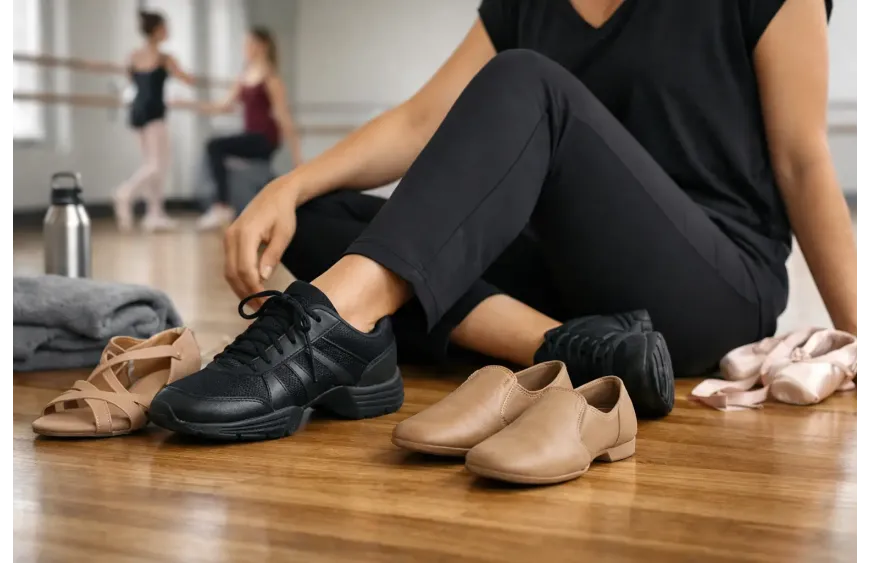
A teacher can feel the difference between ordinary shoes and proper dance teacher footwear before the first class is over. You are not just walking from one side of the floor to the other. You are marking timing, demonstrating weight changes, correcting foot placement, turning with students, and often staying on your feet through several lessons in a row.
The right pair needs to support your body without getting in the way of your movement. It also needs to make sense for the dance style you teach, the surface beneath you, and the image you want to present. A beautiful shoe that causes fatigue by the second lesson is not a practical teaching shoe. Neither is a supportive street shoe that grips the floor too firmly to demonstrate a clean pivot.
What Dance Teacher Footwear Must Do
Teaching shoes sit between performance footwear and everyday comfort shoes. They should allow enough articulation to show technique clearly while providing more all-day comfort than a shoe chosen solely for a short competition heat or showcase.
A teacher also needs reliable contact with the floor. Ballroom, Latin, salsa, bachata, and social dance all involve controlled turns, directional changes, and weight transfers. A suede dance sole offers the right balance of glide and traction on a suitable studio floor. It lets you pivot instead of twisting through your knees, while still giving you enough resistance to feel stable.
That balance changes with the setting. If you teach on a proper wood dance floor, a suede sole is usually the natural choice. If you regularly teach in multipurpose rooms, on rough flooring, or move between the studio and outdoors, consider keeping a dedicated indoor pair and a separate travel shoe. Street debris, moisture, and rough pavement can quickly damage dance soles and bring unwanted grit onto the floor.
Comfort is a technical requirement
Comfort does not mean choosing the softest shoe available. A shoe that is overly loose or lacks structure can make your feet work harder all day. Look for a secure heel cup, a stable fit across the forefoot, and enough room for your toes to spread naturally without sliding forward.
The best fit is close, but not painful. Dance shoes often feel more fitted than casual shoes because excess space reduces control. Your toes should not curl, press hard against the end, or hang over an open toe. The arch should feel supported by the shape of the shoe rather than squeezed by it.
If you teach for long blocks, a lower heel is often the smarter choice. Many teachers keep a higher-heeled pair for demonstrations, events, or lessons where presentation matters most, then use a lower, more stable pair for a full teaching day. There is no rule that says one shoe must do every job.
Choose by the Style You Teach
Your teaching footwear should reflect the movement you demonstrate most often. A shoe that works beautifully for a Latin class may not feel right for a ballroom frame lesson.
Latin, salsa, and bachata teachers
Latin-focused teachers usually benefit from footwear with flexibility through the ball of the foot and a secure ankle or instep strap. Ladies often choose an open-toe Latin sandal or a closed-toe Latin shoe, depending on personal preference, class environment, and how much toe protection they want. A flare heel can offer a stable base, while a slimmer heel creates a more elevated Latin line but asks more of the wearer.
Men teaching Latin or social dance commonly choose a flexible Latin shoe with a suede sole and a shaped heel. The shoe should make it easy to point, settle into the foot, and demonstrate Cuban motion without feeling bulky.
For both women and men, fit security matters more than decorative details. If the shoe shifts during a rock step or turn, it becomes distracting for the teacher and unclear for students watching the demonstration.
Ballroom and American smooth teachers
Ballroom and smooth instructors tend to need a shoe that feels grounded and polished. Ladies may prefer a closed-toe court shoe, especially when teaching heel leads, backward walks, and standard figures. A lower to medium heel often provides an excellent combination of posture, stability, and comfort for longer lessons.
Men's standard shoes should have a clean, supportive shape, a comfortable fit across the instep, and a sole that supports smooth travel. A properly fitted ballroom shoe helps a teacher demonstrate foot closure, heel leads, and controlled rise and fall without fighting the floor.
If you teach both standard and Latin, you may prefer two distinct pairs. It is a worthwhile division when your schedule includes many hours of each style. Standard shoes and Latin shoes are designed to support different movement qualities, and trying to force one pair into every role can lead to unnecessary fatigue.
Social dance and beginner classes
For teachers working with new dancers, comfort and approachability matter. Students often look at the teacher's feet, so footwear should show the shape and direction of the foot clearly. At the same time, you may spend more time standing still, walking around the room, and adjusting students individually than you would in an advanced technique class.
A low-heeled practice shoe or social dance shoe can be an excellent choice here. These styles often offer a more forgiving feel while retaining the flexibility and sole needed for dance movement. They can also be a sensible option for instructors returning to teaching after a break, managing foot sensitivity, or building tolerance for more time in heels.
Heel Height, Shape, and Stability
Heel height is personal, but it should be chosen honestly. The heel you can wear confidently for a two-minute demonstration may not be the heel you want for four consecutive lessons.
Lower heels generally reduce pressure on the forefoot and can make balance easier during long teaching sessions. Medium heels may offer a polished line while remaining manageable for experienced wearers. Higher heels can suit advanced Latin instruction, performances, or occasions where you are accustomed to wearing them, but they require strong ankle control and should never compromise your ability to demonstrate safely.
Heel shape matters as much as height. A wider or flared heel has more surface contact with the floor and often feels steadier. A narrow heel creates a more delicate appearance but can feel less forgiving during a long day of moving backward, turning, and assisting students.
Men should also pay attention to heel construction. A Latin heel and a standard heel create different posture and movement sensations. Choose the one that supports the technique you teach rather than simply the style that looks familiar.
Fit Details That Prevent a Long Day From Becoming Painful
Try teaching shoes on later in the day when your feet are closer to their usual working size. Wear the socks, hosiery, or dance tights you expect to use while teaching. Walk, rise onto the balls of your feet, take a few controlled turns, and check whether the shoe stays aligned with your foot.
Pay close attention to common warning signs: numb toes, a strap that cuts into the skin, heel slipping, pressure on a bunion area, or an arch that feels aggressively tight. Do not assume discomfort will disappear once the shoe is broken in. Some materials will soften slightly, but a fundamentally wrong fit will remain wrong.
Width is especially important. Dancers with narrow feet may need more security across the instep, while dancers with wider feet should not size up so much that the heel begins to slide. The right width lets the shoe hold the foot evenly, without pinching at the sides or leaving empty space at the back.
For a personalized comparison of heel heights, widths, and teaching styles, an in-person fitting can be helpful. Dancewear Champions offers Toronto-area dancers a Thornhill location where teachers can assess fit on their feet rather than guessing from a size alone.
Care for Teaching Shoes Like Working Equipment
Teaching shoes work hard, so a little care extends their useful life. Brush suede soles regularly to restore the nap and remove compacted dirt. Keep shoes in a breathable dance bag rather than a sealed plastic bag, especially after a warm class. Let them dry fully between wearings, and avoid wearing them outside.
It also helps to rotate between two pairs when you teach frequently. Rotation gives shoes time to air out, reduces daily wear on the same pressure points, and means you have a backup if a strap, sole, or heel tip needs attention before class.
Your footwear should let students focus on the lesson, not on whether you look uncomfortable making the movement. Choose a pair that feels secure, suits the dance you teach, and supports the way you actually spend your day. When your feet are well supported, you can demonstrate with more clarity, energy, and confidence from the first count to the final song.
Related Products
Sale
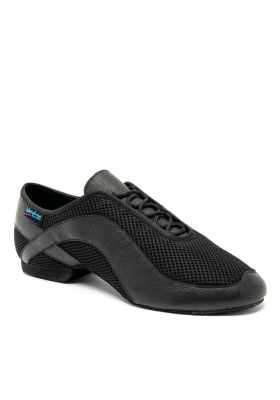
IDS - JAZZ - AIRMESH/BLACK
$168.30US $142.80US
Sale
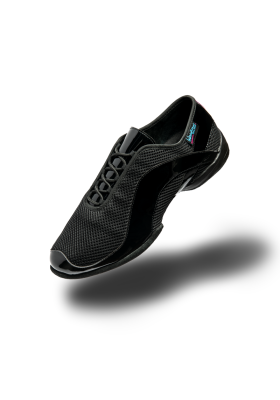
IDS - TEMPO - AIRMESH/BLACK PATENT
$194.65US $170.00US
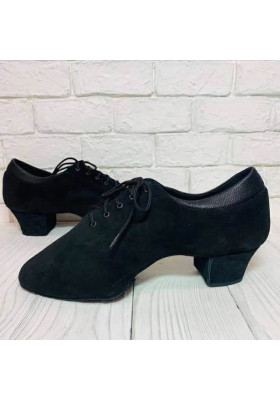
Galex - Black Nubuck - Heel 4cm
$212.50US
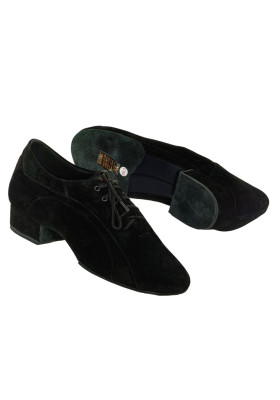
Galex - Black Nubuck - Heel 2cm
$212.50US


-280x400.webp "IDS - Heather Split-Sole - BluePinkPanther - 1.5\" heel")