


- 16 August, 2026
- 234
- 0
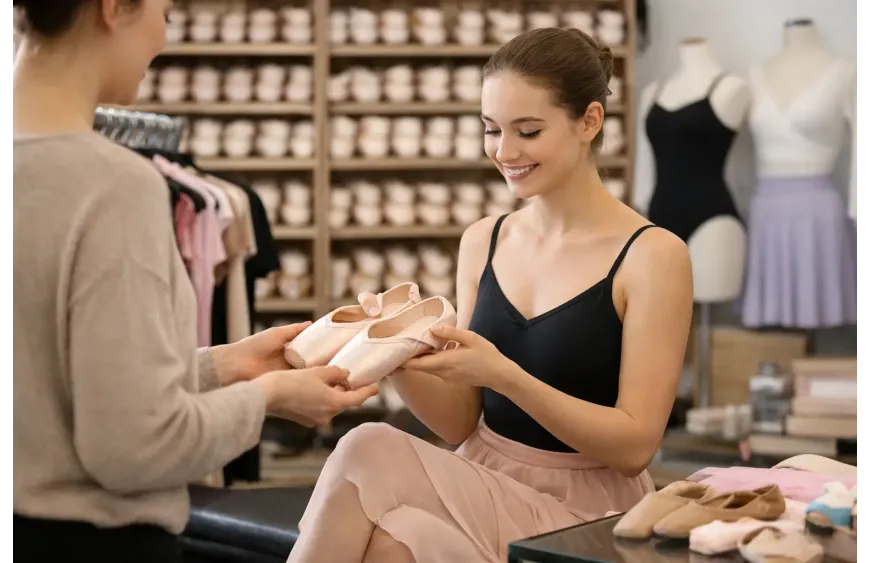
A dance shoe that slips at the heel, a skirt that restricts a promenade, or a costume that looks great but cannot survive a long competition day can turn an exciting purchase into a frustrating one. Searches for “dance stores,” “dance store near me,” “dance stores Toronto,” and “dance stores Canada” usually come down to one question: where can a dancer find pieces that truly suit the way they move?
The best answer is not simply the closest store or the biggest online catalog. Dancewear is technical. A Latin heel has different demands than a ballroom standard shoe. A young ballet student needs a different fit approach than an adult social dancer preparing for their first salsa class. The right specialty store helps you match the garment, shoe, level, and occasion instead of asking one product to do every job.
What a Good Dance Store Should Help You Choose
A true dancewear destination organizes products by how dancers actually use them. That means separating ladies dancewear from men’s and youth styles, then going deeper into categories such as Latin, ballroom, American smooth, ballet, gymnastics, teaching and practice wear, social dancing, and competition costumes.
This level of selection matters because dance clothing is not just about appearance. Practice wear should allow you to check posture, lines, leg action, and foot placement. Social dance clothing needs to be comfortable over several hours. Competition attire must support a polished presentation under bright lights while allowing full movement through turns, extensions, and partnered figures.
For families, clear youth categories are especially useful. Children grow quickly, have different comfort needs, and may be moving from recreational classes into showcases or competitions. A store that carries juvenile competition dresses, boys’ dancewear, warm-up layers, hair accessories, and appropriately sized shoes makes that transition much easier.
Dance Shoes Are a Fit Decision, Not a Guess
Dance shoes are often the purchase where expert advice makes the greatest difference. The correct shoe should feel secure without pinching, support the specific dance style, and allow the dancer to articulate through the foot. Street shoes may be comfortable for walking, but their grip, weight, sole construction, and flexibility are usually wrong for a dance floor.
Latin shoes are designed for sharper footwork, spins, and pointed lines. They typically have a more flexible sole and are available in heel heights and strap arrangements that affect stability. Ballroom or standard shoes favor a secure, elegant base for traveling patterns and sustained partnership work. American smooth dancers may need shoes that support both closed-position movement and more open choreography.
Then there are practice, teaching, and social shoes. These can be the smartest first purchase for a beginner because they balance comfort and function. They are also valuable for instructors and dancers who spend many hours on the floor. A competition shoe may be the right choice for an event, but it may not be the shoe a dancer wants to wear for every weekly lesson.
When trying shoes on, pay attention to heel security, toe room, arch placement, width, and how the shoe responds when you rise onto the ball of your foot. A dance shoe should fit differently from a running shoe. Sizing can vary between brands and styles, so a size chart is useful, but it is not a replacement for personalized fitting help when it is available.
Finding Dance Stores Toronto Dancers Can Visit
For GTA dancers, an in-person visit is particularly valuable when buying a first pair of dance shoes, fitting a performance outfit, or choosing between several heel heights. You can assess the shoe while moving, compare fabrics in person, and get practical guidance based on your dance style and experience.
Dancewear Champions offers personal shopping in Thornhill for dancers who want that hands-on experience, including knowledgeable shoe fitting and an accessible boutique setting. This can be reassuring for parents buying for a child, for new dancers who do not yet know what to ask for, and for experienced competitors looking for a garment with the right fit and stage presence.
An appointment or planned visit can also save time. Bring the dance shoes, undergarments, or accessories you expect to wear with a new outfit when possible. If you are shopping for a showcase or competition, share the dance style, event requirements, and whether you need an individual item or a coordinated look. Those details lead to better recommendations than a general request for “something sparkly.”
Shopping Dance Stores Canada Online With Confidence
Canadian dancers outside the Toronto area should not have to settle for generic activewear just because a specialty shop is not around the corner. A well-organized Canadian online dance store can provide access to category-specific apparel, shoes, accessories, and fit information from home.
The key is to shop with a purpose. Start with the dance discipline and intended use: practice, class, teaching, social dancing, a performance, or competition. Next, review garment measurements and shoe sizing guidance carefully. Measure rather than relying on a size you wear in everyday clothing, especially for bodysuits, fitted dresses, pants, and children’s dancewear.
Product photos are helpful, but fabric descriptions matter too. Stretch level, lining, sleeve shape, waistband design, and closure details all affect how a piece feels during movement. If you need a dress for Latin dance, look for construction that supports fast action and dynamic lines. For ballroom, consider how the garment moves through turns and whether the silhouette suits your routine and personal comfort level.
Online shopping is also a practical way to find specialty items that may not be available locally, including plus-size dancewear, men’s ballroom apparel, youth competition pieces, dance bags, shoe-care products, and accessories. The advantage of a specialist retailer is the ability to build a complete dance wardrobe rather than buying disconnected items from several places.
Build a Dancewear Wardrobe in the Right Order
New dancers do not need a full competition wardrobe on day one. Start with the pieces that will make class more comfortable and productive: proper dance shoes, clothing that permits movement, and a layer for warming up or traveling to the studio. A simple practice skirt, dance top, bodysuit, fitted pants, or comfortable men’s dance shirt can go a long way.
As dance becomes a regular part of life, add items based on real needs. Social dancers may want shoes suited to different floors and outfits that move comfortably from lesson to dance night. Teachers often benefit from durable practice or teaching shoes and polished clothing that allows them to demonstrate clearly. Competitors need a more detailed plan involving category rules, costume fit, backup accessories, and shoe care.
A reliable dance bag is not an afterthought. It keeps shoes protected, separates clothing from cosmetics or hair items, and makes it easier to arrive prepared. Shoe brushes, heel protectors where appropriate, spare laces or straps, hair accessories, and garment care items can prevent small problems from becoming event-day emergencies.
The Details That Separate Practice Wear From Performance Wear
Practice clothing needs to reveal movement. It should let you see your body position without feeling overexposed or restricted. Many dancers prefer designs with clean lines, supportive construction, and breathable stretch fabrics. For ballroom and Latin practice, skirts and dresses can be useful because they help dancers understand shape, movement, and rhythm in a way leggings alone may not.
Performance and competition wear asks more of every detail. Color, embellishment, fit, neckline, sleeve treatment, and skirt movement all contribute to how a dancer reads from the audience or judging panel. Still, visual impact should not come at the expense of confidence. If a dancer is constantly adjusting a strap or worrying about a hem, that distraction shows in the performance.
The best choice depends on the event. A studio showcase may call for something polished and expressive without the complexity of a full competition costume. A DanceSport competition may require more specialized attire. Ask early about dress expectations so there is time to select, fit, and practice in the final look.
Questions to Ask Before You Buy
Before choosing an item, consider where you will wear it, how often you will use it, and what type of movement it must support. A beautiful ballroom gown is not automatically a sensible first outfit for a weekly beginner class. Likewise, an inexpensive general-purpose shoe can become costly if it causes discomfort or must be replaced quickly.
It also helps to think ahead one level. If your child is beginning regular classes, choose shoes and basics that support consistent training rather than a costume-only purchase. If you are preparing for your first competition, buy early enough to practice in your shoes and confirm the fit of every garment and accessory.
The right dancewear should make it easier to focus on your timing, technique, partnership, and enjoyment. When your shoes feel stable and your clothing moves the way it should, you spend less energy managing your outfit and more energy dancing.
Tags dance stores, dance stores Toronto, dance stores Canada
Related Products
Sale
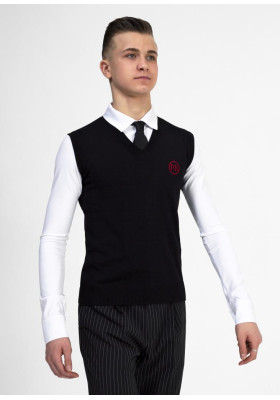
Primabella Ballroom Vest without collar
$170.00US $106.25US
Sale
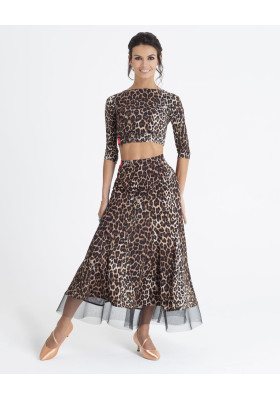
Ballroom Skirt 01
$187.00US $84.15US
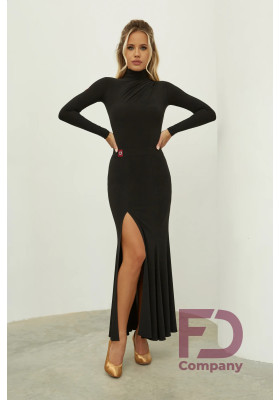
Ballroom Skirt 11
$153.00US
-280x400.webp "Dance Shirt 01")
Dance Shirt 01
$172.55US

Leotard-65 K Pink
$165.75US

Leotard-58 PB
$297.50US

Latin Pants - 06 Gleaming
$297.50US