


- 17 October, 2026
- 14
- 0
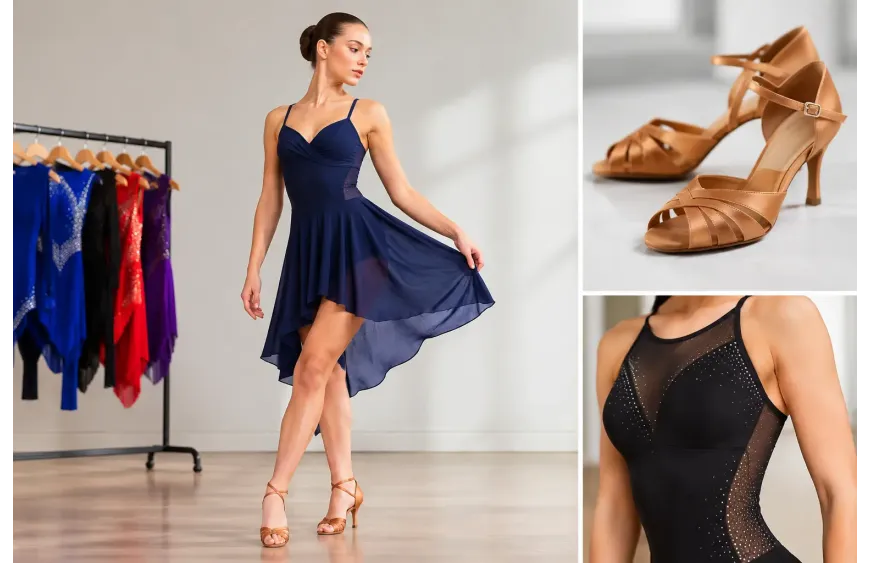
A dance showcase wardrobe has one job beyond looking good: it must let the audience see the dance. The right outfit supports your lines, matches the mood of the music, stays secure through every turn, and lets you step onstage focused on your performance rather than a slipping strap or a shoe that will not cooperate.
A showcase is not always a full DanceSport competition, so there is usually more room for personality. Still, freedom does not mean choosing at random. Whether you are performing ballroom, Latin, salsa, bachata, ballet, or a youth routine, your clothing and shoes should work together as part of the choreography.
Start With the Routine, Not the Outfit
It is tempting to begin with a favorite dress or a dramatic shirt. Instead, begin with the movement. Watch a rehearsal video if you have one, and think about what the audience needs to see. A smooth ballroom routine benefits from garments that emphasize glide, frame, and rotation. A Latin or salsa number often calls for a closer silhouette that makes sharp hip action, fast footwork, and rhythmic detail visible.
Music matters too. A romantic rumba can carry soft drape, sparkle, or a skirt with controlled movement. A high-energy jive may need a shorter, secure hemline and minimal pieces that can catch, swing, or shift. For a theatrical group number, the costume should support the overall visual picture without making one dancer feel unable to move naturally.
Ask yourself one practical question: can I rehearse full-out in this? If the answer is no, it may still be a beautiful garment, but it is not yet showcase-ready.
Match the silhouette to the dance style
For ballroom, standard, and American smooth, dresses and skirts with floaty fabric, panels, or elegant volume can make traveling patterns look larger. They should clear the floor without being so long that they catch under the heel. Men often look most polished in well-fitted dance pants with a shirt that allows a comfortable ballroom frame. A vest, jacket, or formal detail can work well, provided it does not restrict the shoulders or overheat the dancer.
For Latin, rhythm, salsa, and bachata, fitted dresses, bodysuits with skirts, dance tops, and pants can all be effective. Fringe, mesh, rhinestones, and asymmetric details create visual interest, but placement matters. Embellishment should enhance the lines of the body, not add bulk where it distracts from movement.
Ballet and contemporary showcase pieces require a different lens. A leotard, unitard, skirt, or costume layer should preserve clean technique and allow instructors to see placement. If a costume includes loose sleeves, flowing fabric, or props, test every lift, floor transition, and extension before performance day.
Fit Is What Makes a Dance Showcase Wardrobe Look Finished
An outfit can be stage-worthy in color and style yet still look unfinished if it does not fit correctly. Dancewear is designed for movement, which means a fitting should include movement. Raise your arms, take your dance hold, bend, turn, kick, and sit if the routine requires it. Check the garment under the lighting and from a few steps away, not only in a dressing-room mirror.
A well-fitting costume stays in place without constant adjustment. The bust, waist, shoulder straps, and leg openings should feel secure but not restrictive. For men, pants should allow a full stride and deep knee action without pulling at the seat or sliding at the waist. Young dancers especially need clothing that fits now rather than a size purchased with major growing room. Too much extra fabric can interfere with footwork and make a child feel self-conscious.
Color also changes under stage lights. Black is timeless and elegant, but detail can disappear against a dark backdrop. Pale shades may look beautiful but can become washed out under bright lighting. Jewel tones, rich reds, blues, greens, and purposeful metallic accents often read clearly from a distance. That said, the best color is the one that complements the routine, flatters the dancer, and makes them feel confident.
Choose Shoes Before Your Final Hem
Shoes are not an accessory added at the last minute. They determine posture, balance, foot articulation, and how safely you can perform. Wear your actual performance shoes when checking dress length, pants hems, and skirt movement. A hem that looks perfect in socks can become a tripping risk in a heeled Latin sandal or ballroom shoe.
For ballroom and smooth, closed-toe ballroom shoes or appropriate smooth dance shoes provide the support and glide needed for partnered movement. Latin, rhythm, salsa, and bachata dancers commonly need flexible shoes that allow precise use of the foot while providing a secure fit. Social shoes may be appropriate for a relaxed showcase, but only if they have been tested through the full routine.
Do not make a showcase your first time wearing new shoes. Break them in during shorter rehearsals, while still protecting the sole and preserving their appearance. Check straps, buckles, heel tips, laces, and closures in advance. Dancers who use heel protectors should ensure they are properly fitted and permitted on the performance floor.
For children and beginners, the right shoe can make an immediate difference in confidence. Proper sizing and a secure heel are usually more valuable than a highly decorative style. If you are uncertain about fit, personalized shoe guidance is worth seeking before the final rehearsal.
Build Your Look From the Stage Outward
Your audience sees the complete picture: clothing, shoes, hair, and finishing details. That does not mean every dancer needs heavy sparkle or a complex costume. A simple black practice dress with the right shoes, tidy hair, and a statement earring can look more intentional than an over-accessorized outfit competing with the choreography.
Choose accessories that stay put. Jewelry should not swing into a partner, snag on fabric, or create distracting noise. Hair accessories need to withstand spins and fast head movement. If your routine includes a dramatic costume change, practice it repeatedly and keep the mechanics simple. A quick change is only effective when it is reliable.
For partnered performances, coordinate rather than match exactly. A dancer in a bold Latin dress may pair well with a partner in a clean black shirt and pants with a subtle accent that picks up the same color. For ballroom, a coordinated palette can look polished while allowing each dancer's clothing to suit their individual shape and role.
Group routines need another layer of planning. Establish a consistent base color, silhouette, or accessory, then confirm that every dancer can source and wear the pieces comfortably. Inclusivity matters here. The best group costume concept offers options across sizes, body shapes, and comfort levels without making anyone look like an afterthought.
Rehearse in the Full Showcase Wardrobe
A final dress rehearsal is where small problems become visible. Wear the complete outfit, including undergarments, shoes, hair pieces, and any costume accessories. Move with your partner or group exactly as you will onstage. Practice entrances, exits, dips, turns, floorwork, and bows.
Pay close attention to friction and visibility. Does a skirt twist during turns? Does a sleeve catch when you take hold? Can you hear loose jewelry? Is your neckline secure when you lean or spin? These details are much easier to fix before show day than during a rushed backstage moment.
Prepare a small performance kit with safety pins, fashion tape, spare hair elastics, bobby pins, a needle and thread, heel tips if applicable, and a clean cloth for shoes. Bring a backup layer for warm-up as well. Keeping performance clothing clean and covered until you are called helps it look fresh under the lights.
For dancers in Toronto and the GTA who want help narrowing down the right garment, shoes, or finishing pieces, Dancewear Champions can provide specialist fit guidance for showcase, practice, and performance needs. Bring details about your dance style, music, and shoe preference so the selection can be as purposeful as the routine.
The best showcase outfit is not necessarily the loudest one in the room. It is the one that lets you move freely, look like yourself, and walk onto the floor knowing nothing needs your attention except the music.
Tags dance showcase wardrobe,
Related Products
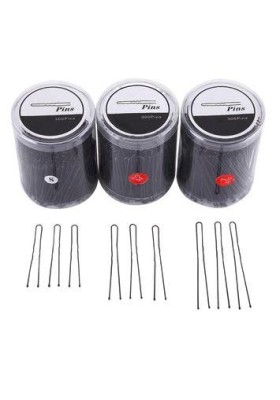
Black U Shape Hair Pins
$12.75US
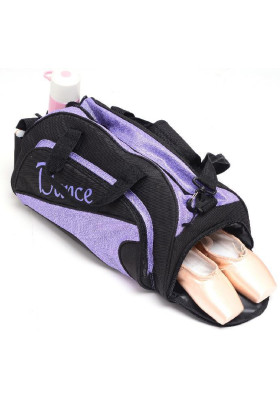
Dance Bag 01
$38.25US
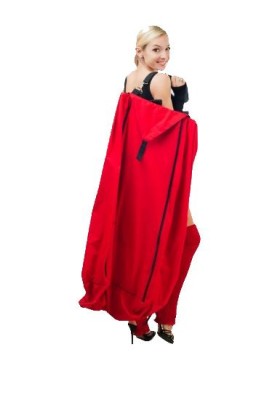
Dance Wear Covers 01
$68.00US
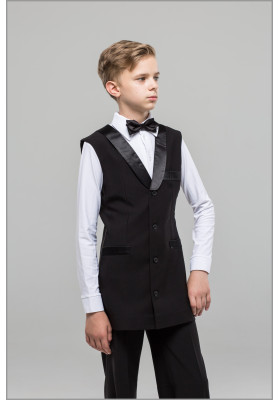
Bow tie Satin
$21.25US
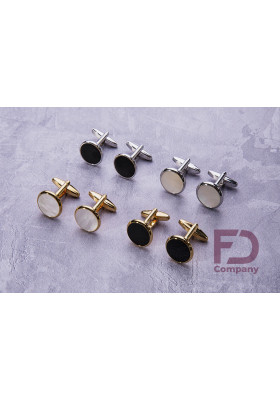
Tailcoat cufflinks FZP
$55.25US

ILIOS Tan
$110.50US