


- 19 November, 2026
- 19
- 0
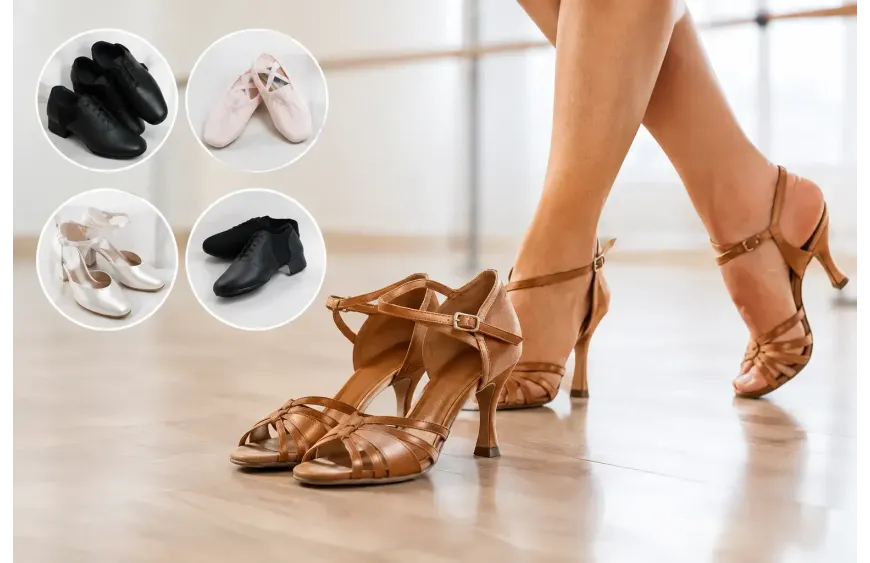
A dance shoe can look perfect in the box and still feel wrong after one rumba basic, a long social set, or a full competition round. That is why the most useful dance shoe trends are not simply about color or decoration. They reflect what dancers actually need on the floor: controlled movement, dependable support, a flattering line, and enough comfort to stay focused on dancing.
For ballroom, Latin, salsa, bachata, American smooth, and practice dancers, the right trend is the one that fits the way you move. A lower heel may be the better choice for a new dancer. A flexible Latin sandal may be ideal for someone who needs strong foot articulation. A sleek closed-toe standard shoe may suit a competitor who needs a polished look without sacrificing stability.
Dance Shoe Trends Are Moving Toward Purposeful Comfort
Comfort is no longer treated as separate from performance. Dancers increasingly expect shoes that feel secure from the first fitting while still offering the flexibility, balance, and visual finish their discipline requires. This does not mean every shoe should feel like a sneaker. Dance footwear needs to communicate with the floor, support the foot in motion, and respond to turns, pressure changes, and pointed lines.
One visible shift is the popularity of thoughtfully designed practice and teaching shoes. These styles often offer a more stable heel, supportive upper, and a sole that lets dancers turn without the strain of a street shoe. They are especially practical for instructors, social dancers, and anyone spending several hours at the studio. A practice shoe may not create the same extended leg line as a high-heel Latin sandal, but it can make regular training more sustainable.
Lower and medium heel heights are also earning a well-deserved place in both social and competitive wardrobes. The trend is not about abandoning higher heels. It is about choosing heel height according to experience, ankle strength, dance style, and the demands of the event. A dancer who can maintain clean weight placement in a lower heel will usually look more confident than one fighting for balance in a heel that is too high.
A secure fit is part of the look
Straps, buckles, and vamp shape are receiving more attention because they affect both appearance and function. In Latin and rhythm shoes, adjustable straps can help hold the foot in place during fast direction changes. A well-positioned vamp can flatter the toes and create an elegant line while helping prevent the foot from sliding forward.
Fit remains personal. A narrow foot may need a more adjustable sandal, while a fuller foot may benefit from a style with a more accommodating front. The goal is not to force your foot into the most photographed shoe style. The goal is to find a shoe that lets your feet work naturally and safely.
The Return of Versatile Dance Shoes
Many dancers are building a smaller, smarter shoe wardrobe rather than buying one pair for every possible occasion. Versatile styles are particularly appealing for dancers who take multiple classes, attend socials, teach, or travel to showcases. A well-chosen pair of practice shoes can handle drills, group lessons, and a long evening of social dancing. A classic closed-toe ballroom shoe can serve standard training, smooth routines, and formal occasions where a refined silhouette matters.
For women, neutral tan and skin-tone shades remain popular because they extend the visual line of the leg and coordinate easily with many outfits. Black continues to be a dependable choice for practice, teaching, ballroom, and social wear. For men, classic black remains central, but the real trend is selecting the correct construction: a flexible Latin shoe for sharper footwork, a more structured ballroom shoe for smooth movement, or a comfortable practice style for daily use.
Versatility has limits. A shoe that works beautifully for a beginner salsa class may not provide the precision a serious Latin competitor wants, and a competition shoe may not be the best choice for daily teaching. Consider where you spend most of your dance time before choosing your primary pair.
Flexible Latin Styles Still Lead for Expression
Latin dance shoes continue to favor flexibility, close connection to the floor, and clean foot lines. Open-toe sandals, multi-strap designs, and styles with a more open vamp remain popular because they allow the foot to articulate through rumba walks, cha-cha locks, and jive actions. The right amount of flexibility helps a dancer point through the ankle and use the ball of the foot with clarity.
However, more flexibility is not always better. A very soft shoe can feel wonderful to an experienced dancer with developed foot strength, yet it may feel unstable to someone new to heels or Latin technique. Beginners often do better with a secure, adjustable style and a manageable heel. As technique and confidence grow, a more flexible competition-focused shoe may become the natural next step.
Satin remains a familiar favorite for a refined competition look, particularly when a dancer wants the option of dyeable footwear. At the same time, durable materials and practical finishes are valued by dancers who need shoes for frequent classes and socials. Your choice should reflect the job the shoe must do, not just the finish you prefer under studio lights.
Ballroom and Smooth Shoes Favor Stability With Elegance
For ballroom standard and American smooth, the current preference is clear: clean lines, stable support, and footwear that complements glide rather than interrupts it. Closed-toe styles remain a strong choice for dancers who want more coverage and a traditional ballroom presentation. They can also feel reassuring for dancers transitioning from social dancing into more structured lessons or showcases.
Heel placement matters here as much as heel height. A properly balanced ballroom shoe helps the dancer move backward, lower through the knees, and maintain body alignment without feeling pitched forward. Men’s standard shoes similarly benefit from a supportive fit and a sole designed for controlled movement rather than everyday walking.
For dancers who alternate between smooth and Latin, it may be tempting to make one pair do everything. That can work for casual classes, but dedicated shoes often make a noticeable difference as technique develops. Smooth and standard ask for different movement qualities than Latin, and the shoe should support that distinction.
Youth Dance Shoe Trends Put Growth First
Youth dance footwear is becoming more intentional, which is good news for parents and young dancers. The right shoe should support learning without adding unnecessary strain. For children and teens, secure straps, sensible heel heights, appropriate sizing, and room for natural foot development matter more than copying an adult competition look.
A youth dancer may outgrow shoes faster than expected, but oversized shoes are not the answer. Extra length can affect balance, cause slipping, and make it harder to learn correct foot placement. Shoes should fit securely with enough appropriate room, and parents should check fit regularly during active growth periods.
Young competitors may need footwear that meets presentation expectations, while recreational dancers may benefit most from a practical style that supports weekly lessons. Both needs are valid. The best choice depends on the dancer’s level, discipline, training schedule, and comfort.
What to Look For Before You Follow a Trend
Before choosing a new style, think about the floor, your dance goals, and how long you will wear the shoes at one time. Suede soles are common because they provide the right balance of grip and glide on suitable dance floors, but they require care. A sole that becomes overly smooth or packed with dirt can change how the shoe performs. Regular brushing is a small habit that helps preserve control.
Pay attention to where your foot sits in the shoe. Your toes should not be painfully curled, your heel should feel contained, and the upper should hold the foot without cutting in. A shoe may feel different after a few dances as the material warms and adapts, but sharp pressure, numbness, or repeated slipping are signs to reconsider the fit.
When possible, try shoes with the socks, hosiery, or foot protection you plan to use while dancing. Walk a little, rise onto the balls of your feet, test a gentle turn, and notice whether your weight feels centered. At Dancewear Champions, personalized fitting can be particularly helpful for dancers comparing heel heights, widths, and discipline-specific styles in the Toronto area.
The strongest trend is ultimately a practical one: dancers are choosing shoes with more intention. Select a pair that supports the dancer you are now, leaves room for the goals you are working toward, and makes you want to take the floor again next week.
Tags Dance shoe trends, comfortable dance shoes, dance shoes for performance
Related Products

IDS - Heather - Air Mesh
$202.30US

Galex - Emily - Heel - Slim 4-9 cm
$233.75US

Galex - Bianka - Slim Heel
$233.75US