


- 14 August, 2026
- 252
- 0
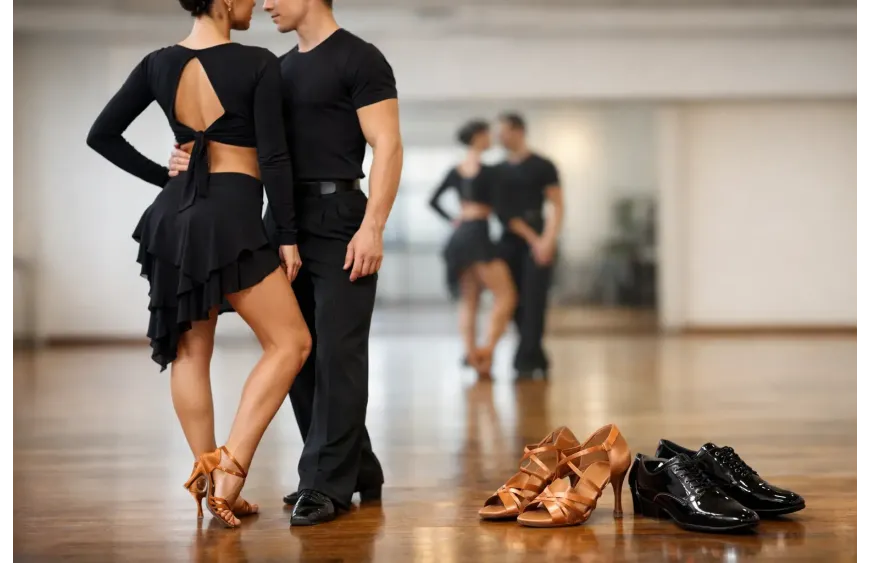
A practice outfit that twists at the waist, rides up through a turn, or restricts a full step can distract you from the lesson before the music has properly started. The right dance practice wear should support your movement, help your teacher see your lines, and make it easier to stay focused for a full class or social. That applies to men dance practice wear, women dance practice wear, Ballroom practice wear, and Latin practice wear alike.
Practice clothing does not need the crystal detail or formal finish of competition attire. It does need to move with your body, feel secure, and suit the dance style you are working on. A thoughtful practice wardrobe also makes getting ready simpler, whether you attend a weekly group class, teach students, prepare for a showcase, or train several days a week.
What Good Dance Practice Wear Should Do
The best practice clothing gives you freedom without becoming shapeless. Your instructor and dance partner should be able to see posture, hip action, foot placement, and leg lines. At the same time, you should not be constantly adjusting straps, pulling at a hem, or worrying about exposing more than intended during spins and dips.
Fabric is a major part of the decision. Stretch fabrics with recovery are usually more useful than ordinary casual clothing because they return to shape after lunges, rotation, and repeated movement. Breathability matters in a busy studio, particularly for Latin, salsa, bachata, and intensive technique sessions. A fabric that feels comfortable while standing still may feel heavy or clingy after 20 minutes of dancing.
Fit should be close enough to show the body’s movement but never tight enough to limit breathing, ribcage expansion, or a comfortable dance frame. This is why a dance-specific bodysuit, top, skirt, or trouser often performs better than a similar-looking everyday garment.
Women’s Dance Practice Wear Build Around Movement
For women, a practical starting point is a supportive dance top or bodysuit paired with a skirt, dance pants, or leggings designed for training. Bodysuits create a clean line and stay in place, which is especially helpful when practicing turns, shaping, and arm styling. They can also be layered under a wrap top, cardigan, or warm-up piece before class begins.
A practice skirt brings useful feedback to Latin movement. A fitted pencil silhouette, a skirt with a slit, or a soft flared style can reveal hip action and leg placement while still allowing unrestricted steps. The best length depends on the dancer and the discipline. Shorter skirts make leg action easy to see, while longer styles can create the flow that many dancers enjoy for smooth, ballroom, and social dance practice.
Dance pants are often the most versatile choice for a longer lesson or cooler studio. Look for a waistband that remains secure through movement and a leg shape that will not catch under your heel. Wide-leg pants can be elegant for Ballroom or American smooth, but they need enough clearance from the floor to avoid being stepped on. Fitted leggings provide clean technique visibility, though some dancers prefer to layer a skirt or tunic over them for coverage.
For regular training, choose pieces you can combine in several ways. One black skirt, two bodysuits, a flattering top, and a warm-up layer can cover multiple classes without filling your closet with garments that only work together once.
Skirts for practice are not all the same
A Latin practice skirt generally benefits from stretch, a secure fit through the hips, and details such as draping, ruching, fringe, or a slit that respond to movement. Those details are not just decorative. They can help a dancer understand rhythm, weight transfer, and hip action.
For standard ballroom practice, a longer, smoother skirt can be a better match. It should allow you to take a full backward or side step and rotate freely in closed hold. If the skirt is too narrow, it can shorten your stride. If it is too full or too long, it can interfere with footwork. Try your basic walks, a turn, and a lowered position before deciding that a skirt fits correctly.
Men’s Dance Practice Wear: Clean Lines, Comfortable Frame
Men dance practice wear is often simple by design, but the details matter. A fitted dance shirt, a stretch knit top, or a well-cut practice shirt allows a teacher to see posture, shoulder placement, and the quality of the frame. It should follow the body without pulling across the chest or back when the arms are held in position.
Dance trousers should allow a full range of motion through the hip and knee. Unlike many street trousers, purpose-made dance pants use more flexible fabrics and proportions that work with ballroom and Latin shoes. The waist should stay stable without requiring a belt that digs in or shifts during movement.
For Latin, a more fitted shirt and slim dance pants can create a sharp silhouette while keeping the legs visible. For Ballroom, a classic shirt and smooth, properly hemmed trousers provide a polished practice look that still feels functional. Some men prefer a layered vest or overshirt for teaching or social events, but it should never compromise arm mobility or the connection with a partner.
The right trouser length deserves attention. Pants that break too heavily over the shoe can hide footwork and catch beneath the heel. Pants that are too short can disrupt the line of the leg. Bring your dance shoes when trying on practice pants whenever possible.
Ballroom Practice Wear vs. Latin Practice Wear
Ballroom and Latin call for different visual and physical priorities. You do not need separate wardrobes for every lesson, but understanding the distinction helps you choose pieces that work harder for you.
Ballroom practice wear tends to favor long, uninterrupted lines. Women may choose flowing skirts, dance pants, or fitted tops that make posture and upper-body shaping clear. Men often choose a clean shirt and trousers that show a strong frame and leg line. Clothing should permit larger traveling steps, rotation, and a comfortable closed hold.
Latin practice wear tends to be more body-conscious and responsive to fast, grounded action. Stretch skirts, fitted dresses, bodysuits, slim trousers, and shirts that stay close to the torso make it easier to see Cuban motion, ribcage action, and precise weight changes. For salsa and bachata, the same principles apply, although personal comfort and the setting may lead you toward a slightly more relaxed look.
There is overlap. A fitted black top and dance pants can work for both categories, as can a versatile bodysuit and a simple practice skirt. Save highly flowing ballroom pieces for standard, smooth, or waltz-focused sessions, and choose more secure, fitted styles when spins, quick direction changes, or Latin technique are the priority.
Fit Checks Before You Wear It to Class
A garment can look excellent in a fitting room and still fail during a dance lesson. Move through a few basic actions before removing the tags: raise both arms into dance position, take a long step forward and back, rotate through a turn, sit into a lowered action, and bend to adjust your shoe. Nothing should pinch, slide, twist, become transparent, or limit your range.
Pay special attention to necklines, armholes, waistbands, and skirt openings. A neckline that feels secure when standing can shift in a spin. An armhole that is too small can restrict the shoulder line. A skirt slit may look generous but still limit a large step if it begins too low or the fabric has little stretch.
Size labels are a starting point, not a final answer. Dancewear sizing can vary by brand, cut, and fabric content. Use garment measurements and size charts, then prioritize the fit across the area that needs the most freedom of movement. For some dancers, that is the shoulders; for others, it is the hips, thighs, or torso length. Inclusive sizing matters because good technique and great dancewear are not limited to one body type.
Make Your Practice Wardrobe Work With Your Shoes
Practice wear and shoes should be considered together. A narrow pant leg may sit neatly over a Latin shoe, while a wider ballroom trouser needs the correct hem to clear the heel. A long skirt should not hide or interfere with the shoe during a lesson, especially when you are learning foot placement.
For social dancers, clothing that transitions comfortably from a lesson to a dance floor is often the most useful purchase. For competitors, practice pieces can mirror the silhouette and movement demands of a future costume without putting competition garments through daily wear. Teachers may need polished, durable options that remain comfortable across several hours of demonstrations.
If you are choosing your first dance-specific outfit or replacing clothing that no longer supports your training, bring the shoes you dance in and think about the classes you take most often. At Dancewear Champions, personalized fit guidance can help Toronto and GTA dancers narrow the choices to clothing that feels right in motion, not just on the hanger. The goal is simple: wear something that lets you see your progress, feel confident with a partner, and stay ready for the next song.
Tags dance practice wear, dance practice wear for Ballroom, dance practice wear for Latin, men practice dancewear, women practice dancewear, youth practice dancewear, Latin practice dancewear, Ballroom practice dancewear
Related Products
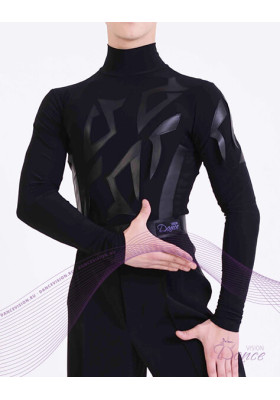
Men Latin Dress Shirt 04
$255.00US

Latin Top-09
$106.25US
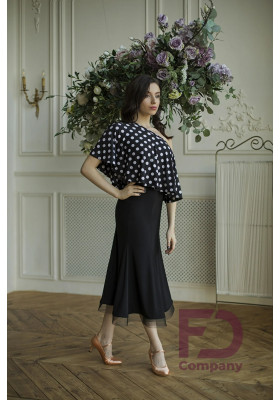
Ballroom Skirt 03 Black
$153.00US
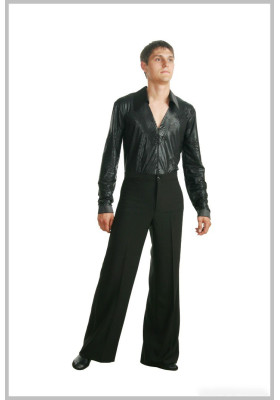
Men Latin Dress Shirt 02
$127.50US
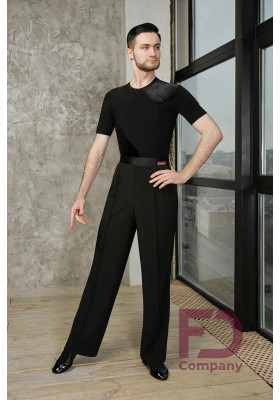
Men Ballroom Pants 07
$178.50US

Primabella Men Latin Pants - Bloomers
$246.50US
-280x400.jpg "Ballroom Skirt 24")
Ballroom Skirt 24
$238.00US
-280x400.jpg "Leggings-14")
Leggings-14
$246.50US

Latin Top-02 Even
$136.00US

Leotard-65 K Pink
$165.75US

Latin Pants - 06 Gleaming
$297.50US