


- 22 August, 2026
- 80
- 0
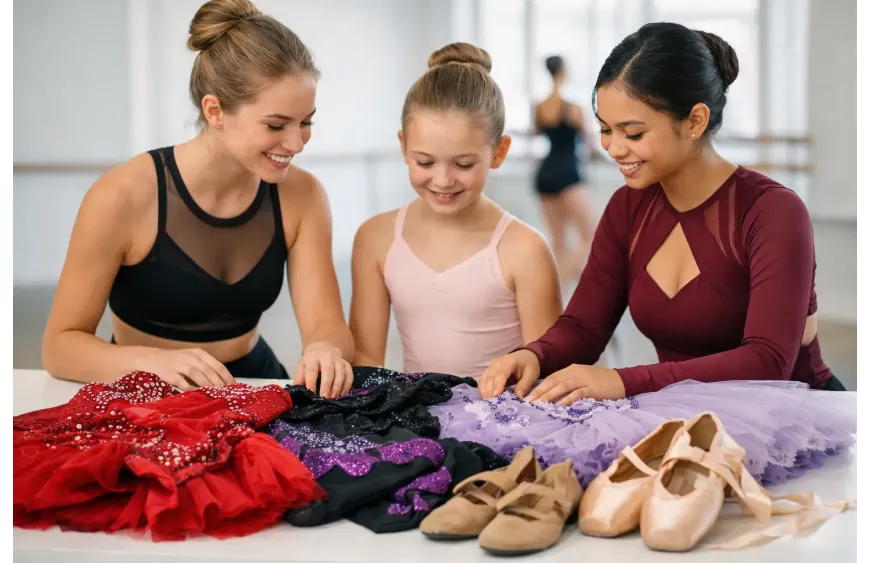
A costume can look spectacular under ballroom lights and still be the wrong choice if it restricts a natural arm line, catches during a spin, or shifts after one fast Latin routine. Searches for “Dance Costume Canada, Dance Costumes Canada, Dance Costumes Toronto, Dance Costumes, Competition Dance Costumes, [Ballroom Dance Costumes](Performance Ballroom Dress 08), Latin Dance Costumes” all lead to the same goal: finding apparel that supports the way you actually dance.
The best dance costume is not simply the most decorated one. It is a garment that suits your discipline, routine, age category, comfort level, and event requirements. For a first showcase, that may mean a polished dress with dependable coverage. For a seasoned competitor, it may mean a Latin costume designed to create movement and definition from every angle. The right choice begins with the dance itself.
Dance Costumes Canada: Start With Your Dance Style
Ballroom and Latin styles ask very different things of a costume. Buying by color alone can leave a dancer feeling overdressed, underprepared, or physically limited once music starts.
Ballroom or standard dancing calls for long, continuous movement. Waltz, foxtrot, tango, quickstep, and American smooth often benefit from dresses and gowns that create shape through the skirt, floats, draping, or soft fabric layers. The garment should complement traveling steps and turns without becoming difficult to manage. A skirt that feels beautiful while standing still may be too heavy for a fast quickstep, while overly loose sleeves or floats can distract from the frame.
Latin dance costumes are built around rhythm, body action, and sharper visual contrast. Cha-cha, rumba, samba, jive, salsa, and bachata pieces often use fitted silhouettes, fringe, mesh, strategic cutouts, or asymmetric details that react to movement. A Latin dress should stay secure through locks, spins, and quick weight changes. If you are continually adjusting a neckline, hem, or strap, it is taking focus away from your dancing.
For social dance, practice, and teaching, a competition-level costume is rarely necessary. A flattering practice skirt, dance top, bodysuit, trousers, or comfortable dress can provide the mobility and polish you need without the care demands of a heavily embellished garment. Practicewear is also where many dancers learn what silhouettes make them feel most confident before investing in a showcase or competition look.
Competition Dance Costumes Need More Than Sparkle
Competition dance costumes have a job to do from the moment you walk onto the floor. They need to suit the character of the dance, read well from a distance, and allow clean technique without creating a wardrobe concern.
Fit is the first test. A bodice should feel secure when you raise both arms, rotate through the torso, and take a full dance hold. A skirt should clear your legs during side steps and turns. Men’s shirts and pants need enough room through the shoulders, back, seat, and thighs to maintain frame and move freely. Children’s and juvenile competition dresses should also provide appropriate coverage while remaining comfortable enough for young dancers to focus on their routines.
Then consider movement. Fringe is exciting because it amplifies hip action and rhythm, but it can add visual noise if it is too dense or long for the choreography. Full ballroom skirts create drama, yet they need balance and manageable volume. Stones, appliques, feathers, and other embellishments can elevate a look, but they also add weight and require more careful handling. More decoration is not automatically more effective.
Event rules matter, particularly for youth categories and sanctioned DanceSport competitions. Requirements may vary by age group, level, and organizer, so check the current regulations before choosing a costume. This is especially important when selecting juvenile competition dresses, open-back designs, skin-tone mesh, embellishments, or accessories. A beautiful costume is only useful if it is permitted on the floor.
How to Choose Ballroom Dance Costumes
When choosing ballroom dance costumes, think about your line in motion. Standard and smooth costumes should create a unified picture with your partner and support your upper-body presentation. The goal is not to hide technique under fabric. It is to give your movement an elegant finish.
Start by testing the skirt. Walk forward and backward, take a large side step, turn, and simulate the rise and fall of your dance. The hem should not catch under your shoes or pull the waist out of place. If you wear floats, make sure they are attached and positioned so they enhance your shape without tangling around your arms or partner.
Fabric choice affects both appearance and comfort. Stretch fabrics can offer a close, secure fit for bodices and sleeves. Lightweight chiffon and similar soft materials can create fluidity in skirts and drapes. If you run warm during rounds or long practice sessions, breathable fabric and manageable layers may matter more than a dramatic but heavy design.
Men dancing standard or smooth should prioritize clean fit through the shirt, vest, pants, and jacket where applicable. Clothing that is too loose can look untidy in hold, while clothing that is too tight can restrict shoulder movement and posture. Proper ballroom shoes complete the picture by providing the stability and glide needed for the floor.
Latin Dance Costumes Should Move With You
Latin dance costumes should feel secure before they look daring. The best test is simple: move like you will perform. Take sharp arm actions, rotate, spin, settle into your hip action, and try a quick change of direction. If the costume shifts during those basics, it needs a different fit or additional support.
Dancers often choose Latin looks for their energy, whether that means fringe, rhinestone details, bold color, a skirt with movement, or a sleek fitted design. The right level of detail depends on the event and your own style. A newcomer may feel strongest in a clean, well-fitted dress with controlled sparkle. An experienced competitor may want a more elaborate piece that highlights specific choreography and body lines.
Coverage deserves the same attention as design. A costume should let you move confidently from every angle, including during turns and floorwork if your routine includes it. Consider the underlayers, built-in briefs or bodysuit construction, strap placement, and closures. These details are easy to overlook online but make a major difference after several heats.
For men, Latin shirts, fitted tops, and dance pants should allow a full range of motion while preserving a sharp silhouette. The fabric should not pull across the back during a lead or feel restrictive through the hips and knees. Latin shoes are equally important: the correct fit and flexibility help dancers articulate the foot, control turns, and stay connected to the floor.
Build a Complete Look Around Fit and Function
Costuming works best when clothing, shoes, and accessories are considered together. A dress may need a particular heel height to keep its hem at the right length. A ballroom gown may require a supportive undergarment that does not show through the fabric. A men’s costume may need the right belt, shirt fit, and shoe style to maintain proportion.
For dancers purchasing online, use the garment size chart rather than assuming your everyday clothing size will translate directly. Take current measurements, especially through the bust, waist, hips, torso, inseam, and chest where relevant. If you are between sizes, the answer depends on the garment construction. Stretch dancewear can sometimes accommodate a closer fit, while structured pieces may need more room or professional alterations.
Parents shopping for youth dancewear should leave space for growth only when it will not compromise safety or presentation. Oversized straps, loose waistbands, and overly long hems can interfere with technique. A garment that fits well now is usually the better choice for a scheduled event.
Dancewear Champions helps Canadian dancers narrow the selection through categories for ladies, men, boys, girls, plus-size dancewear, teaching and practice clothing, ballroom attire, Latin styles, and specialist shoes. Local dancers in Toronto and the GTA can also benefit from personal fit guidance at the Thornhill shopping location, particularly when choosing dance shoes or a more technical competition look.
Before your next showcase, social dance, or competition, try the full outfit together. Put on the shoes you will wear, move through a few steps, check the garment from all sides, and make sure you can focus on the music rather than the costume. That is when dancewear becomes performance wear.
Tags Dance Costume Canada, Dance Costumes Canada, Dance Costumes Toronto, Dance Costumes, Competition Dance Costumes, Ballroom Dance Costumes, Latin Dance Costumes