


- 27 October, 2026
- 3
- 0
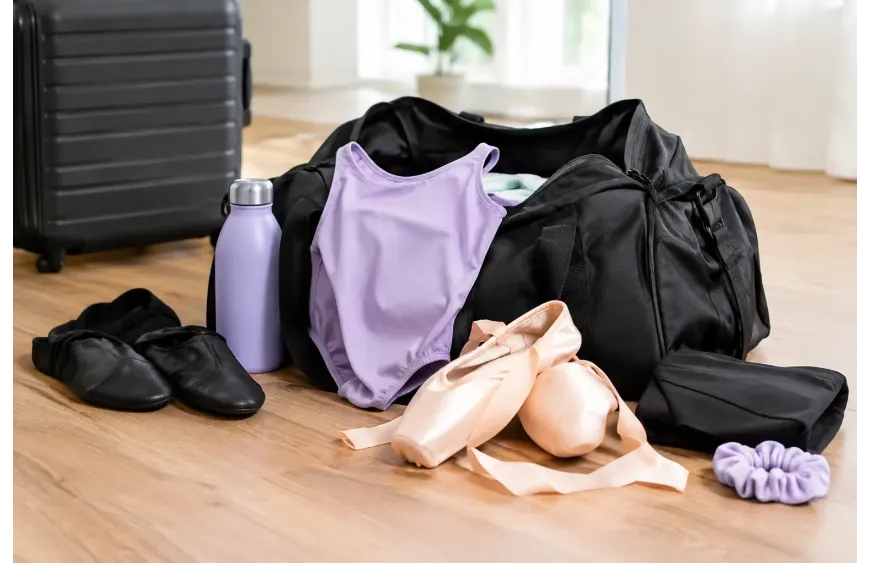
A missing hairpiece is frustrating. A missing shoe strap 20 minutes before a heat can change how a dancer feels on the floor. That is why dance competition packing Canada should begin before the night before departure, especially when costumes, weather, travel, and a full weekend schedule are involved. The goal is not to bring everything you own. It is to bring the right items in a way that keeps them clean, easy to find, and ready when your number is called.
Start With Your Competition Schedule
Before opening a suitcase, print or save the event schedule and read it closely. Mark each heat, style, costume change, award session, and call time. A ballroom dancer may need one look for smooth or standard and another for Latin or rhythm. A young dancer may have a juvenile competition dress, warm-up layer, and a separate practice outfit for the same day.
Packing works best when you build it around performances rather than around categories. Lay out each complete look from head to toe: costume, undergarments, shoes, jewelry, hair accessories, and any required tights or socks. Take a quick photo of every finished outfit. If something is accidentally left in a hotel room or backstage, the photo makes it much easier to spot what is missing.
If several dances use the same garment, decide when it needs to be refreshed. A Latin shirt, bodysuit, or pair of practice pants may be suitable for multiple rounds, while a white shirt or light-colored costume may need a backup. The right amount of spare clothing depends on the number of days, how much a dancer sweats, and whether the event is close enough to home for a quick return trip.
Dance Competition Packing in Canada Means Planning for Weather
Canadian competition travel can involve a cold walk from the parking lot, rain outside the venue, or a heavily air-conditioned ballroom inside. Performance clothing is made for movement and presentation, not for waiting outdoors. Pack a warm, easy-to-remove layer that will not crush rhinestones, snag mesh, or leave lint on a costume.
A zip-front warm-up jacket, loose dance pants, and clean socks are practical choices. Dancers should avoid wearing competition shoes outside, even for a short walk from the car. Street moisture, salt, grit, and uneven pavement can damage suede soles and bring dirt onto a clean dance floor.
For winter travel, place shoes and costume bags inside a larger protective bag while moving between the vehicle and venue. If a garment arrives cold, let it come to room temperature before steaming or pressing it. Applying heat to a very cold fabric can be risky, particularly with delicate stretch fabrics, glued stones, feathers, or appliqués.
Pack Costumes for Protection, Not Just Space
A competition dress or formal ballroom gown deserves more than being folded into a suitcase. Use a garment bag whenever possible, and separate heavily stoned pieces from delicate mesh, chiffon, or fringe. Tissue paper can help prevent layers from catching on each other and reduces deep fold lines in skirts.
Hang costumes as soon as you arrive, if the hotel room allows it. Check the hem, closures, straps, and decorations under good light. This is also the best time to identify a loose hook, missing stone, or small tear before the competition morning.
Bring a compact costume repair pouch. It does not need to be elaborate, but it should include a needle, thread in useful colors, small scissors, safety pins, fashion tape, spare hooks, and a few replacement rhinestones if your outfit uses them. Clear adhesive suitable for costume stones can be useful, but make repairs well before you need to wear the garment so everything has time to set.
For youth dancers, label garment bags, shoe bags, and makeup cases with the dancer's name. Competition weekends can involve many similar black bags in a shared change area, and labeling saves time for parents, dancers, and teachers.
Shoes Need Their Own Plan
Dance shoes are performance equipment. Pack each pair in a separate shoe bag so soles do not transfer dust or color onto clothing. Bring the correct pair for every discipline: Latin or rhythm shoes are not a substitute for standard, smooth, or ballroom shoes when the heel, support, and movement needs differ.
A second pair can be helpful for dancers with multiple rounds, outdoor travel, or a history of shoe issues. It is not essential for every competitor, but it offers peace of mind when a buckle breaks, a strap stretches, or a sole becomes damp. New shoes should be tested during practice before competition day. A major event is not the best time to discover that a toe box feels tight or that a heel height changes your balance.
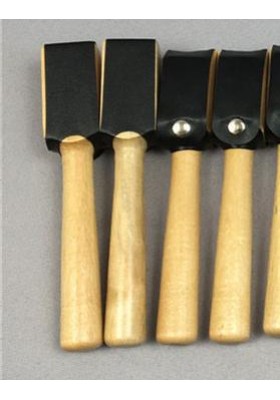
Include a shoe brush for suede soles, heel protectors when appropriate for the venue and heel type, spare laces for men's shoes, and blister care. Keep these items accessible rather than buried at the bottom of a checked bag. If you are flying, competition shoes and at least one complete costume should travel with you in your carry-on whenever possible.
Keep Hair, Makeup, and Accessories Together
A dedicated beauty case prevents the familiar last-minute search for bobby pins. Pack hair and makeup in the order they will be used, with a small touch-up kit for the ballroom. That kit may include powder, lipstick, lashes or lash adhesive if used, hairpins, a comb, tissues, and deodorant. Choose products you have already tested. Competition morning is not the moment to try a new foundation shade or a stronger hair spray.
Accessories deserve the same care as costumes. Store earrings, necklaces, cuffs, and hairpieces in small labeled pouches or containers. Bring backups for tiny high-impact items such as earrings, hair elastics, tan tights, dance socks, and garment fasteners. These take very little space but can prevent a stressful scramble.
For a partner event, confirm who is responsible for shared items. One person may carry the music backup, while the other holds the emergency sewing kit. Clear responsibility is better than both dancers assuming the other person packed it.
Build a Competition-Day Bag
Your larger suitcase stays in the room or car. Your competition-day bag should hold only what you need at the venue, organized for quick access. A dance bag with separate compartments is especially useful when you are changing between practice wear, formalwear, and shoes.
Include water, familiar snacks, a refillable bottle, a towel, tissues, a phone charger, and any medication the dancer may need. Choose snacks that are easy to eat without staining a costume or upsetting your stomach. Competition days can run long, but heavy or unfamiliar food shortly before dancing rarely feels good.
Add a small cover-up or robe for wearing over costumes while waiting. It protects your outfit, offers warmth, and helps you feel less exposed in busy backstage spaces. Parents of young dancers may also want a quiet activity, headphones, or a book for long breaks between sessions.
Do a Final Check Before You Leave
The night before travel, use a simple check: every costume has shoes, every pair of shoes has the needed accessories, and every dancer has a warm-up outfit. Then place the next day's essentials together near the door. Do not rely on memory when you are leaving early.
For local competitors in Toronto and the GTA, a personal fitting or last check of shoes and garments before a major event can be worthwhile, particularly for a first competition or a new dance category. Dancewear Champions can help dancers and families choose competition-ready apparel, appropriate footwear, and the practical accessories that often get overlooked.
A well-packed bag does more than protect clothing. It gives dancers one less thing to worry about, leaving more room for the music, the partnership, and the moment they step onto the floor.
Tags Dance Competition Packing, What to Bring, practical checklist for costumes, beauty essentials, Dance competition travel pack
Related Products
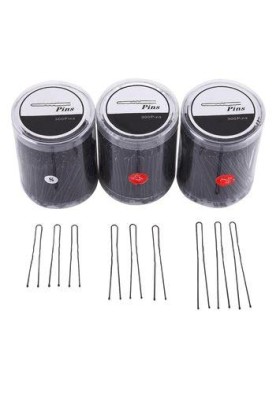
Black U Shape Hair Pins
$12.75US
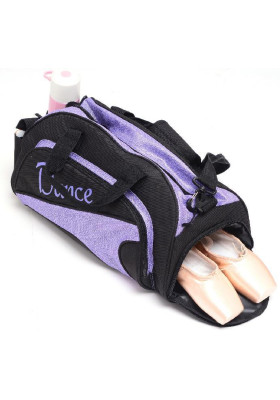
Dance Bag 01
$38.25US
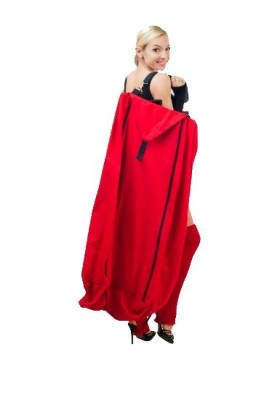
Dance Wear Covers 01
$68.00US

Metal Hair Clips 01
$8.50US
White Socks
$6.38US

ILIOS Tan
$110.50US