


- 01 September, 2026
- 7
- 0
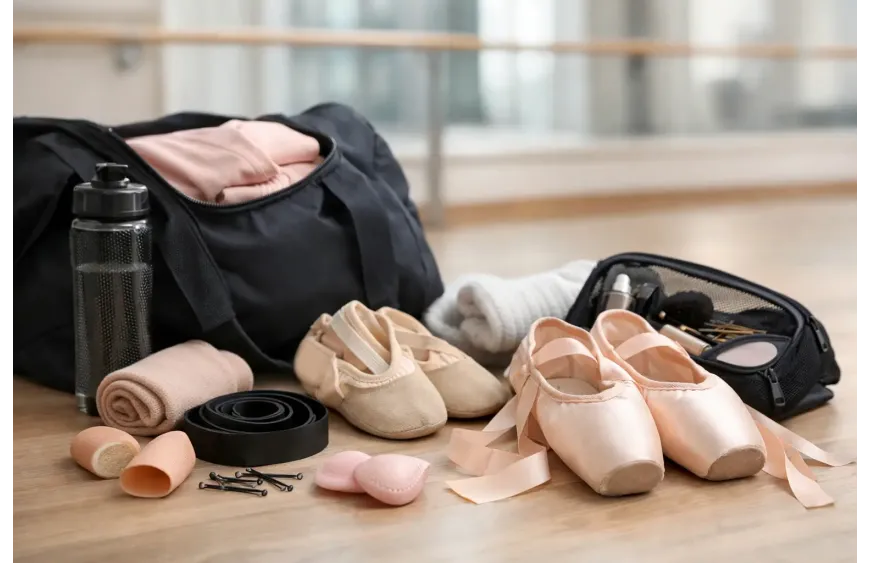
A dance bag can look well stocked and still leave a dancer unprepared. The right dance accessories solve small but distracting problems before they reach the floor: hair that will not stay secure, shoes that lose their grip, a costume that needs a clean finish, or a long competition day with no place for essentials. For social dancers, students, parents, and competitors, accessories are less about adding more and more. They are about choosing useful pieces that support comfort, presentation, and confidence.
Dance Accessories Should Have a Job
The best accessory choices begin with the kind of dancing you do. A Latin dancer may prioritize hair pieces that stay put through fast turns, shoe brushes, and performance jewelry that reads under bright lights. A ballroom dancer may need garment protection for a full skirt or gown, extra heel tips, and a bag large enough to carry shoes without crushing a costume. Ballet and gymnastics families often need dependable hair essentials, tights, and organized bags for busy class schedules.
A beginner does not need every item used by an experienced competitor. Start with the accessories that remove friction from your own routine. If you attend a weekly social class, a shoe brush and a compact bag may make the biggest difference. If you teach or practice several times a week, comfort-focused essentials and shoe care become more valuable. For a showcase or DanceSport event, presentation and backups deserve more attention.
The goal is simple: each item should help you move, stay organized, protect an investment, or look appropriately finished for the occasion.
Start With the Accessories You Use Before Dancing
Preparation starts before the first song. Hair accessories are a practical part of dancewear, especially when movement, heat, and repeated turns are involved. Hair nets, pins, elastics, clips, and decorative pieces help create a secure style that does not pull focus from your dancing. For children and youth dancers, having spares is particularly helpful. A missing elastic can become a last-minute problem when a class or performance is about to begin.
Choose hair accessories based on the style and setting. For a practice class, a simple, secure bun or ponytail solution may be all that is needed. For ballroom and Latin performances, the hairstyle should complement the costume while staying comfortable against the head and neck. Decorative accessories can add polish, but they should never be heavy, sharp, or likely to shift during a spin.
Warm-up pieces also belong in the preparation category. Dance bodies need time to get ready, particularly in colder weather or between rounds at an event. Leg warmers, warm-up tops, pants, and layers can help dancers stay comfortable without arriving on the floor stiff and cold. The best choice depends on your discipline and venue. A fitted warm-up layer may suit a studio, while a more substantial layer can be useful during a long competition day.
Protect Your Dance Shoes Between Songs
Dance shoes work hard, and their care has a direct effect on how they feel underfoot. Ballroom and Latin shoes typically have suede soles designed to provide controlled movement on suitable dance floors. Over time, those soles can collect debris and become less responsive. A shoe brush is one of the most useful accessories a dancer can carry because it helps restore the sole's texture between uses.
Brush shoes carefully and only as needed. The purpose is to remove compacted dirt, not aggressively wear down the sole. If you dance at several venues, inspect the soles regularly. Floor conditions vary, and a shoe that feels right in one studio may need attention after an evening elsewhere.
Heel protectors are another practical consideration, particularly for dancers wearing heeled ballroom, Latin, or social shoes. They can help protect heels from wear and may be required at certain studios or events. Fit matters here. A protector that is too loose can shift while dancing, while the wrong size may not stay in place at all. Check the heel shape and dimensions rather than assuming one style fits every shoe.
It is also wise to keep dance shoes separate from outdoor footwear. Carrying them in a dedicated shoe bag helps keep soles cleaner and protects delicate satin, leather, or metallic finishes from snags. Never treat dance shoes like everyday street shoes if you want them to last and perform as intended.
Match Shoe Care to Your Dance Style
A salsa or bachata social dancer may mainly need clean soles, reliable heel protectors, and a compact place to store shoes. A ballroom competitor may want a more complete setup, including backup heel tips where appropriate and careful protection for multiple pairs. Teachers and frequent practice dancers often benefit from rotating shoes so one pair is not carrying every class, rehearsal, and event.
There is no single shoe-care kit for every dancer. Your frequency of use, floor type, shoe material, and heel height all matter.
Finish the Look Without Sacrificing Movement
Performance accessories can bring a costume together, but they should work with the dance rather than compete with it. Jewelry, rhinestone details, hair pieces, belts, gloves, and costume accents can add stage visibility and character. In ballroom and Latin dance, where posture and line are so visible, a well-chosen accessory can make an outfit look intentional from the first entrance.
The trade-off is comfort. A necklace that catches on a costume neckline, earrings that swing too heavily, or a bracelet that interferes with a partner connection can become distracting quickly. Before a showcase or competition, wear the complete look during a rehearsal. Move through turns, arm styling, and any partnered figures. If an accessory shifts, scratches, tangles, or makes you hesitate, it is not ready for performance.
The same approach applies to undergarments and costume foundations. The correct support garment can improve comfort and the line of a dress, bodysuit, or top. The wrong one can show through fabric, restrict breathing, or move during dancing. Consider the garment's neckline, back, color, stretch, and level of activity. A practice outfit has different needs from a fitted competition costume.
Build a Dance Bag That Makes Sense for Your Routine
A good dance bag does not have to be oversized, but it should be organized enough to prevent avoidable stress. Separate clean clothing from shoes, and keep small essentials where you can reach them quickly. A dancer rushing into class should not have to empty the entire bag to find a hair pin or heel protector.
For regular lessons, a practical bag might hold dance shoes, a shoe brush, water, hair essentials, and a light warm-up layer. For a performance day, add garment protection, costume accessories, backup tights or essentials, and anything required to keep your shoes and appearance performance-ready. Parents preparing a child for class can make routines easier by keeping a small, dedicated pouch for hair items and labeling belongings clearly.
Avoid packing accessories just because they might be useful someday. A bag that is too heavy or cluttered makes preparation harder. Review what you actually use after a few classes or events, then refine your setup.
Choosing Dance Accessories With Confidence
When selecting accessories, think beyond color and decoration. Ask whether the item is compatible with your discipline, your shoes, your costume, and the way you dance. A delicate hair ornament may be perfect for a smooth ballroom look but impractical for a high-energy Latin routine. A larger bag may be essential for a competitor with multiple costumes but unnecessary for a beginner attending one weekly class.
Fit guidance is valuable for shoe-related accessories and performance pieces that need to stay secure. At Dancewear Champions, dancers in the Toronto area can receive personal assistance in choosing footwear and coordinating the practical items that go with it. This can be especially reassuring for first-time buyers, parents outfitting young dancers, and anyone moving from casual classes into showcases or competition.
A thoughtfully chosen accessory does not demand attention once you start dancing. It stays where it belongs, protects what matters, and lets you focus on the music, your partner, and the next step.
Tags tan, dance bag, hair accessories, dancewear covers,
Related Products
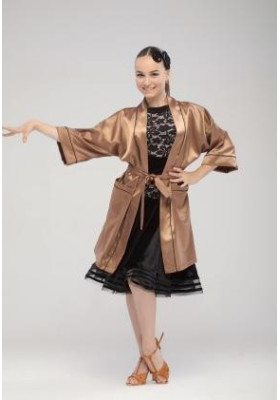
Ballroom Robe 02
$68.00US
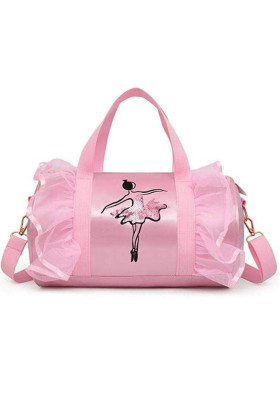
Dance Bag 03
$21.25US
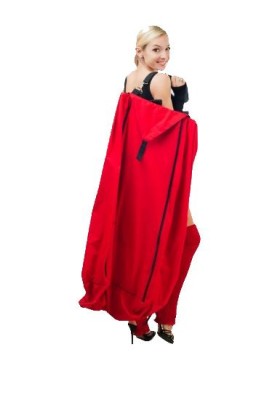
Dance Wear Covers 01
$68.00US
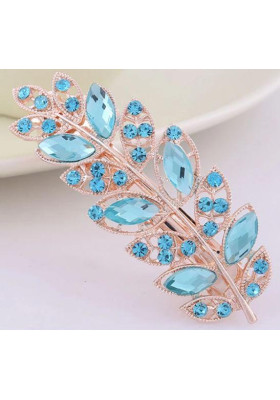
Metal Hair Clips 01
$8.50US
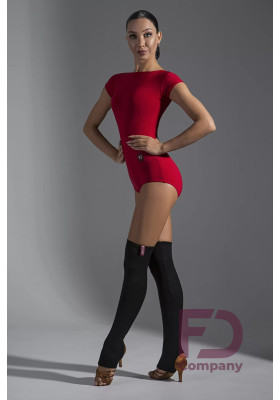
Leg warmers - 01
$29.75US

Ballroom Warm-UP - 03
$59.50US
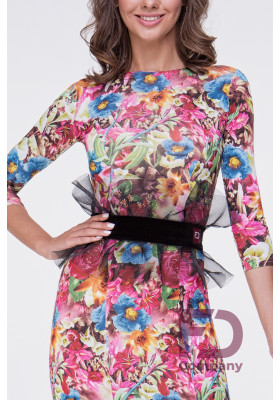
Belt
$63.75US
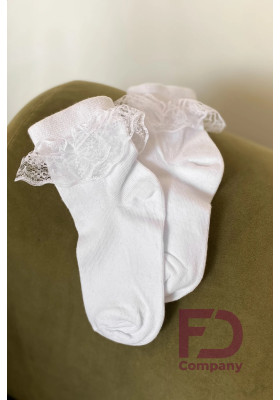
White Socks
$6.38US

ILIOS Tan
$110.50US