


- 31 August, 2026
- 12
- 0
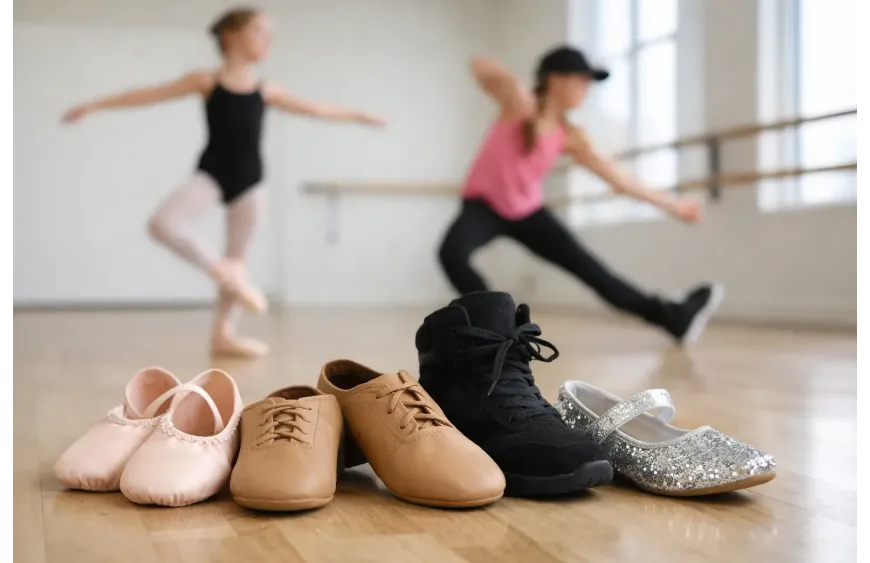
A young dancer can have the right steps and still struggle if their shoes slide, pinch, or feel unstable. The best youth dance shoe styles support developing technique without making movement feel restrictive. For parents, the goal is not simply to find a smaller version of an adult shoe. It is to choose footwear that suits the child’s dance discipline, studio expectations, foot shape, and current level of training.
A proper dance shoe gives a young dancer controlled contact with the floor, helps them point their feet naturally, and encourages the posture required for ballroom, Latin, or social dance. The right choice can also make lessons more comfortable, which matters when a child is building confidence week by week.
Best Youth Dance Shoe Styles by Dance Type
The first question is always: what kind of dance will the shoe be used for? Ballroom and Latin footwear may look similar at a glance, but their sole, shape, and heel are designed for different movement patterns.
Youth ballroom and standard shoes
For ballroom, standard, and American smooth dancing, young dancers usually need a closed-toe style. A classic youth ballroom shoe has a flexible suede sole, a secure fit through the heel, and a low, stable heel or a flat profile, depending on the dancer’s age and studio requirements.
Closed-toe shoes protect the toes when partners are learning floorcraft and hold. They also create the clean, polished line associated with waltz, foxtrot, quickstep, tango, and smooth dances. For boys and young leaders, a lace-up ballroom shoe is often the most practical option because it can be adjusted across the instep. For girls and young followers, a closed-toe court-style shoe or youth ballroom pump may be appropriate when permitted.
A lower heel is usually the sensible starting point. It provides stability while the dancer learns to roll through the foot, maintain balance in turns, and move backward with control. Higher heels may be required later for certain competition categories, but they should never come before comfort and safe technique.
Youth Latin dance shoes
Latin, salsa, bachata, cha-cha, rumba, jive, and samba call for more articulation through the foot. Youth Latin shoes are commonly open-toe or sandal styles for girls, while boys often wear a flexible Latin shoe with a lower heel and a close, streamlined fit.
A sandal with straps across the forefoot can allow the dancer to point the toes and use the ball of the foot more clearly. The trade-off is that open styles need to fit especially well. If the front straps are loose, the foot can slide forward. If they are too tight, the dancer may curl their toes or avoid using the foot fully.
Look for adjustable buckles or straps that hold the ankle securely. A buckle that sits comfortably and does not rub is more useful than decorative details. For young dancers, simple and supportive is often the better choice, particularly for regular classes and early competitions.
Practice shoes for growing dancers
Practice shoes are among the most versatile options for youth dancers who attend several classes each week or train in more than one style. They typically offer a suede sole for turning, a more covered upper, and a secure lace-up or strap design. Some have a split sole for extra flexibility; others have a fuller sole for a slightly more supportive feel.
These shoes can be an excellent choice for lessons, drills, social dance events, and technique practice. They are often more forgiving than a formal competition shoe, especially for dancers who are still adapting to heel placement or who need footwear that feels comfortable for longer sessions.
Practice shoes are not always the correct choice for a formal ballroom or Latin event. If a studio, showcase, or competition has costume and footwear rules, check those expectations before choosing one pair to do everything.
Suede Soles Matter More Than Most Parents Expect
For ballroom and Latin dance, the sole is one of the most important features. Suede soles are designed to provide a controlled amount of grip and glide on a proper dance floor. They help dancers turn, travel, and stop without the abrupt stickiness common with rubber-soled street shoes.
A shoe that grips too much can place unwanted pressure on the knees and ankles during turns. A sole that is too slippery can make a young dancer hesitant. Suede offers a useful middle ground, but it does need care. Over time, the sole collects dust and becomes smoother, reducing traction. Brushing it with a dance shoe brush restores the nap and helps maintain more consistent floor contact.
Suede soles are intended for indoor dance use. Walking outdoors in them can damage the material quickly and bring grit onto the studio floor. Encourage young dancers to change into their dance shoes at the studio or venue and carry them in a dance bag afterward.
How Youth Dance Shoes Should Fit
A dance shoe should feel secure from the first fitting. It may be more fitted than a sneaker, but it should not cause pain, numbness, rubbing, or pressure at the toes. Young dancers need room to move, yet too much extra space can make it difficult to point the foot, balance on one leg, or control a turn.
Check that the heel stays in place when the dancer walks and rises onto the balls of their feet. In a closed-toe shoe, the toes should lie flat and reach close to the front without being cramped. In an open-toe sandal, the toes should not extend far beyond the sole. The straps should hold the foot without leaving deep marks.
It is tempting to buy noticeably larger shoes to allow for growth. That usually creates a false economy in dance footwear. A shoe that is too long or too wide can make training harder and may lead to blisters as the foot moves inside it. Choose the best current fit, then inspect the shoes regularly as your child grows.
Sizing can vary between brands and even between shoe designs. A child who wears one size in a school shoe may need something different in a fitted ballroom shoe. When possible, have the dancer try shoes while wearing the socks or hosiery they will use in class. At Dancewear Champions in Thornhill, personalized fitting can be particularly helpful for families deciding between styles or working with a narrow heel, wide forefoot, or high instep.
Choosing the Right Heel for Youth Dancers
Heel height is not only about appearance. It changes balance, posture, weight placement, and how the dancer uses the legs and feet. The best option depends on age, ability, dance category, and the instructor’s guidance.
For beginners, children’s flat shoes or low-heel styles are usually appropriate. They allow the dancer to learn timing, partnering, foot pressure, and basic technique without adding unnecessary instability. A modest Cuban-style heel may work well for some young dancers, especially where it is expected for ballroom or Latin training.
As dancers progress, they may move into a more specialized heel that meets competition guidelines. This should be a gradual transition, not a rushed one. If a dancer cannot stand comfortably with aligned knees and hips in the shoe, or repeatedly loses balance in basic movements, the style may be too advanced for the moment.
Materials, Straps, and Details That Affect Comfort
The upper material shapes how a shoe feels over time. Satin is often chosen for dressier performance and competition looks, while leather or synthetic materials can be practical for regular training. Soft materials can conform nicely to the foot, but they may also show wear sooner. More structured uppers may feel secure, though they can need a short break-in period.
For youth Latin sandals, strap placement deserves close attention. Crisscross straps can create a secure look, but the best arrangement depends on the dancer’s foot. A high instep may need more adjustability, while a narrow foot may benefit from straps that can be tightened precisely. Avoid assuming that a shoe will become comfortable after many painful classes. A brief adjustment period is normal; persistent discomfort is a fit problem.
Color should follow the occasion. Neutral tones are often useful for practice and some events, while studio uniforms, showcases, and competitions may call for a particular shade or finish. Confirm requirements before selecting a shoe for a performance.
When One Pair Is Enough and When It Is Not
For a beginner taking one weekly ballroom class, one well-fitted practice or discipline-appropriate shoe may be all they need. A young dancer training seriously in both standard and Latin may eventually benefit from separate pairs. Standard shoes support the closed-toe look and movement of ballroom, while Latin shoes provide the flexibility and line needed for rhythm dances.
A separate practice pair can also extend the life of competition shoes. This is especially useful for dancers who rehearse frequently, attend workshops, or compete throughout the season. The best setup depends on how often the child dances and whether their studio has specific footwear rules.
The right youth dance shoe should let a child focus on counts, music, partners, and the joy of improving - not on sore feet or slipping soles. Start with the dance style and a secure fit, listen to the instructor’s requirements, and reassess as the dancer’s training and feet continue to grow.
Tags Youth Latin dance shoes, Youth ballroom and standard shoes, Practice shoes, Youth Dance Shoe, Best Youth Dance Shoe
Related Products
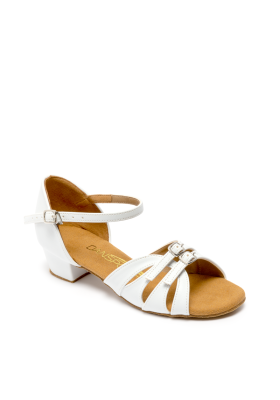
IDS - Dansport - Girls - 1.25"
$136.00US

Sale
Girls Low Heels Dance Shoes 01
$144.50US $136.00US
Sale
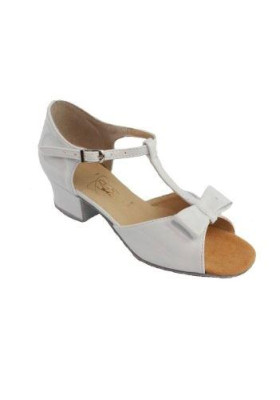
Girls Low Heels Dance Shoes - Butterfly
$140.25US $136.00US
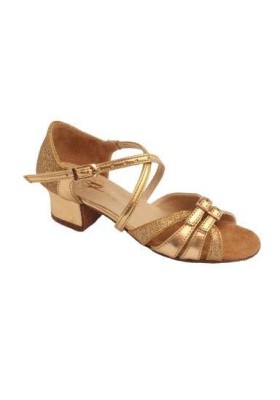
Girls Low Heels Dance Shoes 04
$131.75US
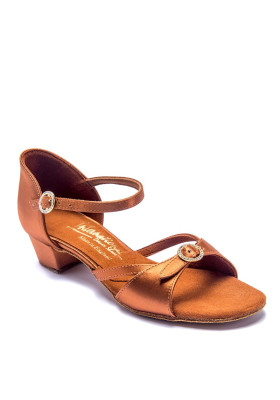
Sale
IDS - GIRLS NATASHA - TAN SATIN - Heel 1.25 inch
$136.00US $127.50US
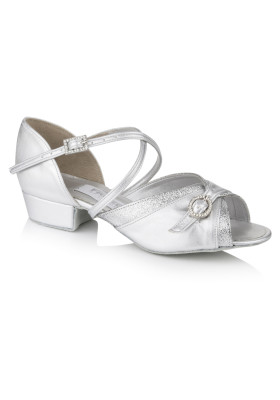
Sale
Freed Of London - GIRLS Lucy - Heel 1 inch
$136.00US $127.50US
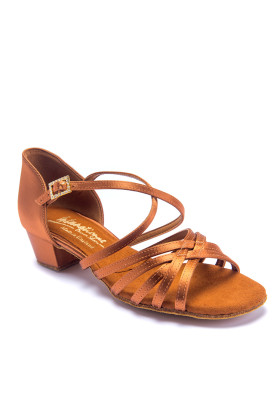
Sale
IDS - GIRLS Flavia - TAN SATIN - Heel 1.25 inch
$136.00US $127.50US
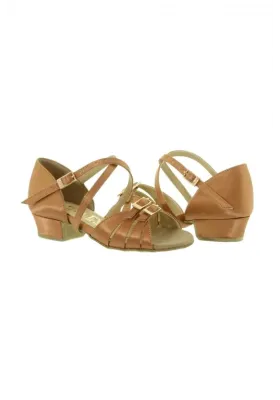
Sale
Galex - Girls Beige Leather - Heel - 3.5cm
$148.75US $131.75US