


- 10 November, 2026
- 8
- 0
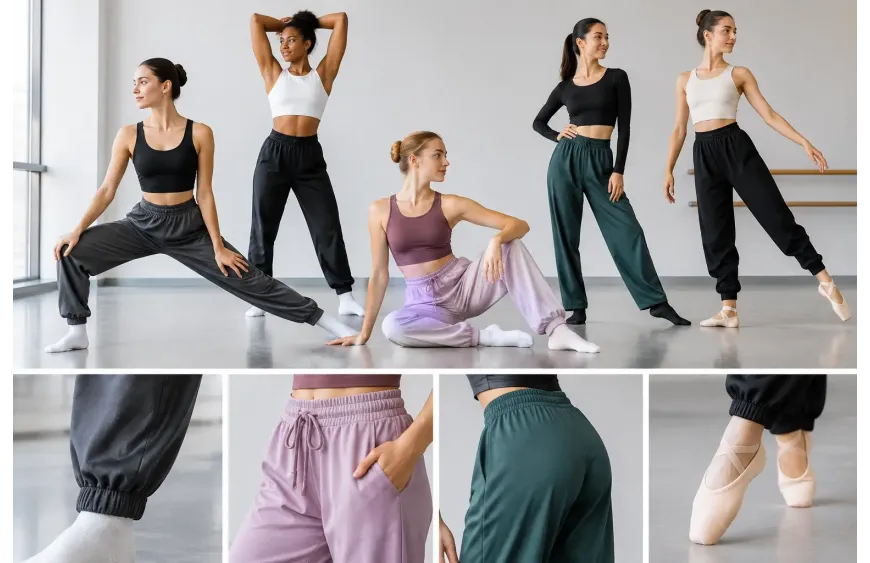
The best dance warmup pants do more than keep you comfortable on the way to class. They help your muscles stay warm between combinations, give you coverage during stretching, and let you arrive at the floor feeling ready rather than stiff. The right pair should support your movement without becoming something you have to keep pulling up, stepping on, or removing halfway through practice.
For dancers, warmup pants are not one-size-fits-all. A ballet student preparing at the barre has different needs from a ballroom dancer rehearsing turns in closed hold, a Latin competitor running through sharp leg action, or a parent choosing practical layers for a young dancer. Fabric, rise, leg shape, and length all change how a pair performs in the studio.
What Makes the Best Dance Warmup Pants?
A good warmup pant starts with mobility. You should be able to plié, lunge, stretch, walk, and take full dance steps without the seat, inner thigh, or waistband pulling. This is why dance-specific warmups tend to work better than casual sweatpants that are bulky through the leg or restrictive when you bend.
Warmth matters, but so does breathability. Your body needs a little extra insulation before class begins and during breaks, particularly in a cooler studio or while waiting at a competition. Once you start moving, though, heavy fabric can quickly feel damp and cumbersome. The best choice gives you enough warmth for your setting without trapping too much heat.
Practical details also matter more than they may seem. A secure waistband stays in place during floor work and stretching. A hem that clears your dance shoes reduces the chance of catching under a heel. A fabric with enough recovery keeps its shape through regular washing and repeated rehearsals.
Choose the Right Fabric for Your Practice
Fabric is usually the first decision, because it determines how warm, flexible, and polished your pants will feel.
Cotton blends for everyday studio wear
Cotton-rich warmup pants feel soft, familiar, and comfortable for easy class days, travel, or lighter warmups. A blend with a small amount of stretch is generally more useful for dance than 100 percent cotton, which can hold moisture and lose its shape after a long session. These pants are often a reliable option for young dancers and adults who want a relaxed layer before and after class.
The trade-off is that thicker cotton fleece can be too warm for high-energy Latin drills, salsa practice, or a crowded studio. If you tend to heat up quickly, look for a lighter knit rather than the heaviest sweatshirt fabric.
Stretch performance fabrics for active training
Smooth, stretch performance fabrics are a strong choice when your warmup includes serious movement. They usually follow the body more closely, dry more quickly, and allow a greater range of motion than traditional sweatpants. This makes them especially useful for dancers who move from warmup into technique work without much downtime.
A streamlined performance pant can also look neat for teaching, studio travel, or practice sessions where you want a more finished appearance. Check that the fabric is opaque through a deep squat or lunge, especially if you plan to wear the pants over a bodysuit, fitted top, or dance shorts.
Knit and loose warmups for ballet-focused dancers
Loose knit warmups and soft leg layers have a long-standing place in ballet training. They can help maintain warmth while allowing the teacher to see enough of the dancer’s line and placement. Some dancers prefer them for barre, conditioning, and the early part of class, then remove them for center work.
Keep the silhouette in mind. Very loose fabric may obscure knee alignment, turnout, and ankle articulation. That is not always a problem, but it can be less helpful when you need detailed correction or are working closely with an instructor.
Fit Matters More Than the Size on the Label
Dancewear sizing is about usable movement, not simply whether a garment can be put on. Start with the size chart for the specific style, then consider where you want the pants to sit on your waist or hips. A high-rise waistband can feel secure during stretching and floor exercises. A mid-rise fit may feel more relaxed for social dance practice or travel.
The waistband should stay put without digging in. If it rolls down when you bend, it is either too tight, too low for your body shape, or not structured enough for the movement you do. Drawstrings can be helpful for fine-tuning a relaxed fit, while wide elastic waistbands often provide smooth, dependable coverage.
Pay close attention to the seat and thighs. Pants that look good standing still can become restrictive in a plié, passé, lunge, or low Latin action. You want enough ease to move naturally, but not so much fabric that it bunches behind the knees or twists around the leg.
For youth dancers, leave enough room for normal movement and layering, but avoid buying several sizes too large. Oversized pants can catch under shoes, cover foot placement, and make it difficult for teachers to see alignment. A proper fit is safer and more useful than an extra-long lifespan.
Pick a Leg Shape That Suits Your Dance Style
The hem and leg shape can change both safety and appearance. This is especially true when you are wearing dance shoes with heels, suede soles, or a close-fitting strap.
Tapered and jogger-style pants
Tapered pants are one of the most versatile choices for general dance practice. The closer ankle helps keep fabric away from shoes, while the roomier upper leg supports warmups and stretching. They work well for many ballroom, Latin, jazz, conditioning, and recreational dance settings.
For ballroom and social dancers, a tapered hem is often practical when practicing footwork, spins, and partner patterns. It is less likely to interfere with your shoe or become caught when you move around another dancer’s feet.
Straight-leg pants
Straight-leg warmup pants give a classic, relaxed look and can be comfortable over leggings, tights, or dance shorts. They are useful for commuting, waiting between classes, and gentle warmups. However, length is critical. The hem should not drag on the floor or sit under the back of your heel.
If you wear heeled Latin or ballroom shoes, test straight-leg pants with the actual shoes you practice in. Walk, take a backward step, and try a few turns. A hem that seems fine in a fitting room can become a distraction on the dance floor.
Fitted warmup leggings and pants
Fitted warmup pants provide the clearest view of leg action and are ideal when technique feedback is a priority. They also layer easily under longer tops or over a bodysuit. Dancers working on ballet alignment, Latin leg lines, or strength training often appreciate the secure, low-bulk feel.
They offer less insulating air space than loose sweats, so they may not be the warmest option for cold travel or long breaks. Many dancers solve this by pairing fitted pants with a removable outer layer.
Match Your Warmups to the Moment
The best pair for class may not be the best pair for a competition day. Consider when and where you will wear them.
For studio class, choose pants that allow your instructor to see enough of your movement and that you can remove easily if needed. For a long rehearsal, prioritize moisture management, a comfortable waistband, and a hem that stays controlled. For travel to a showcase or competition, a polished, wrinkle-resistant style may be more useful than bulky fleece.
Ballroom and Latin dancers should also think about transitions. Warmup pants are excellent before a lesson, during practice breaks, and while waiting to take the floor. Once you are ready for partner work, turns, and detailed coaching, you may prefer a closer-fitting practice bottom or your usual dancewear so your instructor can clearly assess your body action and leg placement.
Care Helps Your Pants Perform Longer
Warmup pants tend to work hard. They are worn over dancewear, packed into bags, washed frequently, and sometimes pulled on over warm legs after class. Follow the garment label, wash similar colors together, and avoid high heat when the fabric contains stretch fibers. High dryer heat can shorten the life of elastic waistbands and reduce recovery in performance materials.
Turn smooth performance pants inside out before washing to help protect the outer finish. If your pants have drawstrings, tie them loosely or secure them before laundering so they do not disappear into the waistband. Keeping a dedicated pair in your dance bag also means you are not left wearing cold street clothes when the studio temperature drops.
Finding a Pair You Will Actually Wear
The right warmup pants should feel like part of your dance routine, not an extra layer you tolerate. Choose the fabric based on how hard you train, the leg shape based on your shoes and discipline, and the fit based on the movements you repeat most often.
If you are unsure between two styles, try your usual warmup sequence in each: a few pliés, lunges, side stretches, walks, and turns. At Dancewear Champions, knowledgeable fit guidance can help dancers and families narrow down the choices for ballet, ballroom, Latin, practice, and everyday studio wear. A pair that moves quietly with you and stays out of your way is the pair you will reach for before every class.
Tags best dance warmup, dance warmup pants, pants for ballet, pants for ballroom, pants for Latin,
Related Products
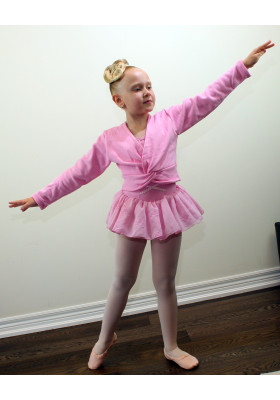
Ballet Warm-UP 01
$21.25US
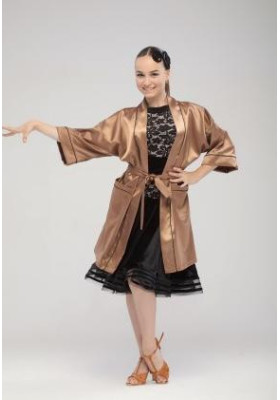
Ballroom Robe 02
$68.00US
Sale
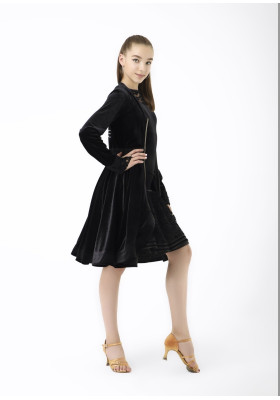
Velvet Ballroom Robe
$119.00US $84.15US
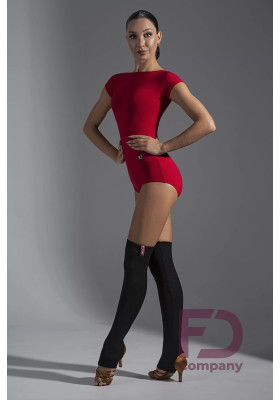
Leg warmers - 01
$29.75US

Ballroom Warm-UP - 03
$59.50US

Ballroom Warm-UP - 03 K
$59.50US