


- 26 October, 2026
- 12
- 0
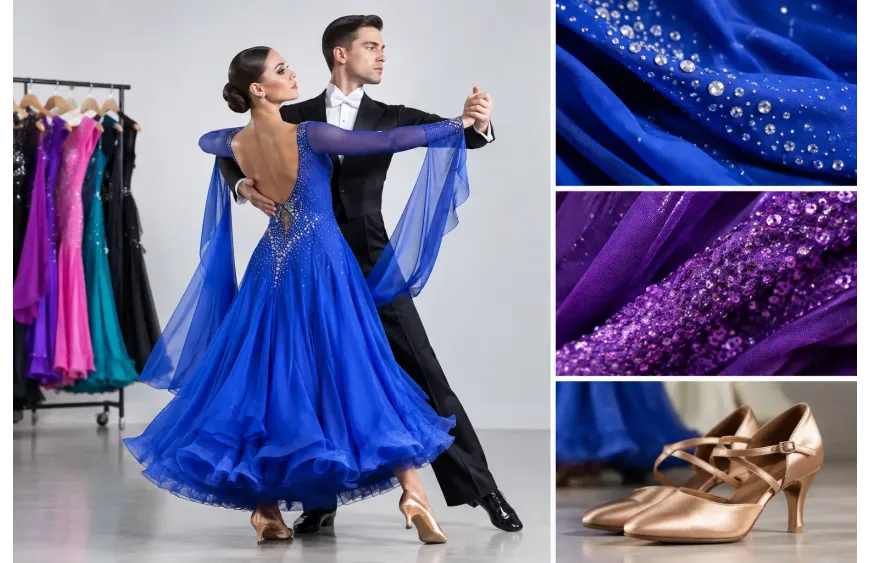
A ballroom costume can look exquisite under studio lighting and still disappoint the moment you begin a natural turn, a ronde de jambe, or a fast Latin jive. The best ballroom costume fabrics do more than photograph beautifully. They stretch where they need to, drape with intention, stay comfortable through a long event, and support the character of your dance.
Fabric is one of the first decisions to make when choosing or planning a competition dress, showcase outfit, or performance costume. It affects fit, movement, embellishment options, care, and how confident you feel on the floor. A soft fabric that flows beautifully for Standard may feel too loose for Latin. A high-shine textile can create a strong first impression, but may reveal every wrinkle or limit breathability.
What Makes a Ballroom Costume Fabric Work?
The right fabric depends on your dance style, choreography, body shape, venue, and level of competition. It also needs to work with the construction of the garment. A fitted Latin dress may need four-way stretch through the bodice and hips, while a Ballroom gown needs a stable base plus layers that float behind the dancer.
Start with movement. Raise your arms, rotate through your back, take a full stride, and practice the shapes that appear in your routine. Fabric should recover after stretching rather than sagging at the elbows, seat, or neckline. It should also feel secure. Constantly adjusting a strap, hem, or bodice takes focus away from your dancing.
Then consider visual effect. Under ballroom lighting, matte and shiny surfaces read differently. Rhinestones, fringe, feathers, lace, and appliqués all need an appropriate foundation. A fabric with too much texture can compete with embellishment, while a very thin fabric may need lining to avoid looking unfinished.
The Best Ballroom Costume Fabrics by Dance Style
Stretch lycra and spandex blends for Latin
Stretch lycra, often blended with spandex, is a staple for Latin, salsa, bachata, and rhythm-inspired costumes. It provides close body-skimming fit, excellent freedom of movement, and a clean base for stones, fringe, mesh inserts, and appliqués. It is especially useful for dresses with asymmetrical lines, fitted sleeves, open backs, and bodysuit-based designs.
Choose a heavier-quality stretch fabric for areas that need support, such as the bodice, waistband, or dance pants. Lightweight versions can be comfortable, but they may show undergarment lines and can become less opaque when stretched. For dancers who prefer more coverage, a lined bodice or layered construction makes a major difference.
Lycra is practical for youth competitors as well. It is flexible, durable, and generally easier to care for than delicate fashion fabrics. The trade-off is that it can look plain without thoughtful cut, contrast panels, or embellishment. A strong silhouette matters as much as sparkle.
Stretch mesh for coverage without bulk
Stretch mesh is one of the most useful fabrics in ballroom costume design. It creates the appearance of bare skin while providing coverage across the shoulders, neckline, midriff, back, or sleeves. It can also soften transitions between colors and make a costume feel lighter than a fully solid design.
For Latin costumes, power mesh offers more hold than fine mesh and is often better for larger panels or long sleeves. Fine mesh is beautiful for delicate details, but it can snag more easily and may require careful handling around jewelry, stones, and zippers. Match the mesh closely to your skin tone if you want an invisible look, or use black and color mesh as a deliberate design feature.
Mesh does not have to be sheer. Layered mesh can give a soft, flowing effect on skirts and panels, particularly for American Smooth or social dance outfits where you want movement without the volume of a full gown.
Chiffon for Standard and Smooth float
Chiffon brings air and motion to Ballroom and American Smooth dresses. It is light, soft, and ideal for skirt layers, godets, drapes, floats, and wrist streamers. When a dancer turns, chiffon continues the movement a fraction longer, which helps create the sweeping visual line associated with waltz, foxtrot, tango, and Viennese waltz.
Because chiffon is sheer and does not stretch much, it is usually paired with a supportive stretch base or lining. It is not the best choice for a fitted, high-movement bodice on its own. It can also catch on heels, jewelry, and costume hardware, so hem length and attachment points need careful attention.
The payoff is considerable when the dress needs softness and scale. A well-placed chiffon float can enhance arm styling without making the dancer feel swallowed by fabric. For younger dancers, keep floats secure and proportionate so they do not interfere with partnership connection.
Georgette for a little more body
Georgette has a similar airy quality to chiffon but usually offers a slightly more textured surface and a bit more body. It works well in layered skirts, overskirts, sleeves, and float details where you want motion that holds its shape a little longer. It is a strong option for dancers who find chiffon too delicate or too fluid.
Like chiffon, georgette benefits from a stable underlayer. It is best used to create volume, movement, and visual softness rather than structure. A dress with georgette layers can look especially polished in Ballroom divisions where the skirt needs to respond to rotation without appearing stiff.
Satin and stretch satin for polished shine
Satin gives costumes a formal, reflective finish. It can be beautiful in Ballroom skirts, menswear accents, lapels, waistbands, and theatrical showcase pieces. Stretch satin is more forgiving than traditional satin in fitted designs because it gives with movement.
The consideration is that satin shows marks, pulls, and wrinkles more readily than many other fabrics. It can also be slippery when used in areas that need to stay firmly in place. For that reason, it is often most successful as a design panel, skirt layer, or accent rather than the only fabric in a close-fitting costume.
If you love a high-shine look, test it under the lighting where you will perform. Strong lights can make pale satin appear brighter than expected, while deep jewel tones often create richer dimension.
Velvet for depth and drama
Stretch velvet adds visual depth that is difficult to achieve with a flat fabric. It absorbs and reflects light differently as the dancer moves, making it a lovely choice for Latin dresses, practice-to-performance looks, and cooler-season showcases. It also feels more substantial than thin lycra, which can be reassuring in a fitted garment.
Velvet is not always the lightest option. A heavily embellished velvet costume can become warm during a long competition day, and its pile can show pressure marks if packed tightly. Choose stretch velvet for movement and reserve non-stretch versions for structured accents or garments with room through the body.
Lace for detail and contrast
Lace adds romance, texture, and visual interest, particularly at sleeves, necklines, backs, and layered skirt sections. Stretch lace is the more practical choice for body-hugging dancewear. Non-stretch lace can work beautifully, but it needs strategic placement so it does not restrict a shoulder line or pull across the torso.
Use lace with a clear purpose. A lace overlay can elevate a simple dress, while too many competing textures can make a costume look busy from a distance. In Ballroom, lace often pairs well with chiffon or mesh. In Latin, it can be balanced by a smooth stretch base and cleaner lines.
Fabric Choices for Men, Youth, and Practice Wear
Men's Ballroom and Latin shirts need stretch, breathability, and a tidy finish through the torso and arms. Stretch knit fabrics, stretch mesh inserts, and performance blends are generally more comfortable than standard dress-shirt fabric for active dancing. For formal Standard looks, smooth fabrics with a refined finish help maintain clean lines without limiting frame or shoulder movement.
For juvenile and youth dancers, comfort and security should lead the decision. Choose fabrics that allow full movement, stay opaque, and are easy to maintain between lessons, competitions, and travel. Avoid loose trims that can catch or distract, and make sure every fabric layer supports the rules and presentation expected for the dancer's age group and category.
For teaching and practice, stretch knits, jersey, and light performance fabrics are often enough. You do not need a heavily decorated costume to look put together in the studio. A skirt or dress that moves correctly, paired with proper dance shoes, lets dancers focus on technique and gives instructors a clear view of alignment.
How to Choose the Right Fabric Combination
Most effective ballroom costumes use more than one fabric. Think of the base fabric as the part that manages fit and support. Then add movement fabrics, such as chiffon or georgette, and detail fabrics, such as mesh, lace, or velvet. This approach gives you better control over both comfort and stage impact.
Before committing to a garment, check opacity in bright light, test the stretch in every direction, and look at how the fabric behaves after sitting and moving. If the costume will carry rhinestones or appliqués, ask whether the base can support their weight. A lightweight fabric may need reinforcement, especially around straps, neckline edges, and hip details.
Care is part of the choice too. Competition garments should be stored carefully, aired after wear, and handled gently around stones and delicate mesh. If you travel often, consider how easily the fabric wrinkles and whether the costume can be packed without crushing floats, fringe, or raised embellishment.
The fabric that feels best in the mirror is not always the one that performs best across a full routine. Try it in motion, under realistic lighting, and with the shoes and undergarments you plan to wear. When a costume supports your movement instead of asking for your attention, you are free to present the dancing you have worked hard to build.
Related Products

IDS - Contra - Black Patent
$215.90US
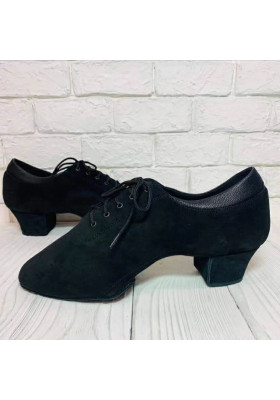
Galex - Black Nubuck - Heel 4cm
$212.50US
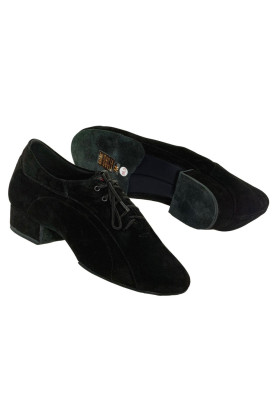
Galex - Black Nubuck - Heel 2cm
$212.50US

IDS - Contra - Black Calf
$227.80US

Sale
Performance Latin Dress 03
$1,700.00US $1,274.15US
Galex - American Smooth
$212.50US

Performance Ballroom Dress 02
$1,530.00US

Sale
Performance Ballroom Dress 08
$2,975.00US $1,954.15US
Galex - Tango Dance Shoes
$276.25US