


- 24 September, 2026
- 12
- 0
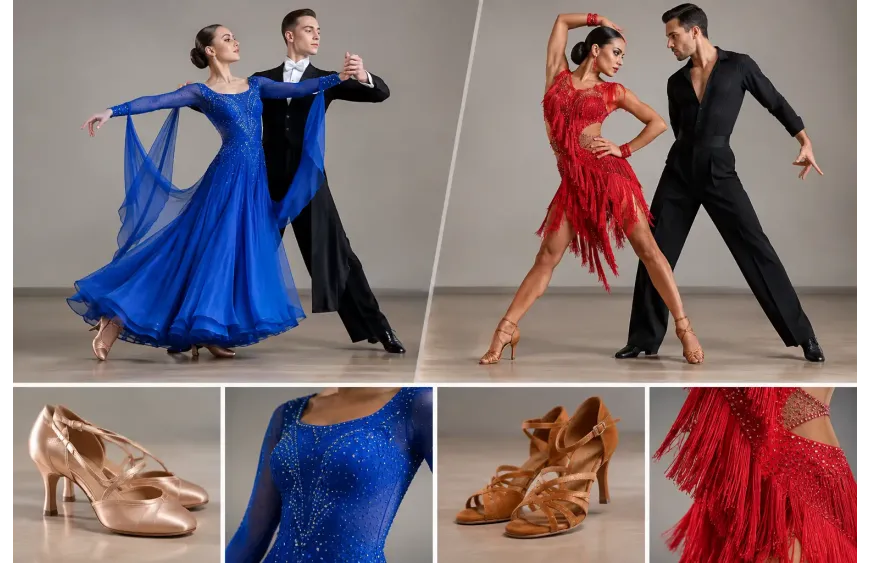
A costume that feels perfect in cha-cha can become a distraction the moment you take a long traveling step in waltz. That is the practical difference behind ballroom versus Latin costumes: each style is built to support a distinct dance character, movement pattern, and visual line. The right choice is not simply about sparkle or personal taste. It affects how freely you move, how clearly a judge sees your dancing, and how confident you feel on the floor.
Ballroom Versus Latin Costumes: The Core Difference
Ballroom, often called Standard or Smooth depending on the category, is known for traveling movement, partnered frame, sweeping turns, and a continuous sense of glide. Costumes are designed to extend those lines. A ballroom gown uses volume, float, and movement through the skirt, while men's ballroom attire is traditionally formal and clean-lined.
Latin and rhythm-based dances are more grounded, rhythmic, and body-focused. Cha-cha, rumba, samba, jive, salsa, and bachata call for visible hip action, fast legwork, and sharp changes of direction. Latin costumes generally fit closer to the body, reveal more of the leg, and use fringe, stones, mesh, cutouts, or draping to emphasize motion.
Neither category is automatically more comfortable or more dramatic. The best costume depends on the dance, the dancer's level, the event requirements, and whether you are practicing, performing, social dancing, or competing.
Ballroom Costumes Create Length and Flow
For ladies, ballroom gowns are usually the clearest visual example of Standard styling. They commonly feature a fitted bodice with a full skirt that moves around the legs without restricting long steps. Chiffon floats, layered skirts, feathers, rhinestones, and soft draped sleeves may be used to create a larger visual shape during turns.
That movement has a purpose. In waltz, foxtrot, quickstep, tango, and Viennese waltz, dancers travel around the floor in a closed hold. A skirt that opens beautifully during rotation helps reinforce the feeling of flight and continuity. The costume should complement the couple's movement without hiding foot placement or catching on a partner.
Fit remains essential. A ballroom dress should be secure through the bust, waist, and shoulders, particularly when it includes floating panels or wrist attachments. The skirt needs enough room for a full stride, but too much bulk can feel heavy and make quick footwork harder. Taller dancers may prefer a longer visual line, while a petite dancer may benefit from thoughtful waist placement and skirt proportions rather than simply adding more fabric.
For men, ballroom attire is typically formal: trousers with a clean silhouette, a fitted shirt or body shirt, and often a vest, tail suit, or formal jacket depending on the level and division. The goal is a polished frame that supports the partnership's overall presentation. Clothing should allow full shoulder mobility, secure posture, and comfortable rotation without pulling across the back.
Ballroom fabric and details
Lightweight fabrics are especially valuable in ballroom because gowns need to move without becoming exhausting over several rounds. Chiffon, stretch mesh, jersey, and carefully placed satin can create visual impact while keeping the garment manageable. Embellishment should be balanced. Heavy stoning around the bodice may work well, but excessive weight on the skirt can reduce its flow.
For practice, a full competition gown is rarely necessary. A ballroom practice skirt paired with a fitted top, bodysuit, or practice dress gives dancers the useful feedback of skirt movement without the extra care required for formal costume wear.
Latin Costumes Highlight Rhythm and Body Action
Latin costumes are built around a different visual language. Rather than creating a wide, floating silhouette, they draw attention to the dancer's lines, timing, and dynamic movement. Dresses may be short or asymmetrical, with open backs, side slits, fringe, ruffles, or strategically placed stones.
Fringe is popular because it makes timing visible. During a rumba walk, cha-cha lock step, or samba action, fringe responds a fraction of a second after the body moves. That extra motion can make rhythmic action look more pronounced. The same idea applies to beadwork, tassels, and layered ruffles, although every detail should be securely attached and tested before an event.
A close fit does not mean a restrictive fit. A Latin dress must allow deep knee bends, hip action, arm styling, spins, and quick directional changes. Stretch fabrics, power mesh, and secure bodysuit construction are often more useful than a costume that looks impressive on a hanger but shifts while dancing.
Men's Latin clothing is generally more fitted and expressive than ballroom attire. A shaped Latin shirt, fitted pants, and a body-conscious silhouette help show posture and movement. Shirts may include stretch panels, mesh, decorative trims, or a more open neckline, depending on the dance and event. The key is controlled fit: fabric should not billow during turns, but it also should not restrict the rib cage, shoulders, or hips.
Latin costume details need a movement test
Before wearing a Latin costume for a showcase or competition, test it in real dance positions. Raise both arms, perform a full turn, take a deep lunge, sit into a rumba action, and practice the fastest sequence in your routine. Check whether straps slide, fringe tangles, stones rub the arms, or a slit opens farther than expected.
This test matters for every dancer, including children and youth competitors. A secure, age-appropriate costume helps young dancers focus on technique rather than adjusting their clothing. Juvenile competition dresses and youth dancewear may also need to follow more specific design rules, so confirm the current requirements for the event before adding crystals, sheer sections, or elaborate trims.
Competition Rules Can Change the Right Choice
DanceSport costume rules may vary by organization, age category, level, and event. A dress permitted for an adult open competition may not be appropriate for a newcomer, youth, or juvenile division. Rules can cover hem length, fabric transparency, embellishment, exposed areas, and whether a costume must meet a particular level of formality.
This is where dancers should avoid assuming that a beautiful costume is automatically competition-ready. Ask for the event's current dress regulations early, especially when ordering a new garment or making alterations. It is much easier to choose the right base dress than to remove trims or rebuild a bodice just before competition day.
Social dancers have more flexibility. For a ballroom social, a comfortable skirt or dress with dance shorts underneath may be ideal. For a Latin night, a fitted top and dance pants, a body suit with a skirt, or a simple fringe dress can look appropriate without requiring full competition styling. The goal is to feel polished and free to move, not overdressed for the venue.
Shoes Complete the Costume Decision
Costume and shoe choices should work together. Ballroom shoes often have a more stable, covered design for smooth travel and a refined formal look. Latin shoes are usually lighter and more open, making pointed feet, ankle action, and leg lines easier to see. Heel height should match your experience, balance, and dance needs, not just the look of the costume.
A flowing ballroom gown paired with a shoe that feels unstable can affect confidence in turns. Likewise, a short Latin dress with a shoe that does not support your foot can make fast choreography feel uncertain. If you are buying your first proper pair, fitting matters as much as style. The shoe should hold the foot securely while allowing the toes and arch to articulate naturally.
Choosing What Works for You
Start with the dance category, then consider how and where you will wear the costume. A competition gown, a Latin showcase dress, a practice skirt, and a social-dance outfit solve different problems. Your body shape, comfort preferences, costume budget, and care routine matter too. Feathers, stones, and delicate mesh can be striking, but they require more careful packing, cleaning, and storage than a simple practice garment.
At Dancewear Champions, dancers can find ballroom and Latin options for women, men, and youth, along with practice clothing, shoes, and accessories that support the complete look. When you are unsure, bring the practical questions: Which dances are you doing? How much leg movement do you need? Are there costume rules? What feels secure when you turn?
The best costume is the one you stop thinking about once the music begins. It should move with your technique, suit the character of the dance, and leave you free to focus on your partner, your timing, and the joy of performing.
Tags ballroom versus Latin costumes, ballroom costumes, Latin costumes, dance ballroom Latin costumes
Related Products

Performance Ballroom Dress 04
$1,530.00US

Sale
Performance Latin Dress 03
$1,700.00US $1,274.15US

Performance Ballroom Dress 06
$1,274.15US

Sale
Performance Ballroom Dress 08
$2,975.00US $1,954.15US

Sale
Performance Latin Dress 12
$1,360.00US $679.99US
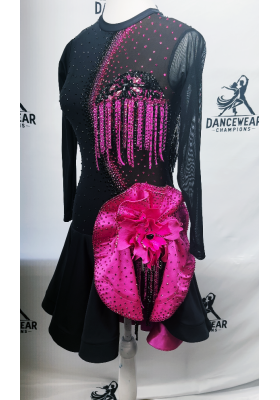
Performance Latin Dress 14
$1,530.00US
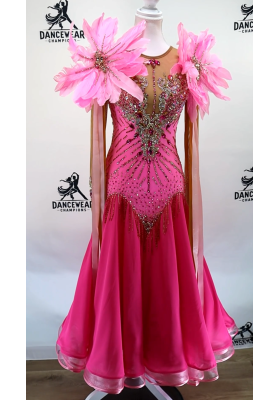
Sale
Performance Ballroom Dress 09
$1,700.00US $1,274.15US
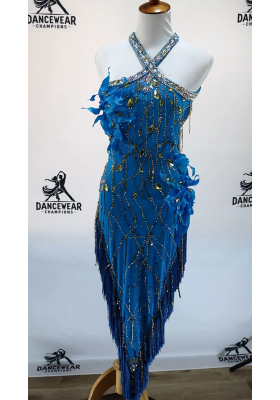
Sale
Performance Latin Dress 16
$1,275.00US $680.00US