


- 15 August, 2026
- 214
- 0
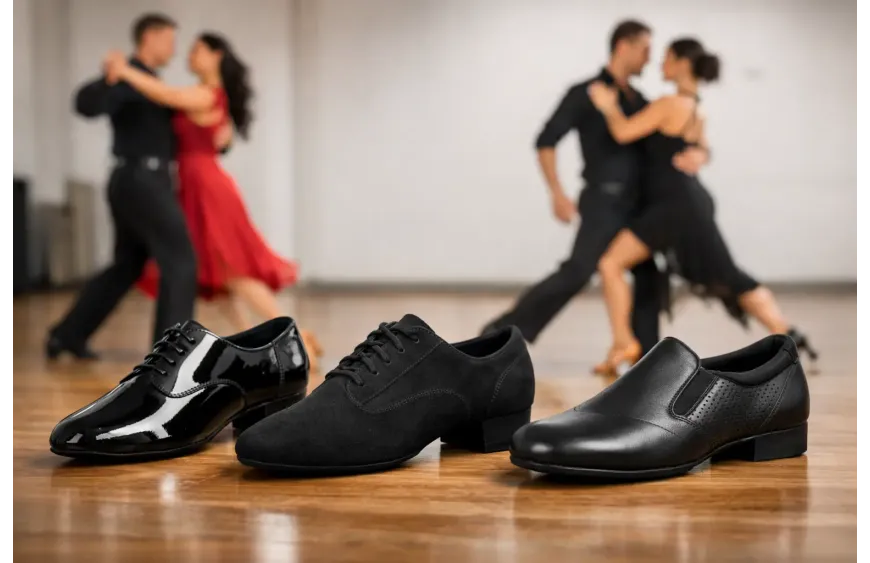
A pair of men dance shoes can change how a dancer feels within the first few counts. The right pair lets you turn without fighting the floor, settle your weight cleanly, and move through a lesson or social with far less fatigue. The wrong pair can grip too much, slide unpredictably, pinch across the toes, or make even simple technique feel awkward.
For men who are new to dance, the choice often begins with one question: ballroom or Latin? That is a useful starting point, but it is not the whole answer. Your shoe should also suit where you dance, how often you practice, whether you teach or compete, and the shape of your foot.
Start With the Dance Style
A dance shoe is equipment, not simply formal footwear. Its sole, heel, flexibility, and upper are designed to support a particular kind of movement. Choosing by appearance alone can leave you with a handsome shoe that works against your technique.
Ballroom and Standard Shoes
Ballroom, International Standard, and American Smooth dancers generally need a clean, classic shoe with a low heel, secure closed upper, and suede sole. These shoes support controlled heel leads, long traveling steps, and stable posture in dances such as waltz, foxtrot, tango, quickstep, and Viennese waltz.
A traditional black leather ballroom shoe is often the most versatile first purchase for a dancer attending classes, socials, or showcases. Leather can gradually shape to the foot, while a lace-up closure allows a precise fit through the instep. If you dance Smooth, a ballroom-style shoe is still a practical foundation, particularly when you need to move comfortably through both closed and open work.
Latin, Salsa, and Bachata Shoes
Latin shoes are usually lighter and more flexible than ballroom shoes. They are made for a quicker transfer of weight, a more articulated foot, and sharper action in cha-cha, rumba, samba, jive, salsa, bachata, and nightclub styles.
Many male Latin dancers prefer a lace-up shoe with a lower-profile upper and a flexible suede sole. The shoe should feel connected to the foot without squeezing it. A loose shoe makes precise foot placement difficult, while an overly stiff shoe can limit the ball-of-foot action that Latin technique requires.
For social salsa and bachata, your exact needs depend on the venue. A proper suede-soled dance shoe is excellent on a suitable wood dance floor. If you regularly dance in locations with rough surfaces, outdoor areas, or floors that may be damp, a durable practice or social shoe with an appropriate sole may be the wiser choice. Suede is designed for dance floors, not pavement.
Why the Sole Matters So Much
The sole is where a dance shoe earns its place. Most ballroom and Latin shoes use suede because it offers controlled slip and grip. It allows turns and pivots without the abrupt stopping that can strain knees and ankles when a rubber sole catches.
A suede sole does require care. It can become smooth or dirty over time, especially on dusty floors. Brushing the sole restores texture and helps maintain traction. Keep the shoes in a bag when traveling, and avoid wearing them outside the studio or venue whenever possible.
Some men need a shoe that can handle more varied use. Practice shoes and certain social styles may offer a split sole, a more cushioned construction, or a sole built for multiple indoor surfaces. These can be especially helpful for instructors, beginners spending long hours in class, and dancers who want comfort during repetitive drills. The trade-off is that a more casual practice design may not offer the polished line or exact response preferred for a formal competition.
How Men Dance Shoes Should Fit
A dance shoe should feel secure immediately, but it should not hurt. Expect a close fit through the heel and midfoot, with enough room for toes to lie naturally. Your heel should not lift significantly when you walk, rise, or take a backward step. Excess movement inside the shoe creates friction and reduces control.
Do not assume your usual street-shoe size will automatically be correct. Dance shoe sizing varies by brand, last, leather type, and style. Some shoes are built narrower through the forefoot, while others suit a fuller foot or higher instep. A leather upper may soften with wear, but it should not be purchased painfully tight in the hope that it will stretch into comfort.
Try dance shoes at the time of day when your feet are most likely to be slightly fuller. Wear the socks you expect to dance in, preferably a thin pair that does not bunch inside the shoe. Walk, rise onto the balls of your feet, and make a gentle turning action. Notice whether the heel stays anchored and whether the laces or upper create pressure across the top of the foot.
If you are fitting shoes in person, bring clarity about the dances you do and the floors you use. That information is often more useful than saying you need a shoe for “everything.” A dancer who takes weekly ballroom lessons has different needs from a salsa social dancer, a competition student, or an instructor who stands for hours.
Heel Height and Stability
Most men’s ballroom and social dance shoes have a modest heel. That heel is functional: it supports posture, creates a clean line, and helps the dancer use the foot correctly during heel leads and weight transfers. It should feel stable, centered, and natural rather than elevated or wobbly.
For a first pair, a standard low ballroom heel is usually the safest choice. Dancers who compete in Latin may choose a slightly higher Cuban heel for a more traditional look and a different visual line. That choice should be guided by comfort and technique, not by the assumption that a higher heel automatically improves performance.
A stable heel is particularly valuable for beginners. If you feel as though you are balancing on the edge of the shoe, pause before moving to a more specialized style. Good dance shoes should encourage confident movement, not make you cautious every time you step back or pivot.
Choose the Upper for Comfort and Purpose
Leather remains a popular choice because it is durable, polished, and able to adapt gradually to the foot. It is a dependable option for ballroom, social dancing, performances, and many practice situations. Patent leather offers a dressier appearance and can look striking with formalwear, but it generally has less give than soft leather.
Satin, mesh, and other lightweight materials may appear in specialty dance shoes, particularly for Latin or performance use. They can offer flexibility and visual appeal, but they may not be the best all-purpose choice for a dancer who needs one shoe to cover several weekly classes and socials.
Color matters less than function for a first pair. Black is the easiest option to wear with dance pants, practice clothing, and formal performance attire. Once fit and technique are established, dancers can add specialty finishes or styles that better match their competition wardrobe or stage look.
One Pair or More Than One?
Many dancers begin with one versatile pair and add shoes as their schedule grows. A black leather ballroom or social shoe can cover a great deal of ground for classes, parties, and beginner showcases. As you become more focused on Latin, Standard, teaching, or competition, a dedicated shoe becomes worthwhile.
It is sensible to own separate pairs when your dance life includes contrasting conditions. Keep suede-soled shoes for clean indoor floors, and use a more durable option for travel, practice spaces, or venues where the floor is uncertain. Serious dancers may also keep a backup pair for events, particularly when a competition weekend or performance leaves little room for a broken lace or unexpected sole issue.
Care That Extends the Life of Your Shoes
Dance shoes last longer when they are treated as dance-only footwear. Carry them to the studio, change into them there, and let them air out after use. A shoe bag protects the uppers from scuffs and keeps sole dust away from clothing.
Brush suede soles regularly with a proper shoe brush. Wipe leather uppers with a soft cloth, and use suitable leather care sparingly to keep them looking presentable. Check laces, heel caps, and sole edges before a performance or event rather than discovering a problem on the dance floor.
The best shoe is the one that lets you stop thinking about your feet and start listening to the music. Whether you are taking your first ballroom class, leading a salsa social, or preparing for a showcase, choose a pair that fits your discipline, your floor, and your body - then give yourself enough practice time to make it feel like part of your dancing.
Tags men dance shoes, Men Dance Shoes for Ballroom, Men Dance Shoes for Latin, Men Dance Shoes for Social dance,
Related Products
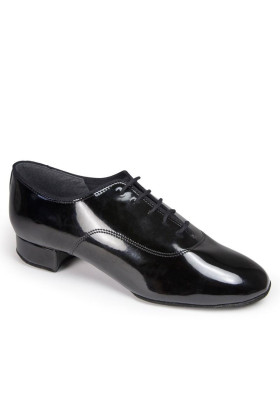
IDS - Contra Pro - Black Patent - 1 inch
$227.80US
Sale
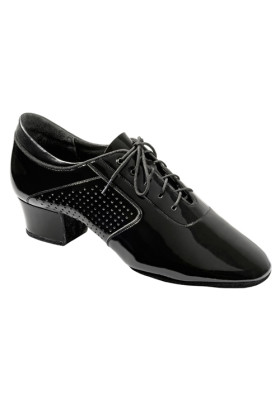
Galex - Flexi - Latin - Black Patent - Heel 4cm
$191.25US $157.25US
Sale
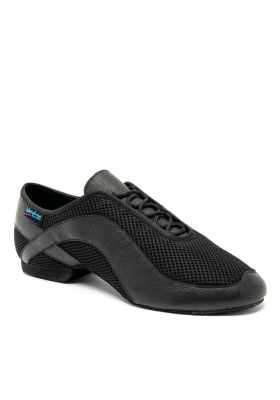
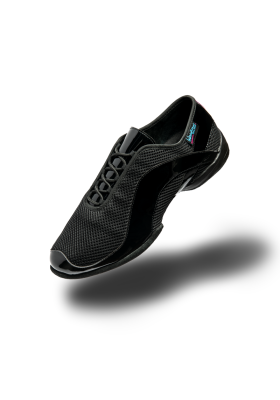
IDS - JAZZ - AIRMESH/BLACK
$168.30US $142.80US
Sale
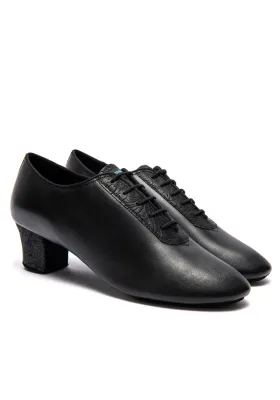
IDS - TEMPO - AIRMESH/BLACK PATENT
$194.65US $170.00US
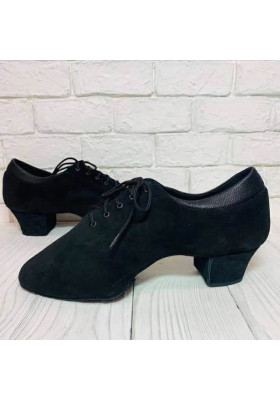
Galex - Black Nubuck - Heel 4cm
$212.50US
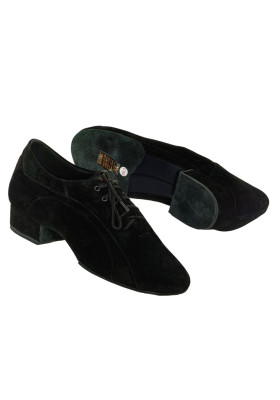
Galex - Black Nubuck - Heel 2cm
$212.50US
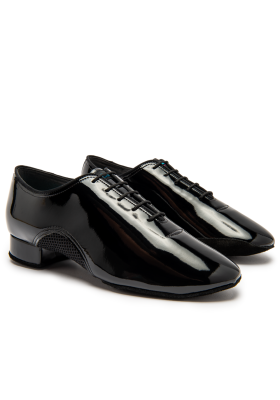
IDS - ROMEO - BLACK PATENT - 1 inch
$227.80US

Galex - Practica - Heel 2cm
$212.50US