


- 15 October, 2026
- 10
- 0
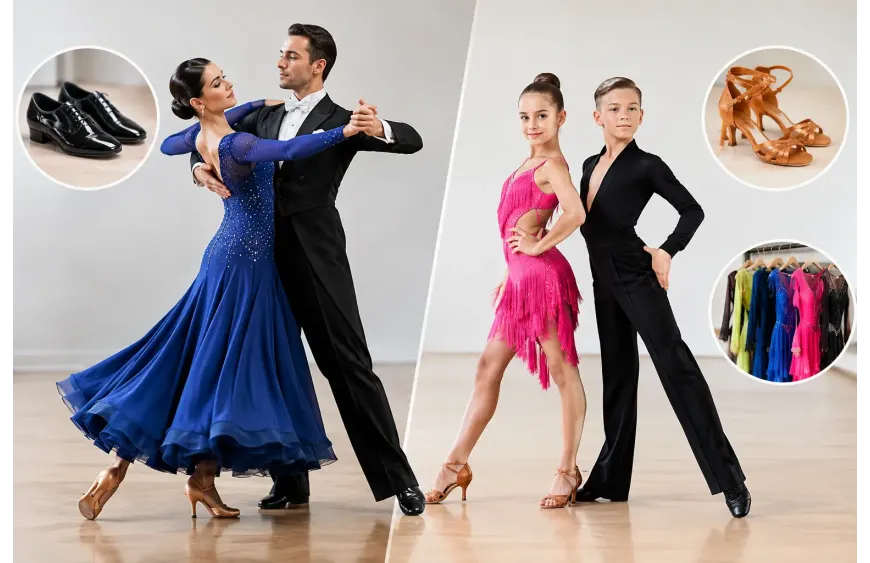
A rhinestone-heavy Latin dress may feel thrilling to an adult competitor, while a young dancer may need something far more controlled, durable, and age-appropriate. Adult versus youth DanceSport wear is not simply a matter of ordering a smaller size. The right choice affects freedom of movement, confidence, competition compliance, comfort through long events, and how easily a dancer can focus on partnership and technique.
For parents, youth dancers, adult beginners, and experienced competitors, the best wardrobe starts with the dance being performed and the setting. Practice, a showcase, a social, and a sanctioned competition can call for very different clothing and shoes.
Adult Versus Youth DanceSport Wear: What Changes?
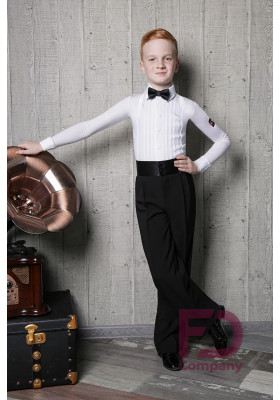
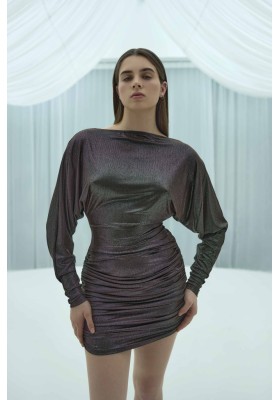
The most visible difference is presentation. Adult DanceSport attire can be more expressive, fitted, and detailed. Ladies may wear Latin dresses with fringe, stones, mesh, open backs, or dramatic skirt movement. Standard and smooth dancers may choose long gowns that create a graceful line across the floor. Men often move from simple practice trousers and fitted tops to formal shirts, vests, tail suits, or competition-specific Latin looks.
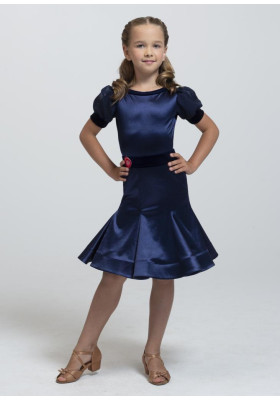
Youth DanceSport wear is typically designed around polish without adult styling. A juvenile or junior competition dress may use clean lines, secure construction, and approved design details that keep the costume suitable for the dancer's age category. Dresses may still have sparkle, float, movement, and personality, but the overall effect should support a young dancer's confidence rather than make them look overdressed.
Competition rules matter here. Requirements can vary by organization, country, age division, and event, so a garment that is suitable for one showcase may not be permitted at another competition. Before purchasing a youth competition dress or a formal adult costume, review the event dress code carefully. When in doubt, a simpler, well-fitted piece is often the safer choice.
Fit is technical, not just cosmetic
Dancewear should follow the body without restricting it. Adult dancers may prefer a more contoured fit, especially in Latin, where posture, hip action, and leg lines are part of the visual result. The correct fit is still secure rather than tight. A bodysuit that pulls at the shoulders, trousers that limit a lunge, or a skirt that twists during turns will distract from dancing.
For young dancers, fit needs extra attention because bodies change quickly. A little growing room can be useful in practice wear, but too much extra fabric can interfere with lines, catch on a partner's hand, or make a child feel untidy. Look for secure straps, comfortable waistbands, reliable closures, and fabrics that recover their shape after movement. If a youth garment includes decorative details, check that they are firmly attached and will not scratch, snag, or distract.
Choose Wear by Dance and Occasion
A dancer does not need a competition costume for every class. In fact, most dancers get better use from a small, purposeful rotation of practice clothing, dance shoes, and event-ready pieces.
For ballroom, standard, and American smooth practice, adults often do well with dance pants or skirts paired with fitted tops, bodysuits, or teaching and practice dresses. These options make it easier for an instructor or partner to see posture and body placement. Youth dancers can use a coordinated skirt and top, a simple dress, dance pants, or a comfortable leotard-style base depending on class expectations.
Latin, salsa, and bachata practice wear needs to allow more dynamic action. Stretch fabrics, secure necklines, and skirts or shorts that stay in place are practical choices. Adults can choose bolder cuts if they feel comfortable, but a garment should never need constant adjustment. For children and teens, modest coverage and dependable support are especially useful during spins, fast footwork, and floor work.
Competition wear serves a different purpose. It must hold its shape under bright lights, photograph well, and move with the dancer. An adult Latin dress may use fringe to emphasize rhythm or stones to catch the light. A ballroom gown may use floats or layered skirts to extend movement. Youth competition garments should be selected with both the rules and the dancer's comfort in mind. The goal is a neat, confident presentation that lets adjudicators see the dancing clearly.
Shoes Are Where Age Differences Matter Most
Apparel gets attention first, but shoes can change a dancer's experience immediately. Adult DanceSport shoes are selected by discipline, heel height, sole, foot shape, support needs, and personal skill level. A new social dancer may need a lower, more stable heel than an experienced Latin competitor. Standard and smooth shoes have different styling and performance needs than open-toe Latin sandals.
Youth shoes should prioritize a secure fit and controlled movement. A shoe that is too large can slide at the heel, reduce balance, and make technique harder to learn. Buying extra-large shoes for growth usually creates more problems than it solves. A properly fitted pair should feel snug but not painful, with enough room for toes to lie naturally and closures that keep the foot secure.
Heel height is another practical difference. Younger dancers generally need lower, age-appropriate heels, while adult dancers have more options based on discipline and experience. The best choice depends on what the dancer can control comfortably, not on what looks most advanced. Proper dance shoes should support clean weight transfer, turns, and connection to the floor.
Plan for long competition days
A competition day can mean early arrival, multiple heats, waiting between rounds, quick costume changes, and hours on the feet. Adults may benefit from bringing a practice outfit, a performance outfit, an extra top or shirt, shoe brushes, heel protectors where appropriate, and basic hair accessories. Youth dancers also need layers for warming up and resting, plus a clear way to keep shoes, costume pieces, and hair items together.
For children, comfort between dances is often as important as the costume itself. A warm-up jacket, dance pants, or cover-up helps protect a performance outfit and keeps muscles warm. Avoid having young dancers sit around for long periods in delicate costumes if they can change into something more comfortable. It protects the garment and reduces last-minute stress.
Fabric, Construction, and Care
Adult and youth DanceSport garments both need fabrics that stretch, breathe, and recover. The difference is in how much wear the garment must handle and how it is used. An adult competitor may own a specialized costume for major events and simpler pieces for weekly training. A youth dancer may outgrow an outfit before it wears out, so versatile practice clothing often delivers the best value and flexibility.
Check seams, elastic, straps, zippers, and embellishments before an event. A beautiful costume is only useful if it stays secure through a full routine. Wash care matters too. Many performance pieces need gentle handling, especially those with stones, fringe, mesh, floats, or delicate trims. Let shoes air out after dancing, brush suede soles only when needed, and store costumes flat or hung carefully according to their construction.
Buy for the Dancer in Front of You
It is easy to buy for a future version of a dancer: the child who may compete next year, the adult who hopes to wear a higher heel soon, or the performer who wants a dramatic costume before they feel comfortable in it. A better approach is to buy for the current level, current event, and current fit.
For a first youth competition, a rule-appropriate dress or shirt-and-trouser combination with well-fitted shoes may be all that is needed. For an adult returning to dance after time away, flattering practice wear and supportive shoes can restore confidence faster than an elaborate costume. As training, goals, and comfort change, the wardrobe can grow with the dancer.
At Dancewear Champions, personalized fitting can be especially helpful for Toronto and GTA families comparing youth shoes, competition pieces, and practice essentials, as well as adults choosing footwear for ballroom, Latin, social dancing, or teaching. The right garment should feel like part of the preparation, not another thing to worry about. When clothing fits the dancer, the discipline, and the moment, attention can return to the music, the partnership, and the joy of moving well.
Tags performance wear, performance dance dress, practice wear, practice dance dress, showcases dance wear, showcases dance dress,
Related Products
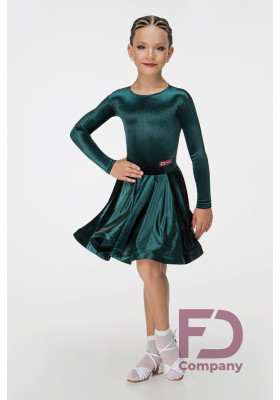
Girl's Competition Dress 10
$161.50US
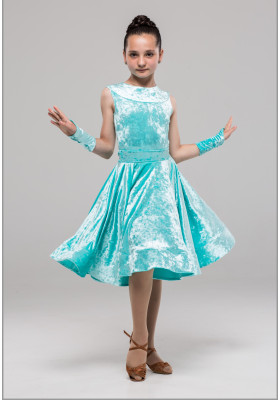
Girl's Competition Dress 04
$170.00US
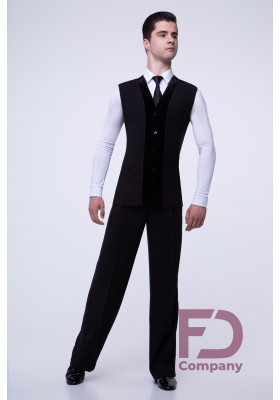
Men Ballroom Vest 03
$187.00US
Sale
Girl's Competition Dress 34
$170.00US $127.50US
Boys Latin / Ballroom Pants 01
$127.50US
Latin Dress 60
$339.15US

Ballroom Dress 12
$255.00US